The National Health Surveillance Agency (Anvisa) issued an alert stating that both vinegar and detergent lack proven antimicrobial efficacy for disinfecting fruits, vegetables, and greens. Furthermore, using these items can alter the natural flavor of the food.
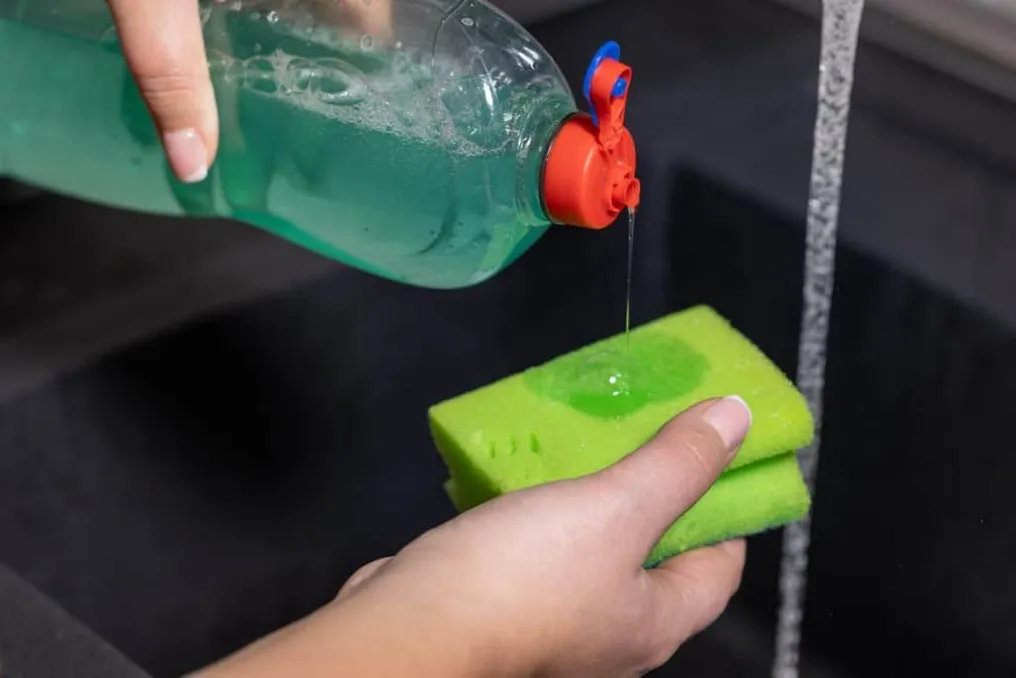
In the specific case of detergent, there is a risk of leaving unwanted residues, particularly on foods with porous surfaces. For this reason, the agency advises the use of specific and duly regulated products for disinfection, especially when dealing with raw food.
Fruits, vegetables, and greens can be contaminated with microorganisms from their production sites. Although washing under running water can remove visible impurities, such as soil and insects, it does not replace the need for disinfection to neutralize these agents.
It is important to note that vinegar and detergent, even when used in home recipes, should not be compared. One is classified as food, while the other is a cleaning item not designed to be applied directly to food.
Disinfectants approved by Anvisa must show evidence of combating microorganisms such as the bacterium Escherichia coli, which is linked to gastroenteritis, diarrhea, and infections, and also Enterococcus faecium, which also causes infections.
Anvisa suggests a hygiene protocol that starts with removing damaged parts and ends with drying the food. However, Professor Nathalia Cirone Silva, from the Faculty of Food Engineering at Unicamp, emphasizes that keeping fruits and vegetables moist after sanitization stimulates the multiplication of bacteria and other microorganisms.
Other common mistakes include not washing hands before handling food and using containers that have not been sanitized. The professor adds that the greatest risks are present in raw or pre-cut fruits and vegetables, as they lose their natural protection and increase the area of contact for contamination.
Anvisa's Collegiate Board Resolution (RDC) 695/2022 defines the standards for horticultural disinfectants and allows the use of three active ingredients. However, the mere presence of one of these components does not authorize the use of any product directly on food.
The consumer is responsible for confirming whether the disinfectant is registered with Anvisa and if the label clearly specifies application on vegetables, greens, and fruits. This verification can be done free of charge through the official Anvisa system, and it is essential to follow the manufacturer's instructions regarding quantity and contact time.
For professionals working in food commerce and handling, the agency offers a good practices guide containing guidelines on hygiene during preparation, storage, and sale of products.