9.62 million people are studying in educational institutions in Uzbekistan
Read more
UzDaily
uzdaily.uz

9.62 million people are studying in educational institutions in Uzbekistan

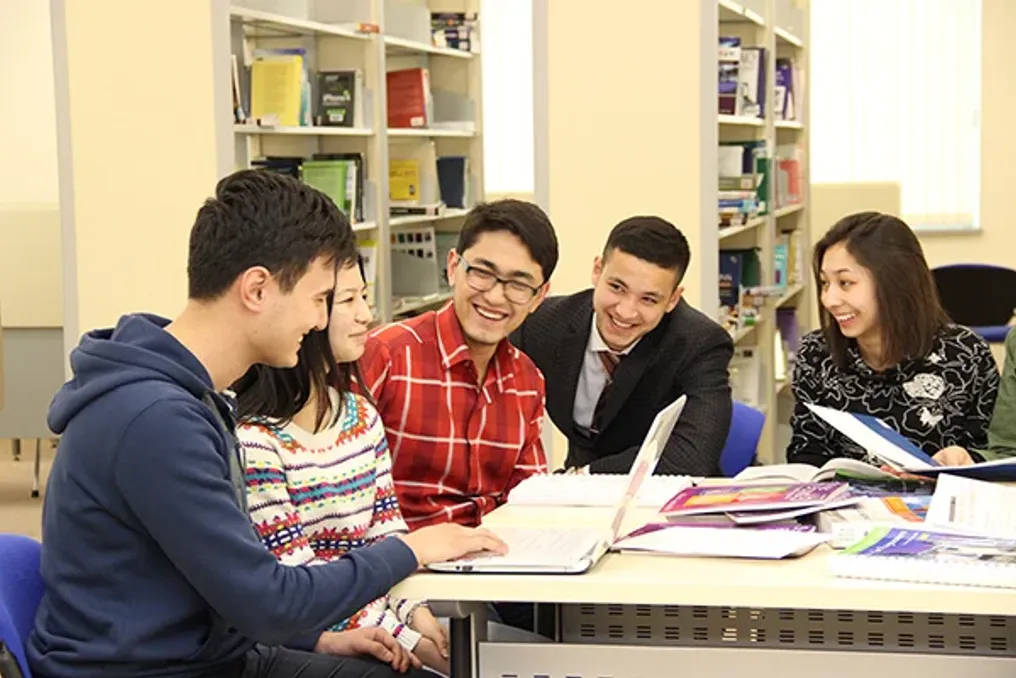
According to data presented by the National Statistical Committee at a press conference, 9.62 million people aged seven and over are registered in educational institutions across Uzbekistan.

Among students, men account for 4.95 million people, which corresponds to 51.5%, while women number 4.67 million, or 48.5% of the total.

Additionally, about 1.73 million people attend the country's higher education institutions. Among university students, women make up 49%.

Similar stories

In Uzbekistan, men outnumber women in the number of students in educational institutions
Read more
podrobno.uz

In Uzbekistan, men outnumber women in the number of students in educational institutions

According to census data, a total of 9.6 million people are studying in educational organizations in Uzbekistan. Among these students, men account for 4.95 million people, while women number 4.66 million.

When considering the total number of residents of Uzbekistan aged seven and over who are receiving an education, men make up 51.5%, and women make up 48.5%.

Higher Education Situation

A smaller gender imbalance is observed in the field of higher education. Of the total number of university students, which amounts to 1.73 million people, women constitute 49%.

It was previously noted that 3.27 million people in the country have higher or postgraduate education, which corresponds to 12% of the entire population over 15 years old. Nevertheless, the majority of the population is limited to obtaining general secondary or specialized and vocational education.

Number of residents with higher and postgraduate education identified in Uzbekistan
Read more
podrobno.uz

Number of residents with higher and postgraduate education identified in Uzbekistan

A study was conducted in Uzbekistan to determine the proportion of the population with higher or postgraduate education. According to the results of the population census, 3.27 million citizens possess such qualifications, which accounts for 12% of the total population aged 15 and over.

It was found that most residents of the country have only a general secondary or specialized and vocational level of education. This data was presented at a press conference organized by the National Committee on Statistics.

Distribution of Education Levels

The published information shows that the largest share among the population over 15 years old belongs to people with a general secondary education—their number reaches 11.6 million, corresponding to 42.8% of the entire population in this age group. Additionally, 9.7 million people (35.8%) have specialized and vocational education.

Thus, for every thousand residents of Uzbekistan aged 15 and over, there are only 120 people who have received a higher or postgraduate degree. For illustration, comparing the categories, it can be noted that 358 people have specialized and vocational education, while 428 people have a general secondary education.

The categories presented in the report cover 90.6% of the population in the specified age range; the education level of the remaining 9.4% is not specified in the published materials.

International vocational education system is being implemented in 45 technical colleges of Uzbekistan
Read more
podrobno.uz

International vocational education system is being implemented in 45 technical colleges of Uzbekistan

The training program in 45 state technical colleges in Uzbekistan will be expanded to include international professional qualifications. It is planned that an additional 3.5 thousand students will join this program in the 2026/2027 academic year, bringing the total number of participants to 5 thousand.

The implementation of this program is carried out by the Agency for Vocational Education of Uzbekistan in cooperation with the British company Pearson. Initially, 1.5 thousand students began training under this system, and now the project will be scaled up to new educational institutions and additional fields of study.

The entire program will cover 79 different fields across six priority sectors. Students will be able to master specialties in areas such as construction, engineering, healthcare, tourism, hospitality business, social assistance, and information technology. Lessons will be conducted in Uzbek, Russian, and Karakalpak languages.

The educational process combines theoretical study of material with practical tasks simulating future professional activities. Upon completion of the training, students will receive a BTEC International Level 3 Extended Diploma, which, according to Pearson, is recognized in more than 70 countries.

The program includes colleges from Karakalpakstan, Tashkent, and all regions of the country. Among the mentioned institutions are Nukus City Technical College No. 1, Samarkand City Technical College No. 1, Chirchik City Technical College No. 1, Fergana City Technical College No. 4, Bukhara City Technical College No. 1, and Chilanzar District Technical College No. 1. Additionally, specialized medical educational institutions are included in the project.

To ensure the quality of education, over 380 vocational education teachers have been trained. Over the course of one week in Tashkent, they studied knowledge assessment methods, conducting practical classes, and pedagogical methodologies.

Participation in the project requires meeting several conditions: before the start of classes, each college must obtain approval from Pearson. This check includes assessing the existing qualifications of teachers, the availability of necessary educational materials, and quality control systems. Only after this can students be registered for the relevant educational courses.

The expansion of this project is part of the implementation of the 'Uzbekistan-2030' strategy for modernizing the vocational education system. In subsequent years, there are plans to increase the number of colleges and students involved in the program.

Previously, there was information about plans to transfer some vocational colleges to the management of large entrepreneurs for a period of 15 years. These institutions would be required to train personnel capable of starting work immediately after graduation, with an annual training target of at least 30 thousand people.

Popular