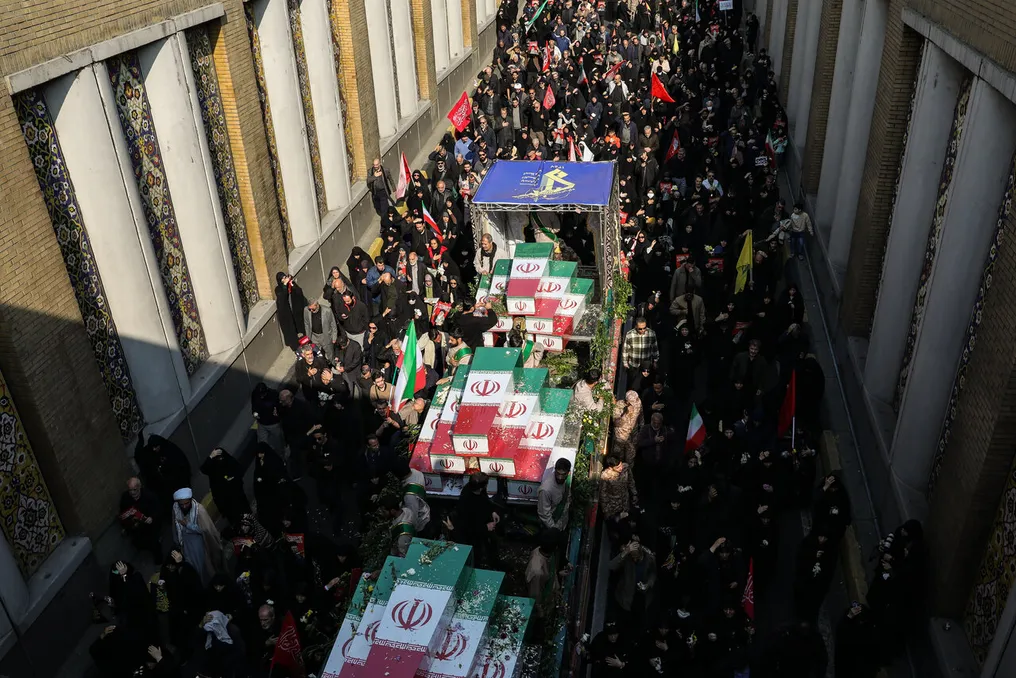
Funeral of 350 unnamed martyrs held in Tehran and other cities amid calls for revenge
Read more
Tehran Times
www.tehrantimes.com

Funeral of 350 unnamed martyrs held in Tehran and other cities amid calls for revenge

On Friday morning, processions were held in Tehran and across the country with the remains of 350 unnamed martyrs of the Eight-Year Holy Defense. These ceremonies coincided with the anniversary of the martyrdom of Hazrat Fatimah Zahra (SA) and Martyr's Day, marked by mass public participation.

The procession dedicated to 110 unnamed martyrs in the capital moved from the main entrance of Tehran University to Merajol Shohada. High-ranking military and government officials, as well as a large number of residents, participated. Simultaneously, funeral ceremonies were taking place in other cities with the remains of another 240 martyrs.

The martyrs were found in the operational zones of Fakke, Sharhani, Shahlamcheh, Majnun, and Mehran, located east of Dijle and Chilat. President Masoud Pezeshkian attended the ceremony in Tehran, where mourners greeted him with the chant: 'Our word is one: revenge, revenge.'

IRGC Commander Major General Ahmad Vahidi also visited the event. Speaking at the ceremony, he emphasized that the martyrs remain enduring and illuminating examples for the Iranian people, noting that the people of Iran have taken the martyrs as an example for years and follow their path.

Referring to the public demand for retribution for the blood of the martyred Leader of the Islamic Revolution, Vahidi stated: 'This request of the people will be satisfied.' He added that any hostile action or even the slightest aggression from the enemy would be met with terrible and painful blows, warning: 'The enemy must learn from the successive defeats it has suffered; otherwise, more serious lessons await.'

Brigadier General Mohammad Reza Nakdi, advisor to the IRGC Commander, told Defa Press on the sidelines of the procession in Tehran that the demand for revenge for the martyrdom of Ayatollah Seyyed Ali Khamenei reflects the general will of the people. Nakdi noted: 'The people love and continue to love their Leader and will accept nothing but revenge.'

He also stressed that this call is not new, mentioning that for the last 257 nights, people have been chanting it daily in squares of cities and villages across the country, and that this call will continue. 'This issue will not end without retribution for the murderers of the martyred Leader, and God willing, this retribution will be carried out,' he concluded.
Similar stories

Leader's comments on the book 'The Second Burial of Lady Death' presented
Read more
www.tehrantimes.com

Leader's comments on the book 'The Second Burial of Lady Death' presented

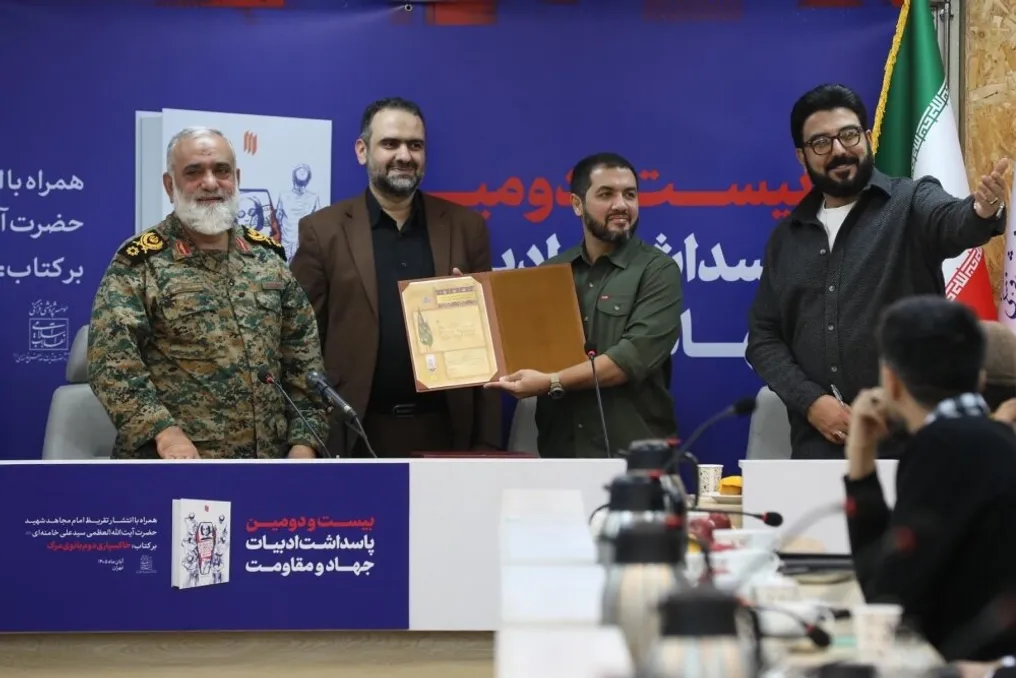
On Tuesday, the 22nd anniversary of the literature of jihad and resistance was held at the Sarcheshmeh Cultural Center. As part of this event, the Martyr Leader's comments on the book 'The Second Burial of Lady Death' were presented.

This book is a work of fiction that focuses on themes of war, identity, and intelligence battles. The novel unfolds in a modern setting with multi-layered narration, exploring the lives and stories of characters from the Resistance Front and intelligence services.

According to IBNA, the novel is aimed at teenagers and youth and examines regional events as well as the impact of war on different generations.

In the Martyr Leader's comments on the book, it is asserted that the work is written in a 'sweet and artistic style' and should be considered a new genre of military prose that should be promoted.

Nima Akbarkhani, the author of the novel, noted during the ceremony that taking on such a task was not easy, especially since the work was commissioned after the Martyr Leader recommended highlighting revolutionary literature in the defense sector. He added that this sense of responsibility was very heavy for him, and he hopes he managed the task.

Speaking about the writing process, Akbarkhani continued that his goal was to demonstrate Iran's development and progress in the defense sector through a different approach to storytelling, which involves certain risks both in form and narrative style.

Street theater artists pay tribute to students of Shajareh Tayebe School during the 20th Resistance Festival
Read more
www.tehrantimes.com

Street theater artists pay tribute to students of Shajareh Tayebe School during the 20th Resistance Festival

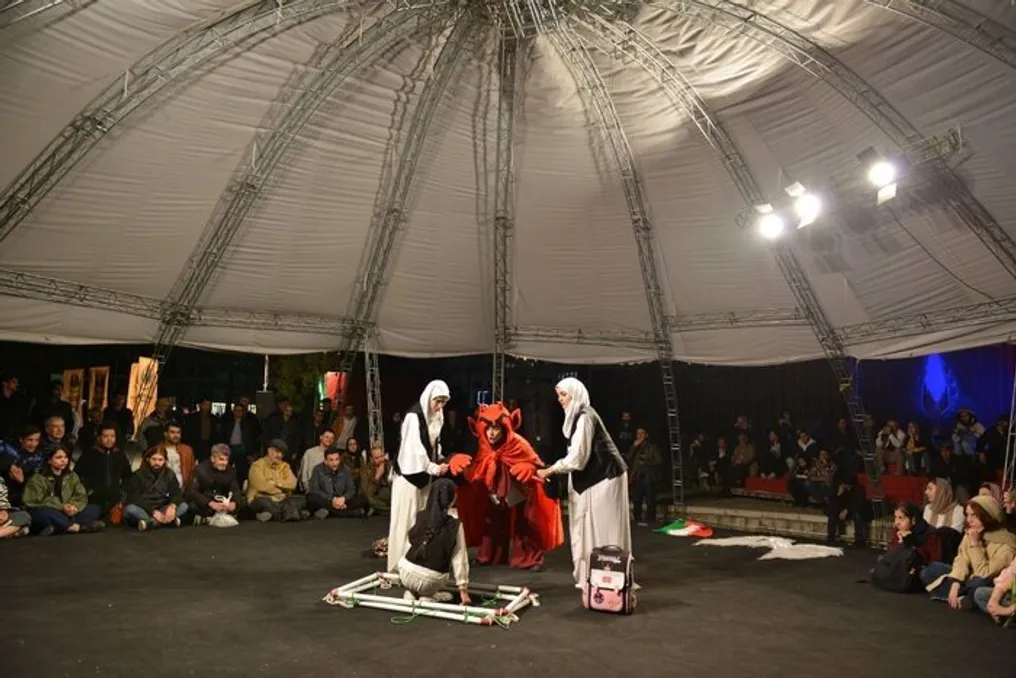
The first day of street theater performances by the 'Sardar-e Asmani' (Heavenly Commander) section at the 20th International Theater of Resistance Festival took place in the courtyard of the City Theater, on Enghelab Square and Vali-e-Asr Square in Tehran. Seven creative groups and numerous spectators participated in the event.

On this opening day, the artists expressed respect for the students and staff of Shajareh Tayebe School in Minab, who were killed in a US attack in February. According to the publication Mehr, the participants aimed to emphasize that the tragedy of the death of Iranian children at the hands of American-Zionist enemies will never be forgotten by the artistic community and the people of this land.

Through their creative approaches, the street theaters sought to highlight themes of martyrdom, resistance, and the resilience of Iranian children, women, and men, paying special attention to the events of the '12-day war' and the 'Ramadan war.' They also addressed current social events and political crises to connect with the audience.

The 20th International Theater of Resistance Festival is held under the slogan 'Iran, the eternal stage of resistance' and is curated by Mohammad Kazemtabar. It includes several areas: dramaturgy, stage theater, street theater, scientific and research activities, master classes, and an international section. The festival is held in Tehran and other cities in Iran.

The Theater of Resistance Festival has developed over two decades, becoming an event focused on themes such as Sacred Defense, the Islamic Revolution, and broader concepts of resistance. Organizers also strive to expand the scope of the festival beyond traditional theatrical productions, including master classes, research programs, and street performances.

The call for participation in the current edition covered a wide range of topics: from the experience of Sacred Defense and the lives of martyrs and fighters to issues concerning Palestine, Gaza, the role of women in resistance, and contemporary events. The festival's research section aims to stimulate academic and interdisciplinary discussions on theater of resistance and its social and cultural functions.

Popular