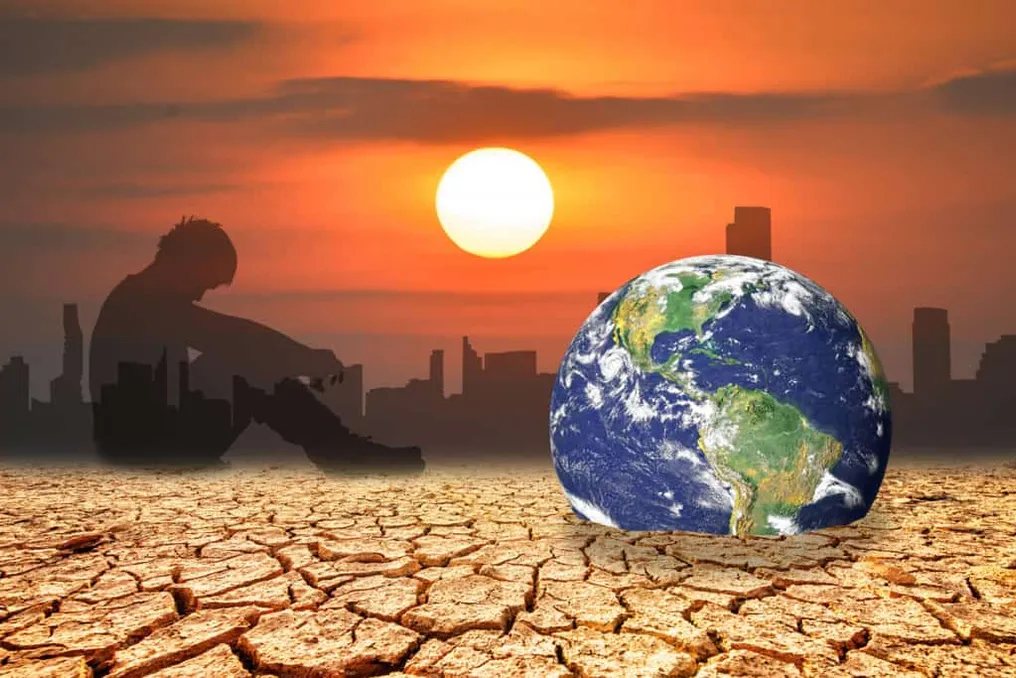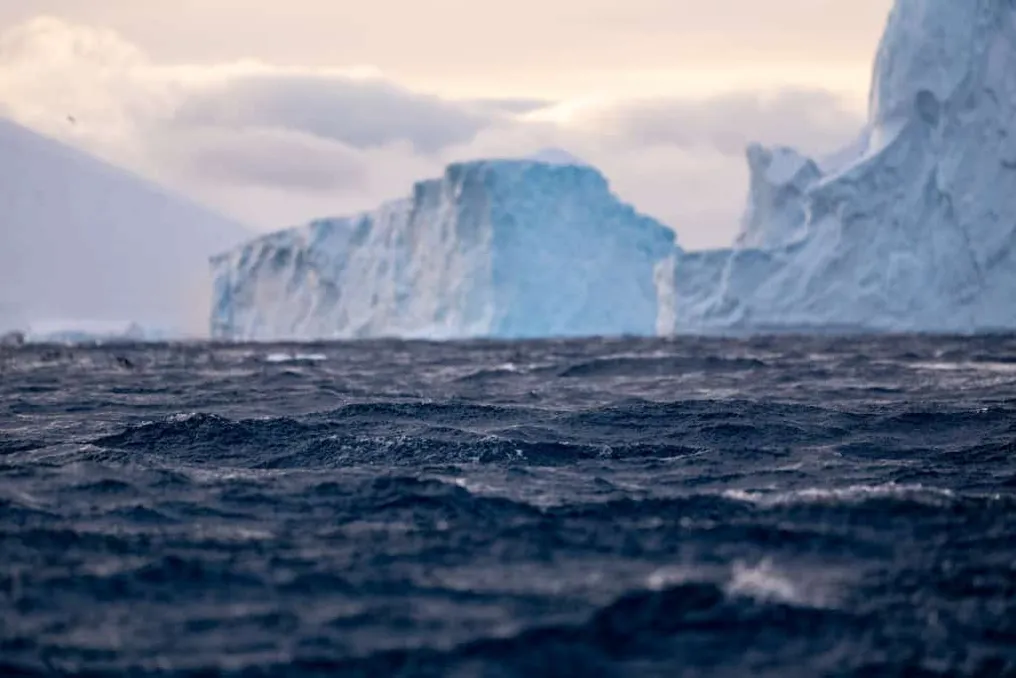
Global warming has caused sea ice, snow cover, and permanently frozen ground to exceed the limits considered safe for the stability of these areas. This conclusion is derived from a study published in the journal Science, which examined changes in the Earth's cryosphere over the last twelve thousand years.
The cryosphere encompasses all parts of the planet where water remains in a solid state, including glaciers, snow, sea ice, and frozen soils. According to the researchers, the limits established in the study correspond to the conditions under which these regions have maintained relative stability during this extensive period.
The research indicates that both Arctic and Antarctic sea ice, along with snow cover and permafrost extent, have already surpassed these limits. Permafrost refers to soil that remains frozen for long periods and acts as a reservoir for large amounts of carbon.
Although accumulated land ice has not yet reached the level defined by scientists, it is close to it. Researchers assess how likely this situation is to occur in the coming decades, given the influence of warming already integrated into the climate system.
According to Noström, reducing greenhouse gas emissions is presented as the most urgent action needed to safeguard frozen zones. The same researcher argues that the possibility of implementing more comprehensive interventions should not be discarded. Some proposals and tests have already been conducted to mitigate ice loss.
For example, in the Alps, scientists implemented glacier covering during the summer to reduce the thawing process. Other suggestions include injecting cold ocean water onto the surface or building barriers to help stabilize the ice layer of West Antarctica.
However, these alternatives can entail significant costs and do not guarantee effectiveness. Additionally, they do not replace the primary need to reduce the burning of fossil fuels, which is the main source of global warming.