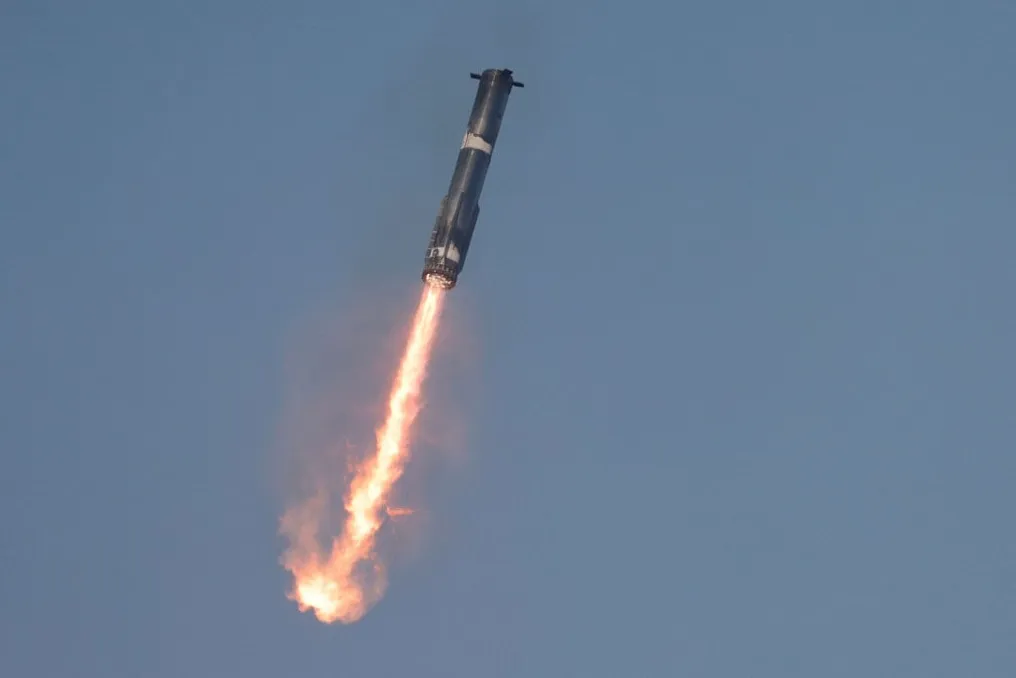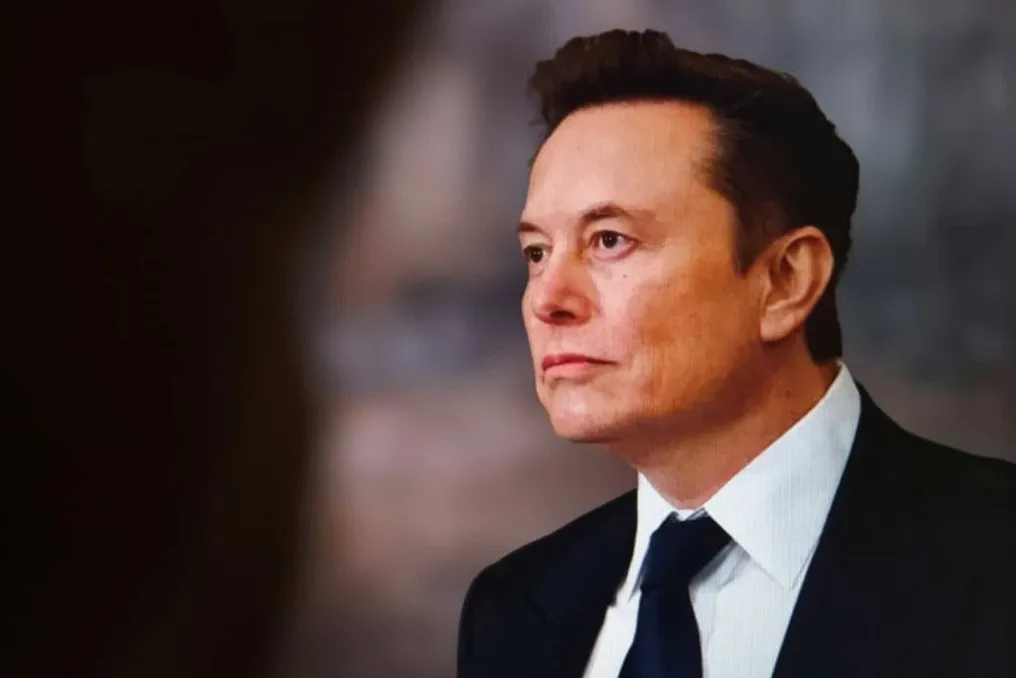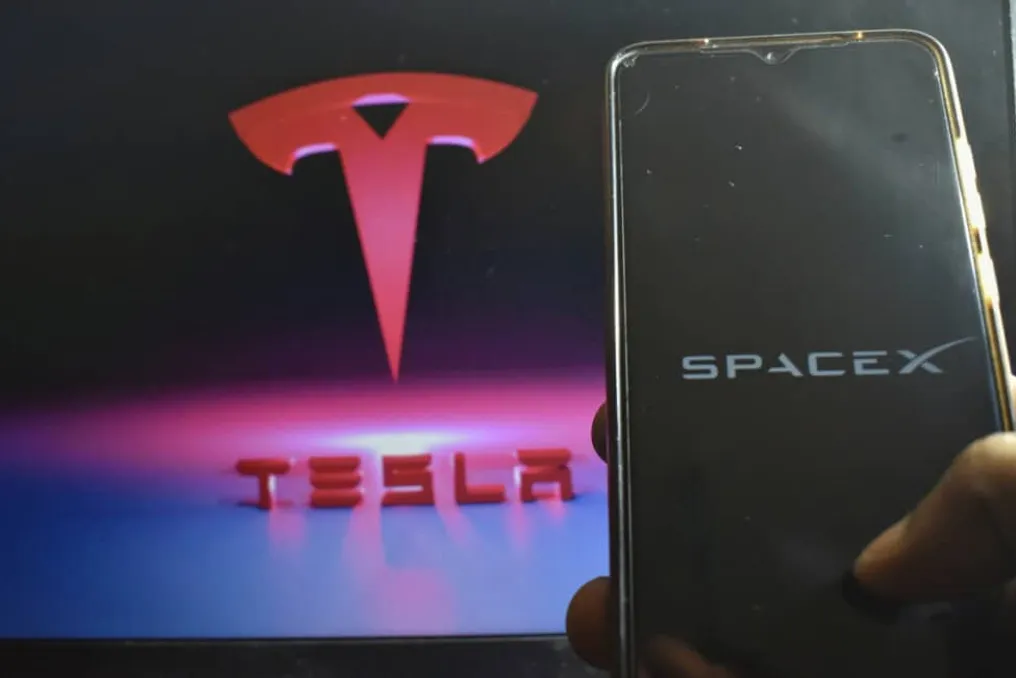
According to information released by Bloomberg, the companies SpaceX and Tesla, both linked to Elon Musk, may formalize a merger as early as December 2026. The companies are reportedly currently in negotiations to define the details of the transaction, including price and level of control.
Although the conclusion of the agreement is not yet certain, the beginning of 2027 is also seen as a possibility. If the merger occurs, the operation should follow the model of Tesla being absorbed by SpaceX.
SpaceX has a valuation exceeding US$1.9 trillion (equivalent to about R$10.1 trillion), while Tesla's market value is estimated at around US$1.5 trillion (approximately R$8 trillion). This union would represent one of the largest corporate mergers ever conducted.
Another crucial aspect is the distribution of power within the companies. Musk holds about 20% of Tesla but exercises control over approximately 85% of SpaceX's voting power through special rights shares. A potential share exchange would allow Tesla investors to become part of an organization where the entrepreneur would have significantly greater control over decisions.
The website Electrek highlighted the potential impacts of this operation on Musk's compensation. According to clauses in his 2025 remuneration package, a change in corporate control could accelerate the acquisition of shares tied to specific goals. The same site mentioned that a valuation of US$2 trillion (R$11.28 trillion) for Tesla would be sufficient to immediately meet the first market value tier stipulated in the agreement. Additionally, 286 million restricted shares from a 2018 compensation plan could have their acquisition expedited through a change in control.
One of the main challenges to finalizing the merger lies in Tesla's operations in China. Bloomberg indicated the need to establish how these businesses should be separated or protected, also considering SpaceX's activities with governments and defense agencies.
The factory located in Shanghai is Tesla's largest production unit, responsible for more than half of the vehicles manufactured by the company. In October, this facility recorded the output of 67,829 vehicles.
This situation could raise concerns among regulators and shareholders, given that SpaceX maintains contracts and activities related to the United States government and defense, while Tesla has a strong presence in the Chinese market.
The political landscape in the United States adds another layer of uncertainty. After the midterm elections, Democrats took control of Congress and signaled an intention to scrutinize Musk's companies and their political ties more rigorously.
Bloomberg had previously reported that the companies were interested in finalizing the operation before Donald Trump left the Presidency of the United States. To date, neither company has commented on the possibility of a merger. Following the report's publication, Tesla's shares rose by 1.9%.