The Angolan Parliament approved the General State Budget (OGE) for 2027. The vote passed with the support of the majority of MPLA, although the opposition expressed criticism regarding the significant burden of national debt, which consumes almost 44% of the planned 37.34 billion kwanzas.
The last budget of the current legislative term was approved overall with a vote of 113 in favor and 65 abstentions. It now moves to discussion in a special procedure, providing for an increase of approximately 4.1 billion kwanzas compared to the current budget.
With an estimated deficit of 7.7 billion kwanzas, the opposition highlighted during the discussion in the National Assembly the impact of national debt on public accounts. According to an analysis by the economic publication Expansão, debt is expected to lead expenditures in 2027 and exceed public servant salaries for the first time.
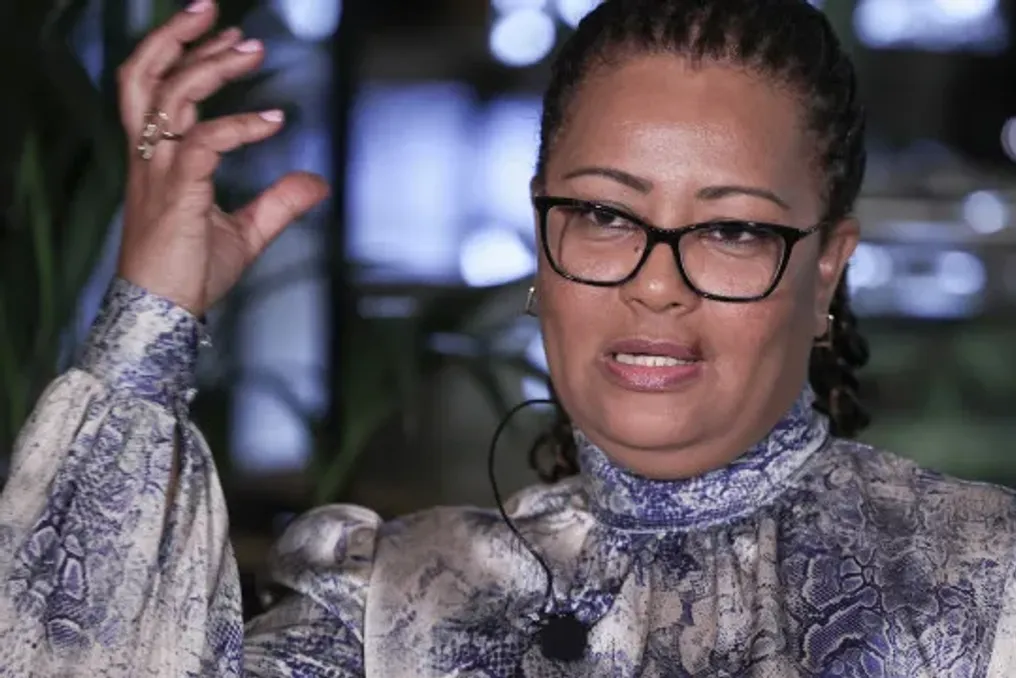
The chairman of the UNITA parliamentary group, Navita Ngolo, noted that 'for every 100 kwanzas the state spends in 2027, 43 kwanzas will go towards repaying old debts.' She added: 'Only 57 kwanzas remain for hospitals, schools, roads, water, and salaries. Moreover, the Executive branch forecasts gross financing needs of 15.5 billion kwanzas in 2027. We will take loans to cover expenses, most of which are due to debt.'
The largest opposition party abstained from voting, pointing out that over the last nine years of rule led by João Lourenço, the reality of Angolan families shows that 'the loss of income value exceeds 100%.' It also emphasized that 'from 2017 to 2027, the kwanza has lost an average of 82% of its value against the dollar,' noting that 'social spending per capita has decreased by 33%'—from '$396 to $266 USD.'
The Angolan National Liberation Front (FNLA), through its representative Nimi a Simbi, president and one of two deputies elected by this party, drew attention to the importance of servicing the national debt in the budget, as well as difficulties in accessing education and healthcare.
With a projected GDP growth of 5.5% in 2027, the parliamentary majority and the ruling MPLA (Popular Movement for the Liberation of Angola) allocated planned investments in education, health, social protection, and housing, as well as strengthening vocational training, the National Employment Fund, and youth entrepreneurship.
The MPLA parliamentary leader, Joaquim António Carlos dos Reis Júnior, stated that the Government's proposal 'contributes to macroeconomic stability, protection of family incomes, stimulation of national production, and creation of opportunities for youth.'
MPLA also expressed readiness for political dialogue aimed at completing the legislative package on the creation of local authorities in Angola. The Social Renaissance Party (PRS), through Benedito Daniel, justified its vote for the proposal by citing the social and economic priorities laid out in the budget plan. The Angolan Humanists Party (PHA), in turn, also voted for it, as deputy Fernando Diniz considered ensuring institutional stability and continuity of public services in the electoral year to be fundamental.
MPLA has been the ruling party since Angola gained independence in 1975. In the current legislative term, it has 124 deputies in the National Assembly, followed by UNITA with 90 deputies, while FNLA, PRS, and PHA each have two deputies. This year is the last in the current legislative term, as Angolans will hold elections in 2027 to elect the new President of the Republic and head of the Executive Branch, as well as new deputies to the National Assembly.