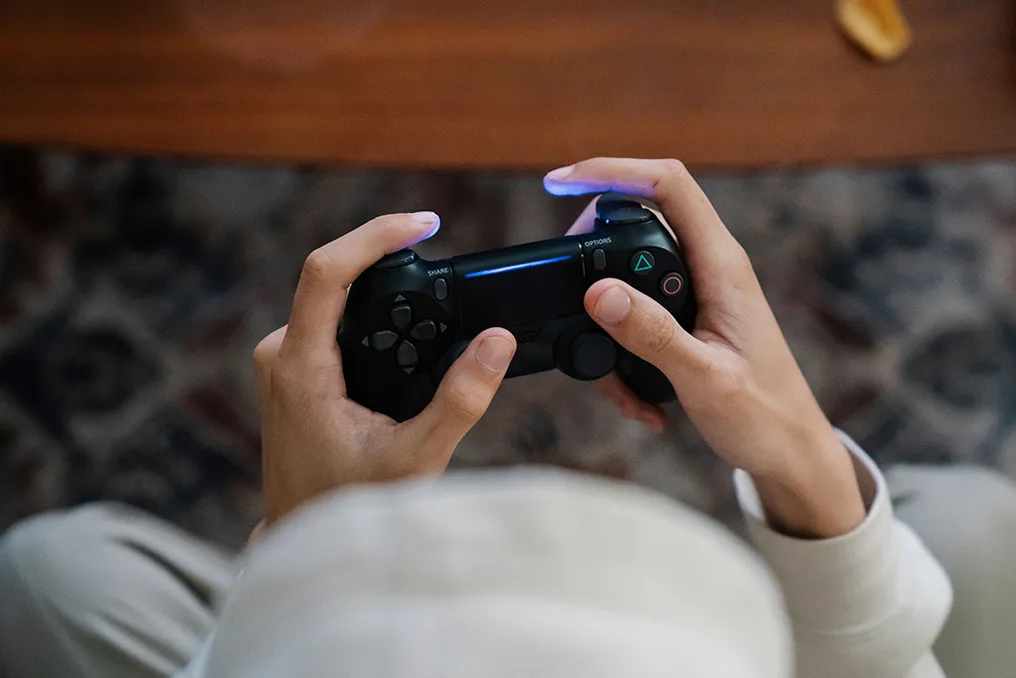
The myth that video games are harmful to health has been constantly refuted by various studies. Studies point out that regular gaming can positively contribute to motor coordination, mental health, creativity, brain plasticity, strengthening social bonds, and even assisting in therapeutic processes with psychologists. However, it is emphasized that excessive consumption must be avoided to ensure the hobby remains healthy.
An investigation conducted in July 2026 provided another piece of evidence in favor of gamers, correlating the habit of playing video games with superior cognitive performance. This study was published in the journal Acta Psychologica and sought to clarify a divergence found in previous works: while some suggested benefits for mental skills, others reported minimal or inconsistent effects.
The researchers conducted a systematic review and three meta-analyses, examining 133 studies published between January 2005 and August 2025, involving a total of 14,245 participants. All these works focused on the link between the act of playing and an alleged improvement in cognitive performance.
Results
In all the meta-analyses analyzed, positive results were noted in cognitive tests, although these were considered modest. The most relevant findings emerged from controlled trials, where researchers evaluated interventions using video games, unlike the simple observation of individuals who played on their own. In this type of trial, memory showed a significantly clear improvement.
It is important to note that the study does not corroborate the notion that video games promote a generalized and expressive increase in intelligence, given that the detected effects are relatively small and the possibility of establishing a cause-and-effect relationship remains limited. Stating that a video game broadly improves intelligence would be difficult to sustain in the short term, as 'intelligence' is a vast concept and research generally focuses on specific skills within delimited groups and periods.
Despite this, the results confirm once again that players tend to exhibit above-average cognitive performance in certain tests, particularly regarding memory.
The other side
To understand the relevance of this 2026 study, it is necessary to consider a previous work, dated 2018, which reached the opposite conclusion: video games do not enhance cognitive ability. This meta-analysis, published in Psychological Bulletin, analyzed 227 individual studies.
In this analysis, scientists investigated whether the specific skills used during gameplay translate into broader cognitive abilities, i.e., whether they raise overall intelligence. Since they found no definitive proof of this, they concluded that there is no causal link between playing video games and improving general cognitive ability.
The 2018 and 2026 studies addressed different issues: the older one sought to know if gaming generated gains in general cognitive ability, while the more recent one investigated the enhancement of specific cognitive skills. For this reason, their conclusions are not necessarily contradictory, but rather different perspectives on the topic of intelligence. A positive point is that none of the mentioned scientists claimed that playing makes people less intelligent.