Honda Fireblade 2027 receives updates, including more flexible chassis and titanium tank
Read more
AutoPapo
autopapo.com.br

Honda Fireblade 2027 receives updates, including more flexible chassis and titanium tank

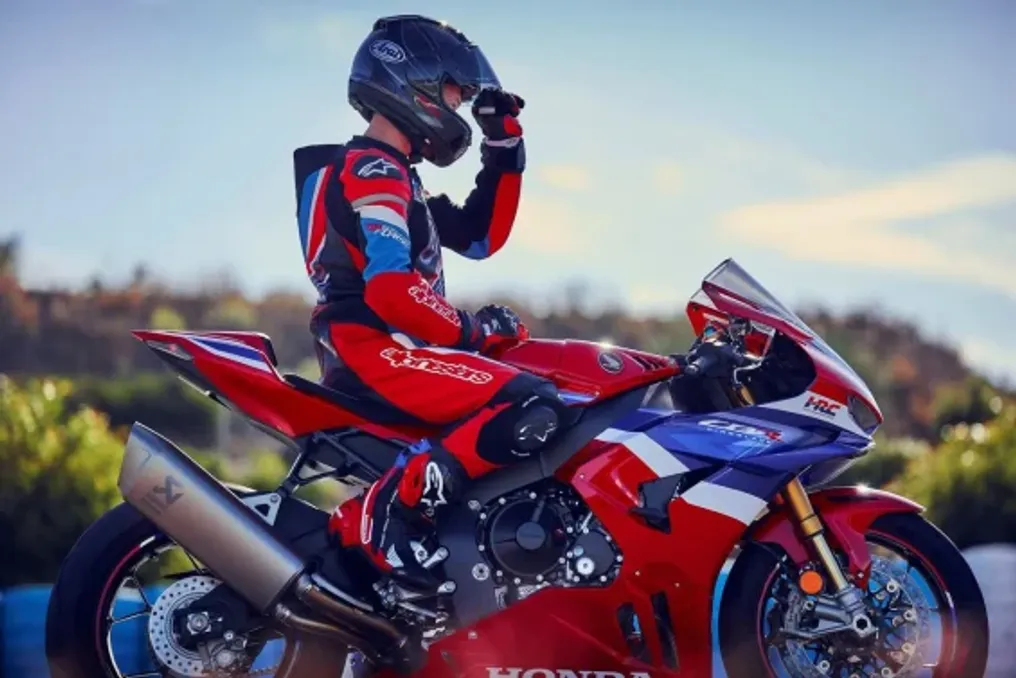
Honda has promoted a major update to the CBR1000RR-R Fireblade, its 1,000cc sport motorcycle, renewing approximately 75% of its parts and removing the front aerodynamic wings from two of the three available configurations.

The 2027 line was revealed earlier this month at EICMA, a motorcycle fair held in Milan, Italy. This approach contrasts with the trends of competitors, who have been incorporating increasingly larger appendages.

According to Honda, the new fairing, developed in collaboration with HRC (the brand's racing division), manages to produce the same aerodynamic pressure as the wings used in the previous generation.

The inline four-cylinder engine maintains its power output of 218 hp, although the manufacturer states that it offers an increase in power delivery in mid-range RPMs. Aesthetically, the bike has also undergone changes, featuring a sharper front design and redesigned headlights.

Structurally, the new aluminum chassis has become 440 grams lighter and exhibits 20% less lateral rigidity, while maintaining torsional stiffness. The rear swingarm has also seen its lateral rigidity decrease by 12%. Although this may seem contradictory, this increased lateral flexibility allows the chassis to absorb road imperfections when the bike is leaned over, resulting in better tire contact with the ground during corners.

All versions are now equipped with a titanium fuel tank, with a capacity of 16.6 liters. On the SP version, part of this metal material is visible, receiving a hand-finished coating.

In terms of suspension, the entry-level Fireblade uses Showa shock absorbers, while the SP version features an Öhlins system equipped with electronic control. The third option is the HRC Works Edition, which is the only one that retains the carbon fiber wings. Honda reports that these wings generate 3.5 times more aerodynamic pressure than the standard fairing at a speed of 299 km/h. In this configuration, the electronic suspension is replaced by mechanically adjustable Öhlins components.

This last version serves as Honda's homologation bike for the World Superbike Championship. By adding the HRC Racing kit, it receives new ignition and injection systems, as well as a race-spec gearbox, but installing this kit voids the motorcycle's warranty.

Honda has not yet released the prices for the 2027 line. In the Brazilian market, the brand sells the Fireblade SP 2026, which was launched in March for the price of R$ 189,174.
Similar stories

Yamaha unveils new electric scooter Xenter E with large wheels and 108 km range
Read more
www.aajtak.in

Yamaha unveils new electric scooter Xenter E with large wheels and 108 km range

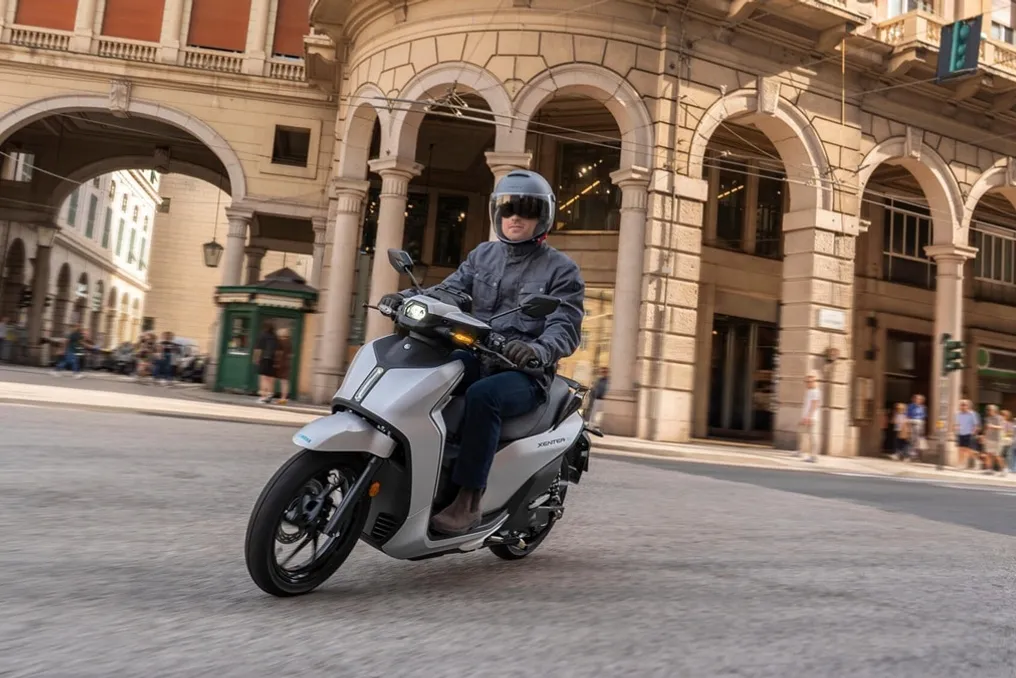
Yamaha has released a new electric scooter called the Yamaha Xenter E. This scooter is distinguished by its large wheels. The company plans to introduce this model in Europe early next year. Furthermore, the brand also demonstrated a gasoline version of this scooter, although information on the technical specifications and release dates for the gasoline version has not yet been disclosed.

Both versions of the scooter will be manufactured in Vietnam. Yamaha usually gives its models a premium look, but the Xenter E is presented in a more restrained design, emphasizing its orientation towards daily use.

The scooter's design includes a streamlined appearance, a unique front shield, compact hexagonal headlights, and a vertical daytime running light element. It is equipped with 16-inch aluminum alloy rims. In Europe, consumers prefer scooters with large wheels, unlike models with smaller wheels commonly found in India. Yamaha compares this scooter to a 125cc scooter.

The electric version is equipped with a 3.5 kWh lithium-ion battery, which provides the stated range of about 108 kilometers. The scooter develops a power of 10 hp and a torque of 33.35 Nm. Power is transmitted to the rear wheel via a belt drive. The battery has an L-shaped form.

The seat height of the Xenter E is 790 mm. It is equipped with telescopic front suspension with a travel of 100 mm, and dual rear shock absorbers with a travel of 97 mm. Disc brakes with ABS are provided for braking on both the front and rear.

The scooter offers three riding modes: S, T, and E. Mode S is intended for sporty riding, mode T for daily commutes, and mode E for achieving maximum range. It also features regenerative braking. A 5-inch TFT display is installed on board, supporting navigation functions, parking location display, and other connectivity options.

Honda launches 750W electric mountain bike in partnership with Rotwild
Read more
olhardigital.com.br

Honda launches 750W electric mountain bike in partnership with Rotwild

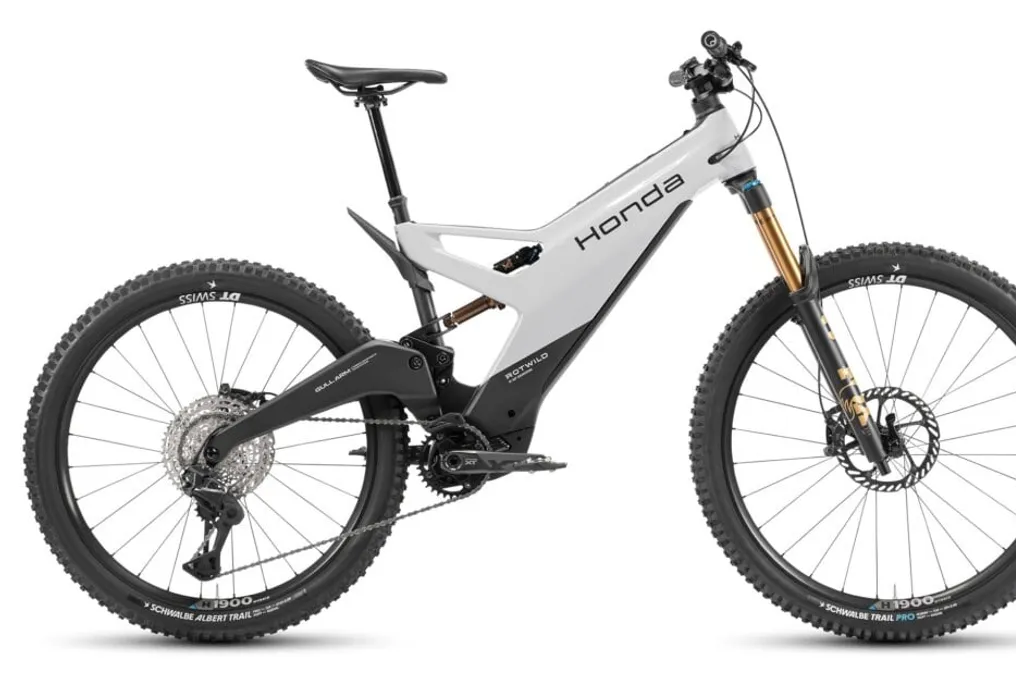
Honda unveiled its first high-performance electric mountain bike during EICMA 2026, a motorcycle event held in Milan, Italy. This new model, named RN0, was developed in collaboration with the German manufacturer Rotwild, blending aesthetic elements inspired by Rotwild motorcycles with components focused on off-road cycling.

The RN0 is positioned in the market as a premium offering of electric bikes. Although it incorporates advanced technology and a carbon fiber frame, it also integrates automated systems to simplify the experience for novice cyclists. The sale of this model will be restricted to specific Honda dealerships.

The propulsion system used in the RN0 is the EP810, supplied by Shimano, which has the capacity to generate up to 750W of maximum power and 100 Nm of torque. Power is supplied by a removable 720 Wh lithium-ion battery.

A notable feature is the Shimano Di2 electronic shifting system, which includes AUTO SHIFT and AUTO ASSIST functionalities. These features automate both gear changes and part of the electric assistance management, reducing the need for cyclist intervention during the ride.

Additionally, the motor ensures that power is delivered to the rear wheel for a brief period after pedaling stops, a characteristic that, according to the proposal, helps the bike overcome obstacles when the cyclist stops pedaling.

However, such features may not be ideal for more experienced mountain bikers, who generally prefer to maintain manual control over power and transmission. On complex trails, maintaining electric assistance can result in less predictable bike behavior.

Structurally, the Honda RN0 features a monocoque frame made of high-modulus carbon fiber, equipped with a reinforced front tube and a large bottom tube to house the battery. Its robust design recalls the style of motocross motorcycles.

The bike uses parts from renowned industry manufacturers. The front suspension is a Fox 36 Float Factory, with a 160 mm travel, while the rear features a Fox Float X Factory shock absorber, offering 145 mm of travel. The wheels have a mixed configuration: 29 inches in the front and 27.5 inches in the rear. The braking system consists of four-piston Shimano Deore XT hydraulic brakes, coupled with 203 mm discs, and the tires are Schwalbe Albert Evo radial.

In the large size version, the RN0 weighs 24 kg. Despite the quality of construction and finish, preliminary tests identified an acoustic issue: the hollow carbon frame tends to amplify mechanical noises generated by the chain and transmission vibrations during use.

The RN0's distribution approach sets it apart from other electric mountain bikes. Instead of being sold in specialized cycling stores, the model will be exclusively marketed at selected Honda dealerships that sell motorcycles, automobiles, and boats.

This strategy aims to bring the bike closer to customers who already frequent these establishments looking for higher-value vehicles. The collaboration with Rotwild also signals the Japanese manufacturer's entry into this niche of electric mountain bikes for the end consumer.

Rotwild, the German company, already has experience working with high-end automotive brands such as Porsche and Mercedes-Benz. The RN0 makes a historical reference to Honda, as its name evokes the RN01, a downhill bike presented in the mid-2000s that won a World Cup title in the discipline.

Although Honda has not yet released the official price of the RN0, market estimates suggest a range of US$ 9,000 to US$ 12,000. At this price point, the model will compete with bikes such as the Specialized Turbo Levo and the Santa Cruz Heckler.

Toyota develops new four-cylinder engine for Corolla with promise of greater fuel economy
Read more
autopapo.com.br

Toyota develops new four-cylinder engine for Corolla with promise of greater fuel economy

Toyota, a company recognized for its leadership in hybrid vehicles, is developing a new generation of automotive technology with the goal of reducing fuel consumption by more than 15%.

The Japanese manufacturer announced that this new system was designed for future platforms that will support various configurations, including hybrid, plug-in hybrid (capable of external charging), and fully electric versions.

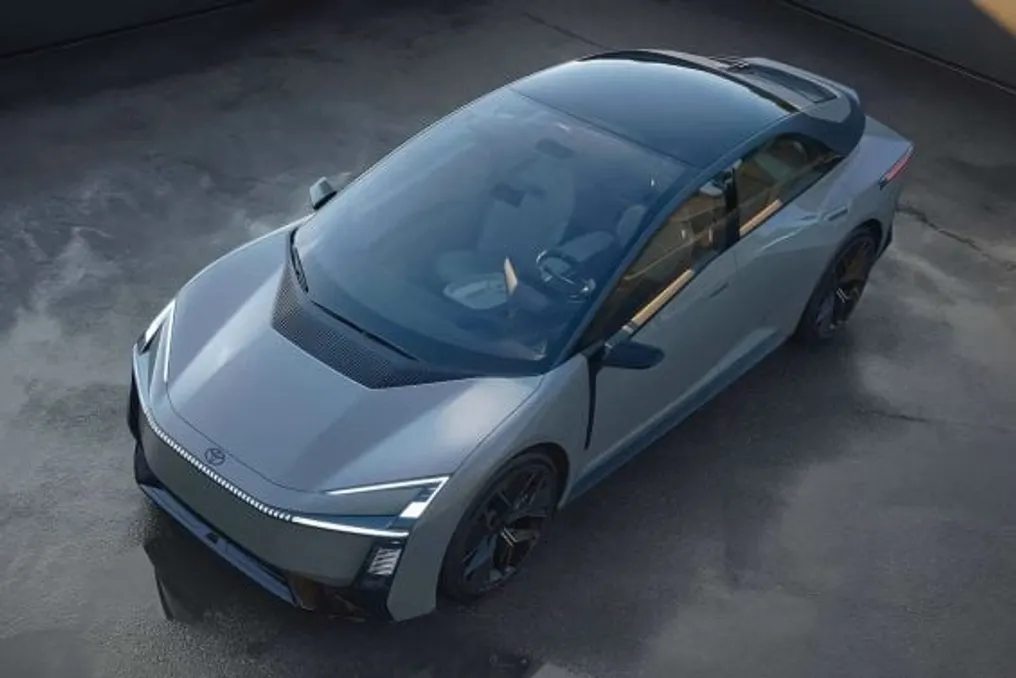
European press expectations indicate that the first vehicle to incorporate this novelty will be the next generation of the Corolla, whose debut is scheduled for 2028. This new sedan was previously presented at the Corolla Concept during the Japan Mobility Show, held in Tokyo last year.

The core of this project lies in a new family of 1.5-liter four-cylinder engines, offering both naturally aspirated and turbo options. It is important to note that Toyota did not modify an existing engine; the new units were entirely designed to operate in conjunction with electrical systems.

According to the brand, the 1.5 naturally aspirated version will have performance equivalent to that currently provided by the 1.8 and 1.5 three-cylinder engines.

In the Brazilian market, the 1.8 engine is used in the Corolla and Corolla Cross hybrid flex models, which run on ethanol and gasoline. Concurrently, electronic components—such as inverters, motors, and power control units, responsible for managing energy flow—have been optimized, becoming smaller and lighter.

This reduction in size and weight allows the vehicles to have a lower hood and a freer design. The manufacturer assures that the hybrid versions will fit into the same architecture as the electric models, without compromising the silhouette, interior space, or overall capacity of the vehicle.

Toyota attributes the increase in efficiency to four main factors: reduction of mechanical friction, improvement in thermal management, reduction of electrical losses, and minimization of aerodynamic resistance.

Using a common base for multiple powertrains also helps dilute development costs and allows production to be adjusted according to the specific demand of each market, according to the manufacturer itself. Additionally, the system is being prepared to run on renewable fuels, and Toyota plans to expand the sale of its engines and hybrid technology to other companies in the coming years.

Popular