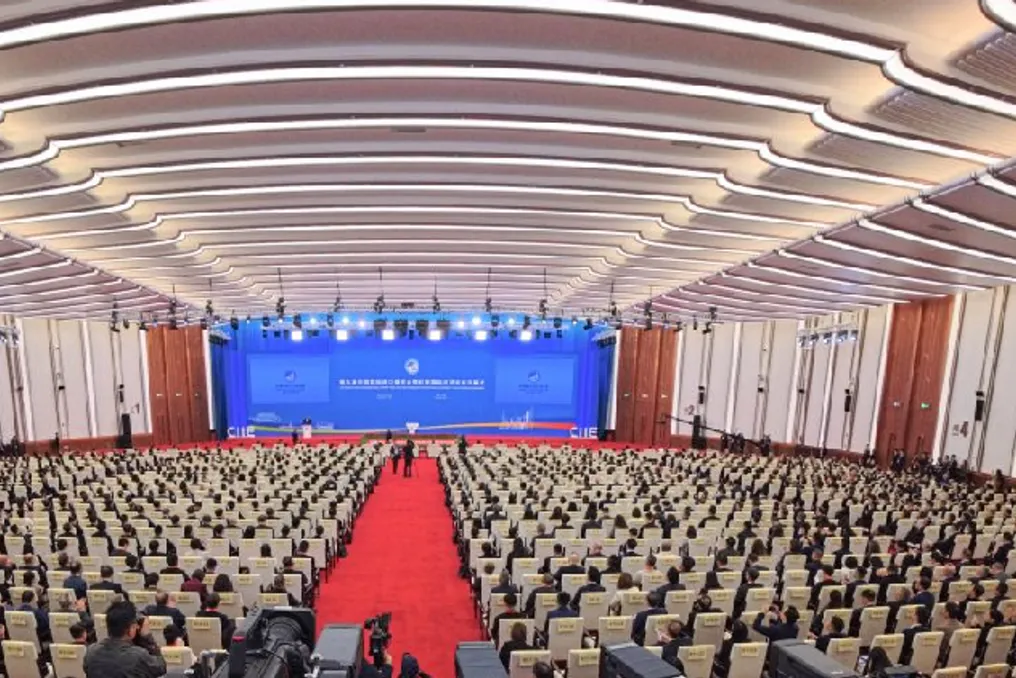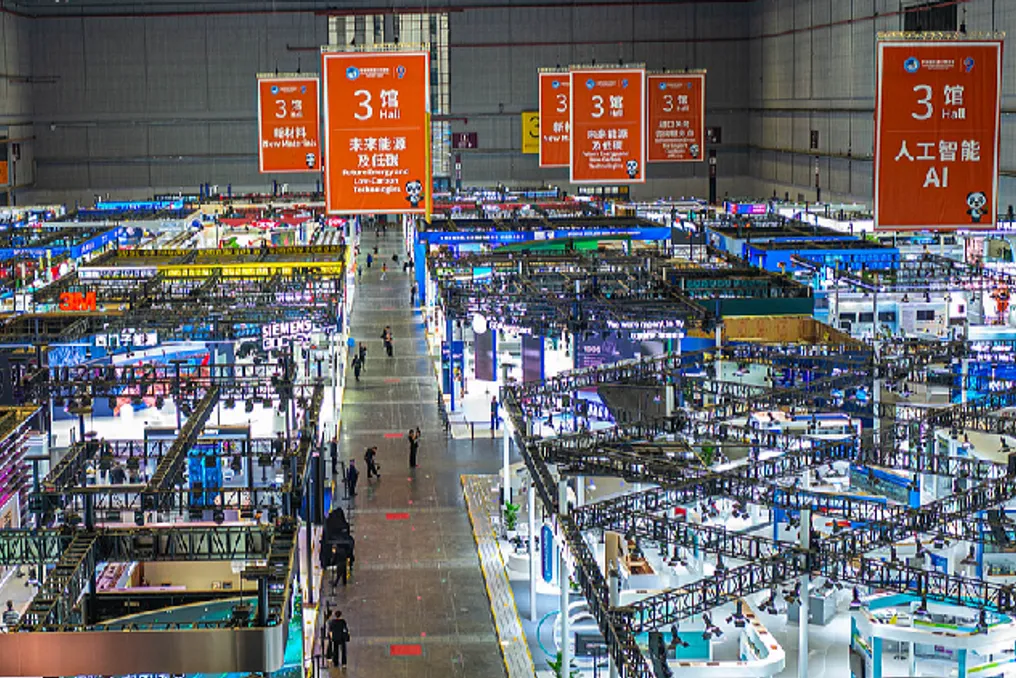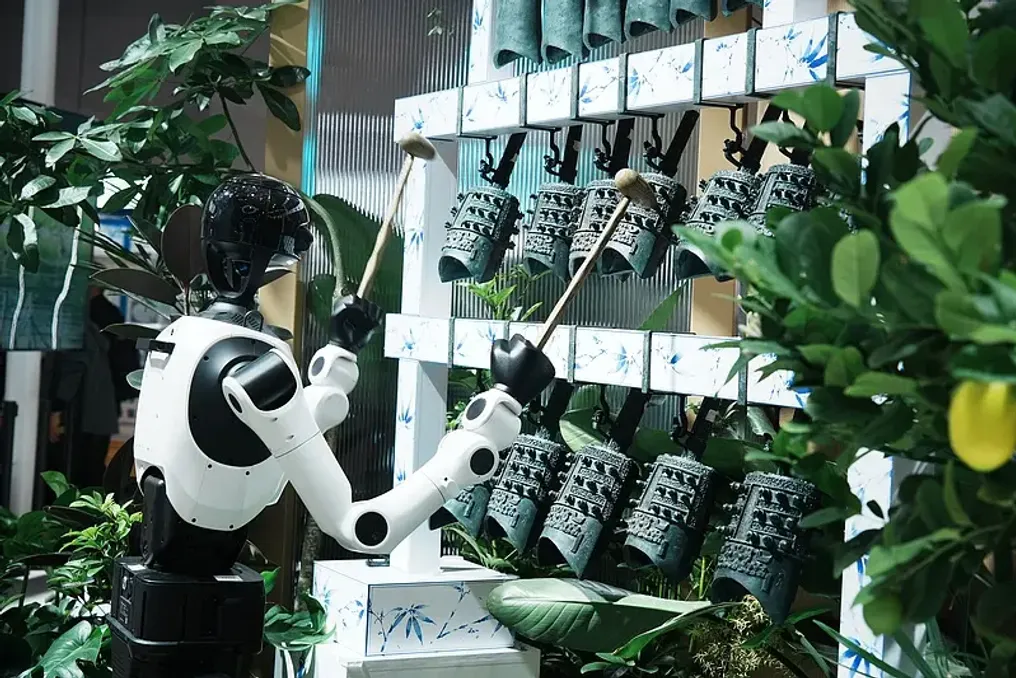
The China International Import Expo (CIIE) is showcasing a wide range of innovations this year, presenting products from cochlear implants for assisting users in noisy environments to home repair solutions capable of transforming a kitchen in just three days.
Over 480 products and technologies are being presented for the first time at the exhibition, setting a new record. This raises the question of why China is such a significant market for global product presentations and how CIIE in Shanghai fits into companies' plans.
Vast Market and Innovation Testing Ground
China's appeal to international corporations is largely due to the scale of its market. According to data from the General Administration of Customs of China, the country imported goods worth approximately $2.58 trillion in 2025, maintaining its status as the world's second-largest importer for the 17th consecutive year.
However, market size is only part of the picture. Chinese consumers have diverse needs and preferences, and growing expectations regarding quality, convenience, and smart features drive companies toward continuous improvement. Furthermore, competition from rapidly growing local brands intensifies the pressure to innovate.
For global brands, China represents not just a place to sell goods but also a platform for understanding changing consumer expectations, gathering feedback, and discovering new ideas. Vis Kerr, Vice President of Categories at Dyson, noted that technically savvy Chinese consumers and fast-developing local brands have prompted the company to accelerate innovation and closely monitor consumer opinions.
CIIE provides the necessary platform for this process. An example is the L'Oréal AirLight Pro hairdryer, which debuted in China at CIIE in 2024. This product was developed in collaboration with the Chinese tech startup Zuvi and combines infrared light with a high-speed airflow for hair drying, while also helping to protect its appearance and texture.
Initially, the product was not released as a consumer good. After gathering feedback from professional stylists and consumers at the exhibition, it soon entered the Chinese market with features specifically designed to meet the needs of people with fine or chemically treated hair.
From Exhibits to Products
Presenting a product at an exhibition is only the initial stage. For companies, the more complex task is turning initial interest into market access, sales, and sustainable presence. Shanghai has implemented measures to simplify market entry for relevant imported consumer goods debuting in China.
Streamlined customs inspection procedures reduce clearance time from a minimum of seven days to the possibility of release on the same day. This is particularly important for perishable goods, such as fresh fruits, which must arrive at the exhibition in good condition and have a limited selling window.
African cherries, debuting at CIIE this year, are a timely example. Their arrival coincides with broader efforts to expand trade between China and Africa. Since May 1st of this year, China has extended the duty-free regime for qualified imports from 53 African countries with which it maintains diplomatic relations.
Product admission to the exhibition is only part of the journey. To help companies maintain their presence after the six-day event, Shanghai has created an all-year network of exhibitions and sales. A key facility is the Hongqiao Pinhui Import Exhibition and Trade Center. Located near the CIIE venue, this center allows international brands to continue showcasing and selling their products after the exhibition concludes, connecting them with buyers through retail, trade, and online sales channels.
Bosch from Germany is one of the firms utilizing this year-round platform. Its intelligent heat pump system for residential use is debuting at CIIE this year. After the exhibition, Bosch plans to bring the system to the Hongqiao Center to continue attracting potential buyers and moving closer to commercial sales in the Chinese market.
For some products, entering the Chinese market requires more than just customs clearance and sales channels. Companies must also comply with regulatory requirements that vary depending on the product category. CIIE helps them establish contacts with local authorities and better understand the procedures related to bringing their products to market.
The experience of the British consumer healthcare company Haleon illustrates how this works in practice. Haleon's Parodontax toothpaste debuted in China at CIIE in 2024. Thanks to a simplified application procedure for imported toothpaste with certain functional claims, Haleon collaborated with Chinese dental institutions to conduct local clinical validation. The product passed the necessary registration procedures and entered the Chinese market in less than a year.
From Exhibitor to Investor
For some companies, the opportunities created by CIIE extend beyond product launches and sales. The exhibition can also bring together international technology suppliers with Chinese industrial partners, opening avenues for cooperation that may lead to further investment.
The Swedish technology group Hexagon exemplifies this role of the exhibition. The company participated in CIIE for the first time in 2019. During that year's event, it signed a strategic cooperation agreement with the China Aerospace Science and Industry Corporation (CASIC) to explore intelligent manufacturing solutions for the aerospace industry.
This agreement was built upon existing relationships. In the same year, Hexagon's laser measuring instrument was used in assembly inspections for major space missions. CIIE provided an opportunity for both parties to formalize their cooperation and explore other areas of interaction.
Since then, Hexagon has expanded its operations in China, opening R&D headquarters and centers in cities such as Qingdao, Shanghai, Beijing, Shenzhen, and Wuhan. For companies in technology-intensive industries, building relationships with industrial partners and exploring collaboration opportunities can be as crucial as attracting potential customers.
Building Long-Term Relationships
For international companies, the appeal of CIIE lies in what happens after the product debut. The exhibition offers a chance to present new goods to a wide audience, directly hear the opinions of potential users and buyers, and connect with business partners who can help bring these products to market.
Some of these connections may lead to sales and wider distribution; others may open the door to industrial cooperation and investment. It is this combination of market reach, consumer feedback, and business opportunities that explains why companies continue to choose CIIE and China as the venue for showcasing their latest products and exploring the next stage of their growth.