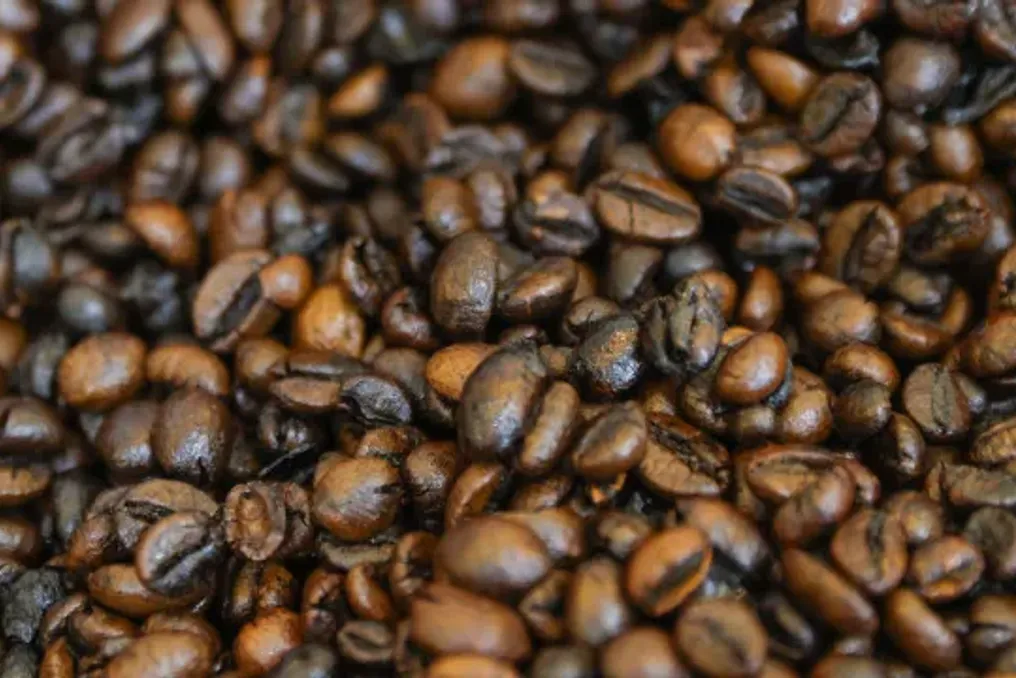
The director of the International Fund for Agricultural Development (IFAD) in Angola stated that the country has the capacity to produce coffee; however, it is necessary to strengthen processing facilities and qualify farmers to reach pre-independence production levels.
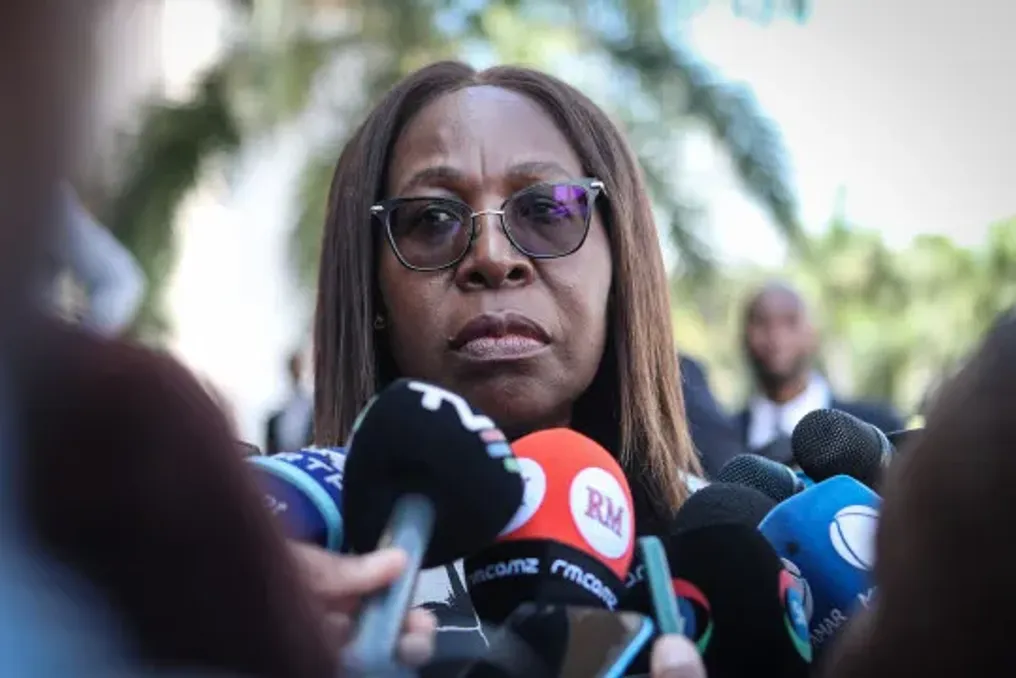
Custódio Mucavele, IFAD director in Angola, addressed this topic during an event focused on the Coffee sector's Trade and Competitiveness and preparation for the European Union's Regulation on Deforestation-Free Products (EUDR).
IFAD is the financier of the Coffee Value Chain Development Project (Prodecafé), an initiative by the Angolan government aimed at revitalizing production, increasing productivity, and consolidating the entire coffee value chain in Angola, with a total budget of 113 million dollars (equivalent to 99 million euros).
Mucavele informed that IFAD and the Angolan Government are reforming Prodecafé, a project that will cover ten provinces over ten years, scheduled to begin next year. Of this global amount, IFAD will contribute 50 million dollars, while the Mattei Plan, an international cooperation strategy promoted by the Italian Government, will provide the remaining 45 million dollars.
The provinces selected for the first phase include Bié, Cuanza Sul, Huíla, Huambo, and Malanje, and for the second phase, after five years, Uíje, Bengo, Luna Norte, Moxico, and Cuanza Norte will be included.
During the discussion, it was emphasized that it is crucial to ensure that Angolan coffee accesses competitive markets, especially European ones, which have rigorous requirements regarding non-deforested origin. The source stressed that Angola still faces challenges, such as the need to use high-quality inputs and produce seedlings in quantity and quality, making it essential to analyze coffee within a global scope, covering the entire value chain.
It was highlighted that most of the coffee must be produced and processed within Angola. To achieve this, it is imperative to reinforce processing units, markets, train both farmers and processors, and ensure that access routes are adequate to facilitate all logistical movements.
Custódio Mucavele recalled that coffee was a historical crop in Angola in 1972/1973, when the country ranked among the world's largest producers, right after Brazil, demonstrating that Angola possesses all the necessary conditions for coffee production. He added that despite losing momentum due to past events, the current goal is to resume that level and even surpass nations that were previously strong.
IFAD, a United Nations affiliated institution, has supported programs in Angola since 1982, currently maintaining a portfolio of about 300 million dollars (262.9 million euros) in initiatives for the agricultural sector.