How DRUM Magazine Documented Youth Culture and Shaped a Generation in South Africa
Read more
10and5
10and5.com

How DRUM Magazine Documented Youth Culture and Shaped a Generation in South Africa

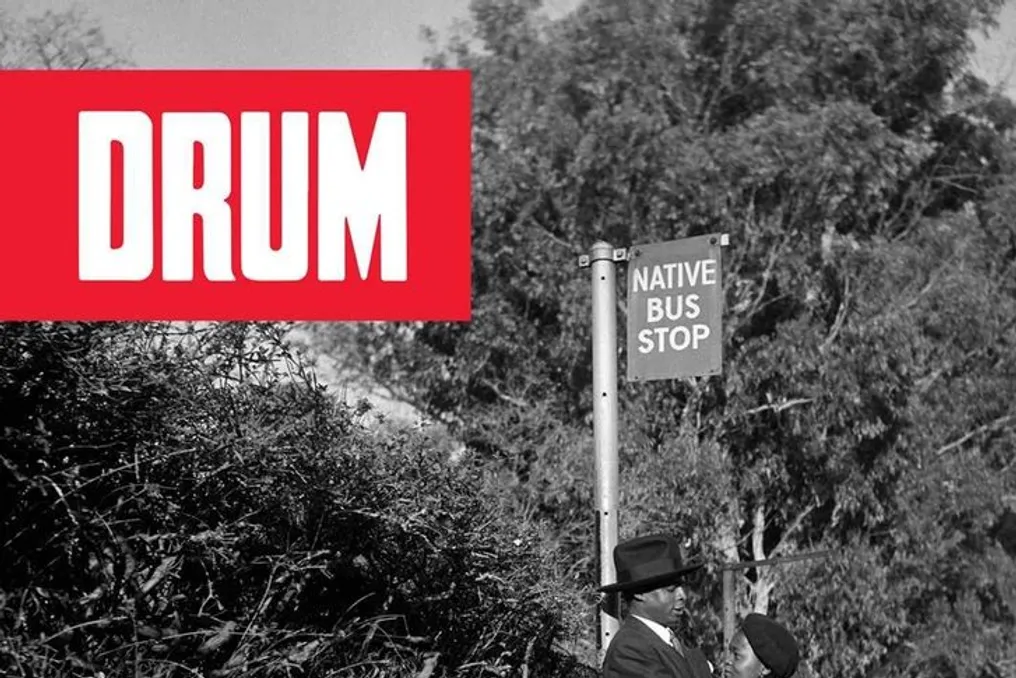
Long before the advent of social media, viral moments, and digital media platforms, one South African magazine documented the sounds, images, fashion, and personalities that defined an entire generation. DRUM Magazine did not just cover culture; it helped define this generation's self-perception.

When Instagram Explore pages or TikTok trends did not yet exist, there was DRUM—a publication that captured something extraordinary in the spirit of Black South Africa. It documented a generation finding its voice, its identity, and its place in a country striving to restrict all three aspects.

The Launch of DRUM Magazine in 1951

Initially launched in 1951 under the name The African Drum, and later transformed into the modern DRUM, the magazine appeared during one of the most significant periods in South African history. While the apartheid regime intensified, a completely different story was unfolding on the streets of Johannesburg, especially in Sophiatown.

A new urban culture was forming. Jazz clubs were filled with patrons, musicians found their audience, fashion became a form of self-expression, and young Black residents of South Africa created new identities through music, language, style, and nightlife. This generation possessed an energy that could not be contained by the political and social structures surrounding it.

DRUM recognized this phenomenon. Instead of merely documenting the political reality of the time, the publication focused on the people who lived, created, and shaped this culture. Its pages reflected the world of jazz musicians, writers, photographers, boxers, fashion, entertainment, relationships, and daily life in the townships.

The magazine also became home to a remarkable generation of creative voices. Journalists and writers such as Henry Nkumalo, Kahn Temba, Todd Matsikiza, Casey Motsisi, Blouk Modisane, Arthur Maiman, Lewis Nkosi, Nat Nakasa, and Es'kia Mphalele helped shape DRUM's distinct editorial voice. Photographers, including Jürgen Schadeberg, Bob Gosani, Peter Magubane, Ernest Cole, and Alpha Kumalo, worked behind the lens, documenting the people, places, and moments that defined that era.

Rather than just recording political realities, the publication paid attention to the people creating and shaping the culture. Its pages presented the world of jazz musicians, writers, photographers, boxers, fashion, entertainment, relationships, and ordinary life in the townships. It offered readers something particularly powerful: the chance to see themselves represented in a way that mainstream media rarely allowed.

A Generation Finding Its Voice

At the heart of DRUM's influence was its ability to understand that the lives of Black South Africans were about more than just the struggle against apartheid. There were stories of aspiration, love, success, style, music, friendship, and the everyday experiences of people navigating an increasingly urbanized society. These stories held equal weight because they reflected the humanity of a generation constantly being defined by others.

The magazine became a haven for an exceptional collection of writers and photographers, including Henry Nkumalo, Kahn Temba, Peter Magubane, Jürgen Schadeberg, Nat Nakasa, and Todd Matsikiza. Together, they helped create a unique editorial style that was intelligent, fearless, visually compelling, and deeply rooted in the streets.

Henry Nkumalo, known as Mr. Drum, gained fame through his investigative journalism, including undercover reporting on farm worker exploitation. Kahn Temba brought wit and complexity to the literature of township life, while photographers like Peter Magubane and Jürgen Schadeberg created an extraordinary visual archive of the people and places that defined that era.

The result was not just a magazine, but a cultural document. It captured the personalities, environments, and moments that ultimately entered the collective memory of South Africa. The clothes people wore, the music they listened to, the places they gathered, and how they expressed themselves became part of an important historical chronicle.
Similar stories

Discussion of the identity of South African hip-hop using the track gxthestallion as an example
Read more
10and5.com

Discussion of the identity of South African hip-hop using the track gxthestallion as an example

The question of what South African hip-hop should sound like remains relevant, as the genre has always evolved, incorporating the influence of kasi and modern interpretations of trap, alternative rap, and drill. However, every time a new wave emerges, there is a discussion about what this culture should represent.

The track 'TRAPJUMP' by Johannesburg rapper gxthestallion has become one of the works that brought this discussion to the forefront. What started as a release for a small circle of enthusiasts attracted the attention of audiences far beyond the initial group, introducing listeners to a scene that developed outside the mainstream.

Before the track gained a million views and received international resonance, gxthestallion experimented with music on the BandLab platform. In an interview with Space Impaxt, he shared how he began creating the song and showed it to a friend who appreciated it. This small positive experience encouraged him to continue his creative work. This is a typical start for many emerging artists: a laptop, curiosity, and support from someone who believes in their talent.

Since then, gxthestallion has released projects such as LiveLoveTrap, gxtherebellion, and gxthepavilion, building connections with young producers and artists like Iceb0y, Gen, Gasomob, Omgragee, and silasprod. Representing the Southern area of Johannesburg, he also emphasizes his roots through references like 'All Southside, rise,' maintaining a connection to his hometown even when his music reaches a wider audience.

According to local music reviews, the video garnered over 400,000 views in just five days, and subsequently, reports indicated it surpassed one million views on YouTube by November 18th. The track also entered the daily Top 200 of Spotify South Africa, reaching 160th place on November 3rd. International reaction channels began covering the recording, and DJ Mike Hen from Houston released a chop-and-screwed version of it. The growing fame has drawn attention not only to gxthestallion but also to the entire network of artists, producers, and creators shaping the Johannesburg underground.

The reaction to this new wave has been mixed. While some listeners are pleased with the direction the underground rap is taking, others question why so many local artists rely heavily on American sounds. Criticism is often linked to questions of authenticity: if the beats, flow, and delivery sound American, where does the South African identity manifest? And when does influence turn into imitation?

For many years, local hip-hop was associated with recognizable cultural markers: references to townships, local languages, familiar production styles, and stories rooted in South African daily life. These elements helped shape a sound with which the audience could easily identify. Some of these traits can be heard in gxthestallion's music. His distorted bass, energetic percussion, and choral performance have parallels with contemporary American underground and rage rap. Nevertheless, his references to the Southern area of Johannesburg place him in a distinctly local setting.

His perspective challenges the idea that local identity and international influence must compete. Perhaps the issue is not that these artists listen to American music, but whether we are ready to accept that South African hip-hop can sound different from what we traditionally expect.

The internet has changed the way emerging artists present themselves to the world. To be heard, radio promotion, labels, or established industry connections are no longer necessary. Artists can record at home, upload a track, and build an audience through platforms like SoundCloud, YouTube, and TikTok. The story of 'TRAPJUMP' is an example of how quickly a recording from the underground can break out of its initial audience.

The broader streaming landscape indicates a growing audience interest in diverse styles. According to Spotify Loud & Clear data for 2025, South African artists earned over 504 million Rands this year, with cloud rap and pop rap being among the fastest-growing genres in the country over the past five years. Although these figures do not reflect the specifics of the underground, they provide insight into the changing demand for local music and the opportunities arising outside traditional industry structures.

The tension between preserving cultural distinctiveness and allowing it to evolve is not unique to South African hip-hop. Every generation ultimately contributes something new, and not everyone accepts it immediately. There is nothing wrong with wanting local hip-hop to retain the qualities that made it special. Our languages, narratives, production, and life experiences remain an important part of the culture, but they do not have to be the only way it is represented.

The attention focused on 'TRAPJUMP' provides an opportunity to examine this development more closely. Beyond statistics, it is an introduction to a community that is experimenting with sound, creating its own networks, and finding new ways to engage with the audience. Perhaps South African hip-hop does not need a new definition; perhaps it simply needs more space for experimentation, for challenging expectations, and for existing in various forms.

Generation Z uses internet trends and memes to understand life
Read more
www.aajtak.in

Generation Z uses internet trends and memes to understand life

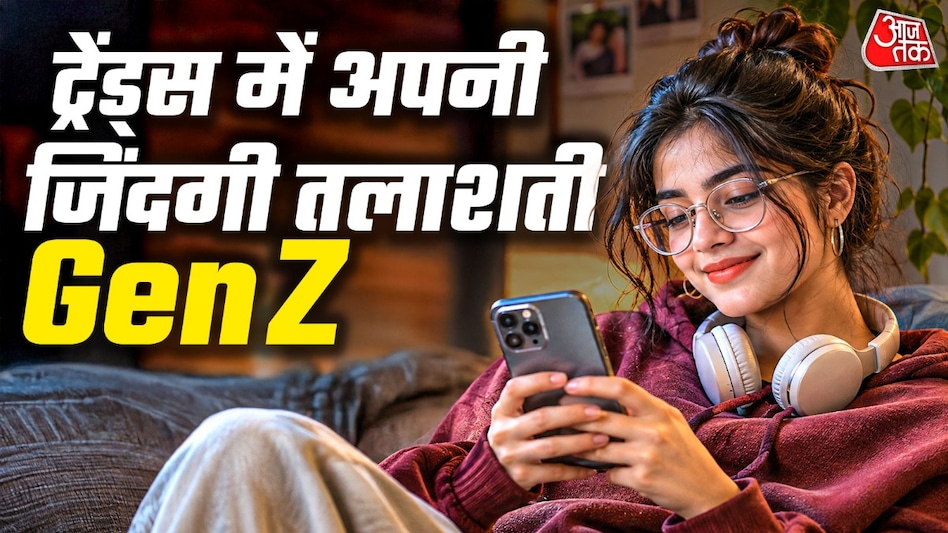
In the modern world, the internet has ceased to be merely a source of information or entertainment. New trends, memes, and short videos appear daily on social networks, beginning to unite young people. Especially among Generation Z, the influence of these internet trends has become noticeable in their daily lives. Young people now use terms and trends from the internet to explain their experiences, feelings, and relationships.

One striking example is new slang popular online, such as 'burnout,' 'soft life,' 'people pleasing,' and 'main character energy.' Previously, young people could explain their fatigue, habit of pleasing others, or desire to prioritize themselves in various ways. However, existing internet terminology now helps them recognize and express their emotions to others.

According to a study published in November 2024, which covered data from 32 states and 19,658 young people, it was found that social media can help youth understand their preferences and identity. Nevertheless, comparing one's life with the lives of others on social media can cause confusion and stress for young people. This indicates that the internet influences the ways Generation Z understands themselves and forms their identity.

Furthermore, many social media trends give young people the opportunity to realize that other people are going through similar experiences. When a young person sees something related to their own life in a video, they feel they are not alone. This is why young people sometimes perceive trends not just as entertainment, but also as a reflection of their own lives.

Internet trends also affect how young people shop, dress, travel, and form relationships. Sometimes a new trend becomes so popular that young people adopt it as part of their personality. They feel that this way they can better express their tastes and views.

However, it is not always correct to link every internet trend to one's life. Not everything shown on social media is a picture of real life. Comparing oneself to others' lives or trying to adopt every new trend can increase pressure.

Thus, internet trends are indeed becoming a way for Generation Z to understand their feelings and experiences, but relying solely on social media to understand one's own life is not the right approach.

Adidas Originals held a three-day event in Johannesburg dedicated to creativity and self-expression
Read more
10and5.com

Adidas Originals held a three-day event in Johannesburg dedicated to creativity and self-expression

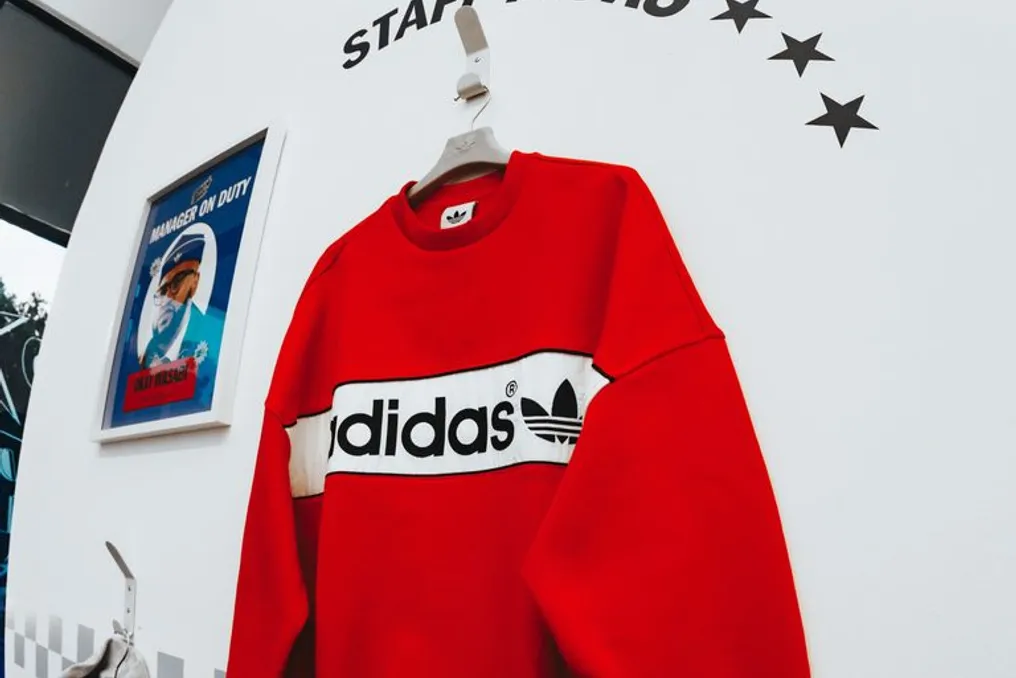
Adidas Originals Studio organized a three-day event in Johannesburg, bringing together various manifestations of the city's creative culture. The program covered themes of personal branding, fashion, film production, and self-expression, starting with an evening visit to the Star Mart store.

The event, which took place from November 6 to 8, was a joint project by Adidas Originals and Studio88. Over three days, participants immersed themselves in retail, music, discussions, and creative workshops, gaining opportunities to interact with various aspects of sport, fashion, and culture.

Friday Evening: Visit to Star Mart

The first day began on Friday evening with an event at Star Mart, which combined retail and cultural activity supported by Adistar. The event took place at Stanley Studio in the Braamfontein Werf area, near 44 Stanley, merging elements of commerce, music, and culture in an atmosphere fitting the spirit of Adidas Originals. The store attracted a large number of visitors who explored the space, examined the collection, and enjoyed the overall ambiance created by the visual design.

The evening program was enhanced by performances from Mamthug and Nkuley, setting the tone for the launch. Star Mart served as an introduction to the broader event, gathering people through fashion, music, and surrounding culture.

Saturday: Where Sport Meets Style

On Saturday, the focus shifted to creative workshops where participants analyzed the relationship between sport, fashion, and personal self-expression. One session, 'Kit Check,' led by Kabelo Kungwane and Alex Zono, examined the influence of sport on clothing choices and how sports culture shapes individual style. The discussion went beyond mere style, covering the process of building one's own brand—from the initial idea to budgeting and defining creative direction.

In parallel, the workshop 'Build Your Original,' conducted by Sonia Tona and Zéshaan Haku, offered a practical session. Participants worked with Adidas products, mastering customization and upcycling techniques to transform existing items into bags. This allowed them to experiment with materials and reimagine the potential of clothing outside its original purpose, encouraging the creation of something that reflects their own approach to fashion rather than starting from scratch.

Sunday: Signature Moves and Finding Your Purpose

Sunday added another dimension to the program, focusing on personal branding and the importance of understanding what one wants to convey through their work. The 'Signature Moves' session, moderated by Pamela Mtanga and Rabia Ghoor, explored the significance of defining one's goal and consistently returning to one's 'why' in endeavors. Both facilitators shared personal experiences and insights on building identity, developing a business, and establishing an online presence.

The discussion prompted participants to approach how they present themselves and what their personal brands should embody more consciously. It was emphasized that personal branding extends beyond appearance or social media posts; it begins with understanding one's own values, acknowledging the uniqueness of one's perspective, and finding ways to communicate this to others. The session concluded with a showcase of stylized content featuring the latest Adistar XLG and Control 5 models, integrating themes of personal identity and creative self-expression into a visual format.

A View from the Outside: Finding Voice Through Film

The final workshop, 'Double Take,' led by Meghan Daniels and Hallie Haller, immersed participants in the world of film production and visual storytelling. It encouraged them to explore the uniqueness of their perspectives and ways of translating these ideas into creative works. Through interactive discussions and exercises, participants reflected on their values and the voices they wished to bring to their narratives.

Working in teams, participants were tasked with creating short films using Adidas footwear, following a 30-second, single-shot brief. This prompted them to think creatively about how to convey a story within a limited timeframe. The session concluded with a screening of the films, providing an interesting finale to the program, demonstrating how personal self-expression can move beyond conversation and become something visual that can be shared with others.

More Than Just a Weekend Activation

In addition to the workshops, retail continued throughout Saturday and Sunday, as Studio88 featured Adidas Originals products at the heart of the event. Music also remained an important part of the entire process. Besides Mamthug and Nkuley on Friday, Doowap, Jade T, Que DJ, and Jinji performed over the weekend. These performances added atmosphere to the event.

OKAY Wasabi and Violy also participated in the retail activation on Saturday, while OKAY Wasabi continued hosting events on Sunday. Over the three days, the program offered more than just an opportunity to attend an event; it created a space for learning, experimentation, idea exchange, and viewing creativity from different angles. Perhaps the main takeaway was that originality should not follow any single formula. It can be found in repurposed clothing, in the stories we choose to tell, in the brands we build, and in the ways we express ourselves. Sometimes, all it takes is the right space to begin exploring how it looks.

Popular