Four million Spanish workers strike over housing crisis
Read more
CGTN
cgtn.com

Four million Spanish workers strike over housing crisis

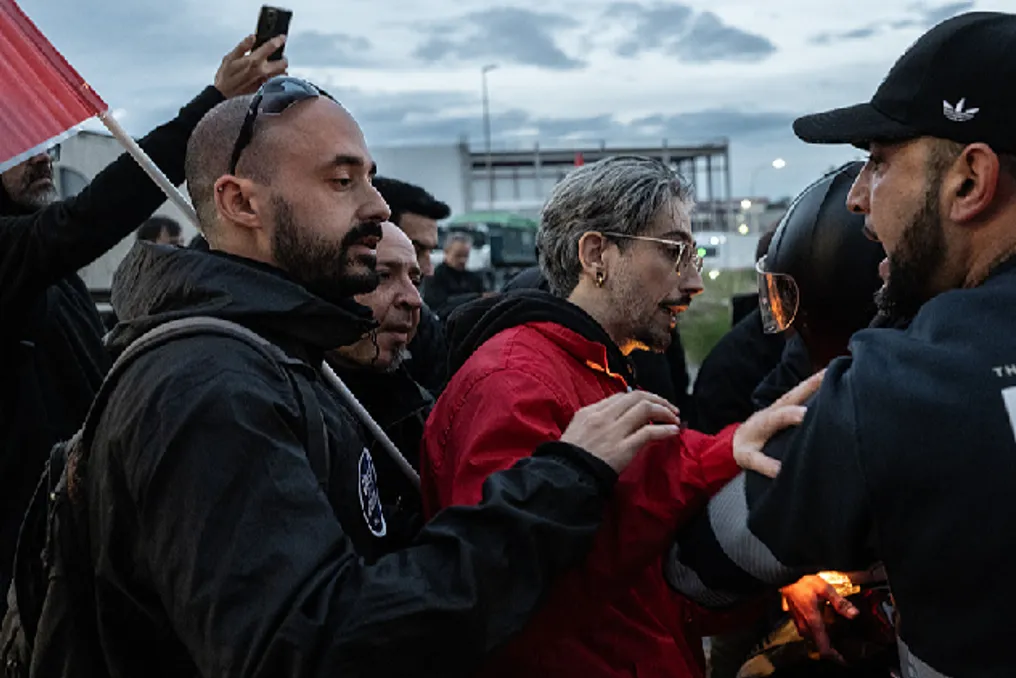
A general strike took place on Wednesday, involving approximately four million Spanish workers, which accounts for about one-fifth of the total employed in the country. The strike was organized by the country's main trade unions and was the first of its kind in the last 14 years.

Workers in Spain overcame adverse weather conditions to organize pickets. Mass demonstrations took place in Madrid, Barcelona, and other cities across Spain.

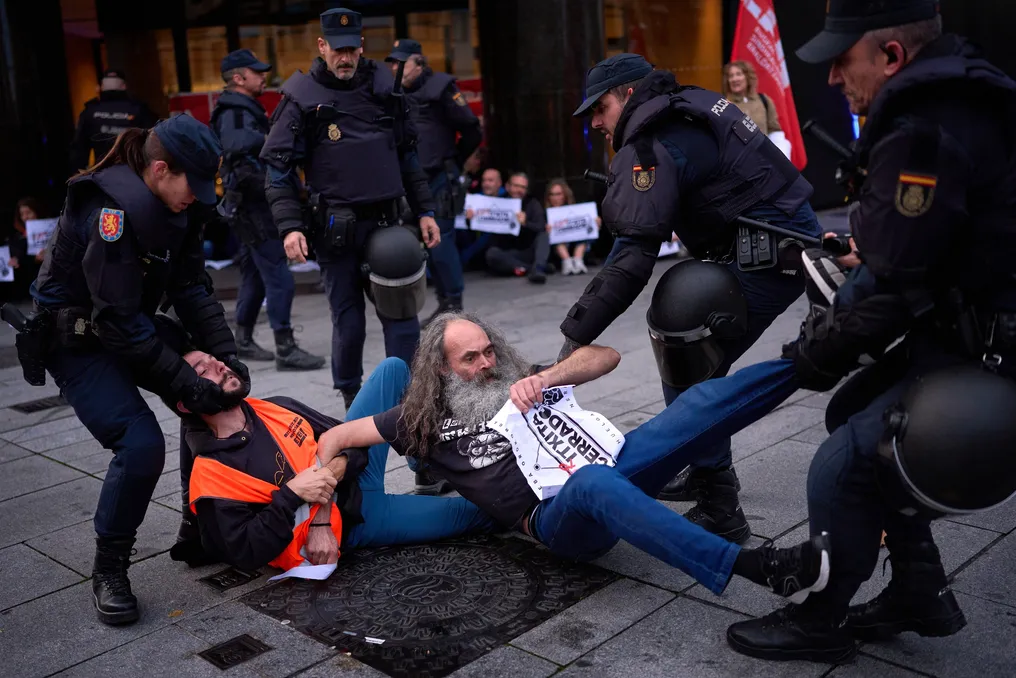
Around 120,000 people took to the streets in Madrid, while over 50,000 participants protested in Barcelona. In the evening in Barcelona, clashes occurred between police and some demonstrators; video footage shows masked protesters setting fire to trash bins and smashing shop windows, prompting the police to use tear gas. Many shops in the city closed and were barricaded in anticipation of unrest.

According to the police, at least 73 arrests were registered nationwide by 9:00 PM Greenwich Mean Time related to the general strike, including blocking offices and industrial areas, as well as burning waste containers.

The strikes caused serious disruptions in transport and other public services across Spain, reflecting growing public dissatisfaction with the deteriorating housing situation in the country.

According to the country's central bank, there is a housing deficit of about 750,000 homes in Spain, and this figure is expected to exceed one million by 2028.

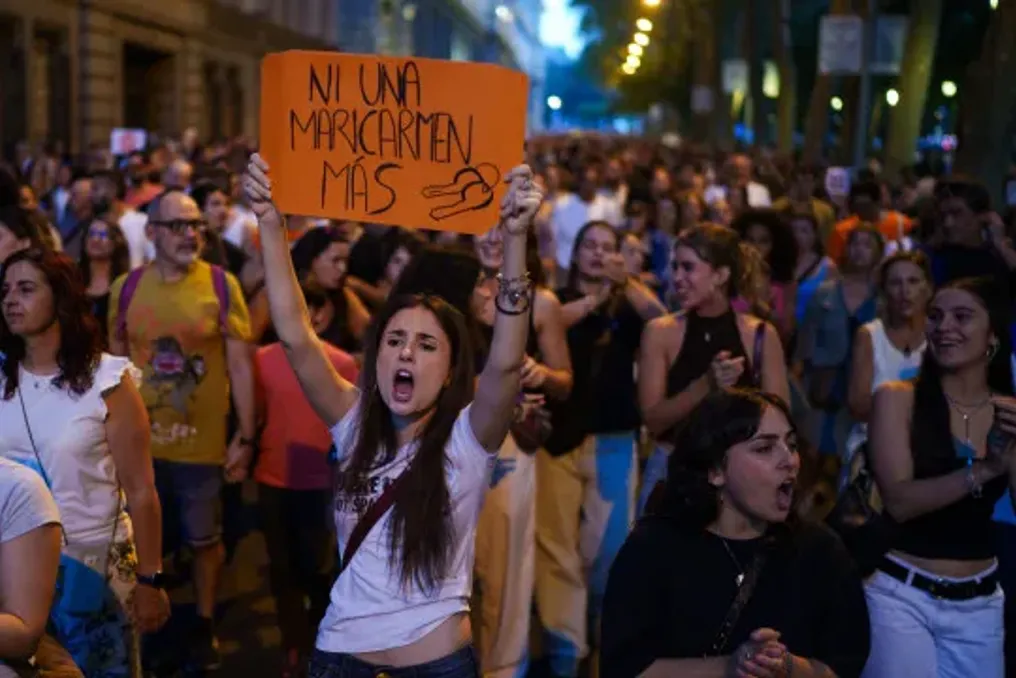
Public outrage intensified after the eviction of 87-year-old Carmen Abascal from an apartment in Madrid where she had lived for seven decades. Abascal passed away in the hospital several weeks after this incident.

As fewer people can afford housing, the rental market has sharply increased, putting pressure on it. According to the Spanish Youth Council, the average rent of 1,176 euros ($1,315 USD) is equivalent to approximately 98.7% of the average monthly income of a young person in Spain.

Madrid resident José González, who works in the hospital's IT department and supports the strike, stated: 'I am 36 years old and still cannot live alone. Rent is constantly rising, housing prices are constantly increasing, and it is simply impossible.'
Similar stories

Major general strike in Spain by millions of workers over sharp rent increases
Read more
www.aajtak.in

Major general strike in Spain by millions of workers over sharp rent increases

Millions of workers participated in a nationwide general strike in Spain on Wednesday. This is the first such strike in the last 14 years. Employees are demanding that the government take decisive measures to address the growing housing crisis and control rent prices.

The strike is expected to affect public transport, factories, shops, and commercial activities. At the beginning of the strike, streets in Barcelona were blocked, and roads were closed in some places by burning tires. Additionally, clashes occurred near Madrid between demonstrators and police near the country's main wholesale market. At midnight in Barcelona, workers gathered in public squares and set off fireworks.

Two major trade unions, UGT and CCOO, announced mass work stoppages in the early hours of the strike. According to them, 90% of jobs were affected in the automotive and port sectors, 85% in the meat industry, 82% in waste management, and 75% in the energy sector.

Discontent over rising rents in Spain over the past decade, when the average rate almost doubled, intensified after an incident last month in Madrid. In this incident, an 87-year-old woman named Marikermen was evicted from her home, which subsequently led to her death. This woman has become a symbol for people suffering from expensive rent and unable to afford housing.

Housing activists called for the strike following this case. They insist on stopping tourist apartment operations, banning real estate speculation, and automatically renewing contracts to protect tenants. The unions also demand more active government intervention in the housing market and new minimum wage agreements. The strike's slogan is: 'Wages, Housing, and Prices.'

This strike comes shortly before elections in Spain. The left-center coalition government of Prime Minister Pedro Sánchez aims to make the housing crisis a key issue in the elections. Sánchez announced elections for October 5 to gain another four years in power. However, at this time, an air disaster that claimed 69 lives diverted attention from the election campaign and shifted it to the housing issue.

On the other hand, the conservative People's Party and the right-wing Vox party oppose government intervention in the housing market. They argue that the unions are striking for political gain. A representative of the People's Party, Miguel Telado, called it not a general strike but an electoral strike. Analyst Oriol Bartomius believes that if violence or vandalism occurs in shops during the strike, it could benefit the right-wing parties, who might raise the issue of restoring law and order, calling it chaos.

Spain holds first general strike in 14 years over wages and housing
Read more
noticiasaominuto.com

Spain holds first general strike in 14 years over wages and housing

Spain is preparing for its first general strike in 14 years, scheduled for midnight (23:00 Lisbon time today), aimed at defending the rights to decent housing and wages. The strike will last 24 hours and takes place against the backdrop of the start of the election campaign scheduled for November 29th.

This nationwide protest was announced following the Prime Minister, socialist Pedro Sánchez's, announcement of early national elections, and union centers have characterized it as 'atypical.' In addition to participating in the strike, unions have called for mass rallies and demonstrations, including marches planned for Wednesday evening in various cities, including central Madrid.

According to union centers, the success of this 24-hour protest will depend primarily on participation in rallies rather than on influencing the activity of the country's businesses and services. The call for the strike was initiated by the two largest Spanish unions (CCOO and UGT) in response to demands from associations gathered in the Tenants Confederation, which advocates for the right to housing and mobilized thousands of people in the streets of Spain since September 23rd.

CCOO and UGT appealed to the country's citizens to mobilize for improved wages, guaranteed decent housing, and price control amid inflation that undermines purchasing power. The first demand of the unions and associations supporting this call is that 'all state administrations promote policies that end real estate speculation.'

The announcement of the strike during an election period has drawn criticism from business associations and right-wing opposition parties. Business groups have questioned the legality of the action, arguing that it is not focused on labor issues, and have also questioned its timing given the upcoming elections on November 29th. Antonio Garamendi, president of the Spanish Confederation of Business Organizations, noted that the strike has a 'clear political and electoral component' and appears aimed at the opposition rather than the ruling left-wing government.

Major opposition parties, the Popular Party (PP, right-wing) and Vox (far-right), have also criticized the strike, emphasizing that it occurs just before the elections and is the first organized by unions in 14 years and since Sánchez took office in 2018. Borja Sempere, a representative of the PP, stated: 'This decision is essentially political, with the intention of promoting political actions by Pedro Sánchez.' The PP highlighted that the 'unions agreed' after eight years of governments led by Sánchez, whose 'major failure' is the housing issue, as house and rent prices have risen sharply in recent years.

Meanwhile, Prime Minister and leader of the Spanish Socialist Workers' Party, Pedro Sánchez, stated that there 'will be a general strike on one issue'—access to housing, which he believes 'affects many workers and their families,' and therefore 'the only thing the government can do is respect this constitutional right.'

Unions insist that the general strike was conceived before the election announcement and has multiple targets, including CEOE, regional governments, or the central executive body. The last general strike in Spain, organized by UGT and CCOO, took place in 2012.

According to a poll published Monday by the newspaper El País, 48.8% of respondents do not support the strike, while 46.3% agree with the protest. However, the same poll showed that 53% condemn the housing camps that were created—and still exist in many cities—after the eviction of Mari Carmen Abascal, an 87-year-old woman, on September 23rd.

The 24-hour strike takes place just before the official start of the election campaign, set for October 5th by Pedro Sánchez, amidst street protests against the housing crisis and after right-wing forces rejected government decrees with measures in this area in parliament. On Thursday, the parliamentary standing committee will discuss and vote on the housing decrees, which the government has re-approved.

Popular