Study shows link between long-term exposure to PM2.5 and increased risk of type 2 diabetes
Read more
The times of India
timesofindia.indiatimes.com

Study shows link between long-term exposure to PM2.5 and increased risk of type 2 diabetes

Air pollution can have negative effects not only on the respiratory system. According to a new global review, prolonged exposure to air containing fine particulate matter (PM2.5), which can penetrate deep into the respiratory tract, is associated with an increased likelihood of developing type 2 diabetes.

The review analyzed thirteen previous systematic reviews and meta-analyses concerning the long-term impact of PM2.5 exposure. It was found that for every 10 micrograms per cubic meter increase in PM2.5 exposure, the risk of developing the disease rises by 10% to 16%, raising serious concerns about the broader impact of air pollution on human health.

Anuja Jaiswal, Senior Editorial Assistant at The Times of India, specializes in covering healthcare and heritage topics, possessing 18 years of experience in narrative journalism. She is skilled at presenting complex medical information in an accessible format for readers. During her career, she has gained extensive field experience in Chandigarh, Chhattisgarh, and Western Uttar Pradesh.

Similar stories

Dr. Randip Guleria warns of critical air pollution levels in Delhi threatening health
Read more
www.aajtak.in

Dr. Randip Guleria warns of critical air pollution levels in Delhi threatening health

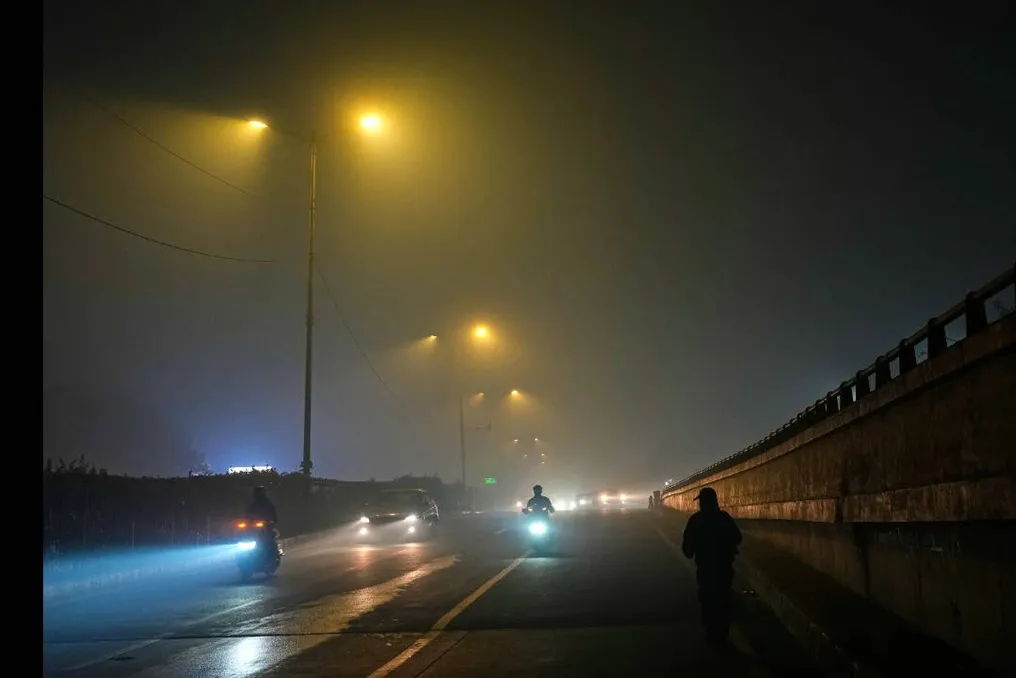
Following Diwali, the air pollution crisis in Delhi has reached a dangerous point, as pollution levels have risen to their lowest recorded level in recent days. An AQI of 1331 was recorded in Delhi, and the impact of toxic particles in the air has begun to affect people's health. Due to the pollution, the number of patients with respiratory problems may increase in the near future, and there is a risk of death for people with existing serious illnesses.

In an interview with India Today Digital, Dr. Randip Guleria, a senior pulmonologist and former director of AIIMS, described the rising pollution as a medical emergency. Dr. Guleria explained that PM2.5 and other harmful pollutants present in the air enter the body through breathing and harm health. The situation becomes extremely serious when pollution levels are so high that standard air quality sensors cannot properly register them.

The greatest danger threatens those suffering from asthma, COPD, or heart diseases. Such patients may suddenly experience worsening symptoms such as shortness of breath, chest tightness, and coughing. In severe cases, oxygen levels can drop, requiring hospitalization.

Dr. Guleria suggested that due to increased pollution, the number of patients seeking care at clinics and hospital emergency departments could increase by 20–30% in the coming days. He noted that the effect of pollution is not immediate but gradual, and there can be a delay of four to six days between the increase in hospital patients and the actual event. Dr. Guleria reminded that last year, many patients sought hospital treatment for respiratory problems; some required stays in wards and intensive care units, and in severe cases, mechanical ventilation.

Even healthy individuals can face unpleasant consequences from pollution. Living in heavily polluted air can cause a healthy person to experience coughing, throat irritation, chest heaviness, and difficulty breathing. Therefore, everyone needs to pay attention to their health right now.

According to Dr. Guleria, he has received reports from many patients complaining of worsening respiratory problems. Some require nebulizers, while others, upon doctor's recommendation, must take short courses of steroids.

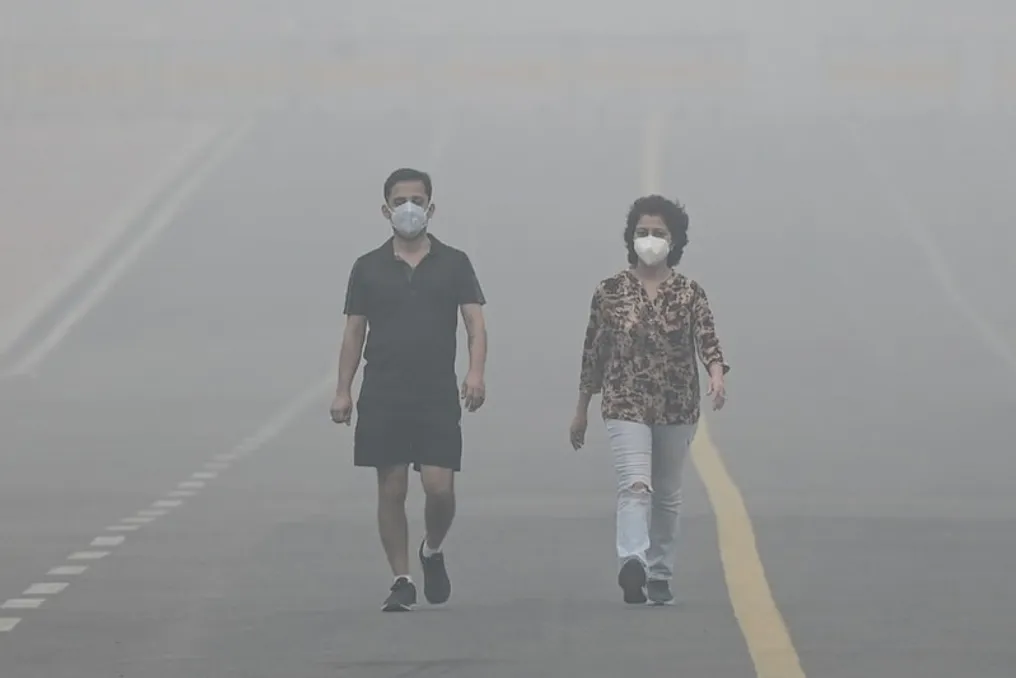
Elderly people, young children, and those suffering from asthma, COPD, and heart disease should exercise extra caution. During heavy pollution, outdoor exposure should be avoided. If going out is necessary, a well-fitting N95 mask should be used. It is essential to take prescribed medications and inhalers regularly.

It is necessary to seek hospital care if you experience the following symptoms: shortness of breath, chest pain, persistent cough, or decreased oxygen levels.

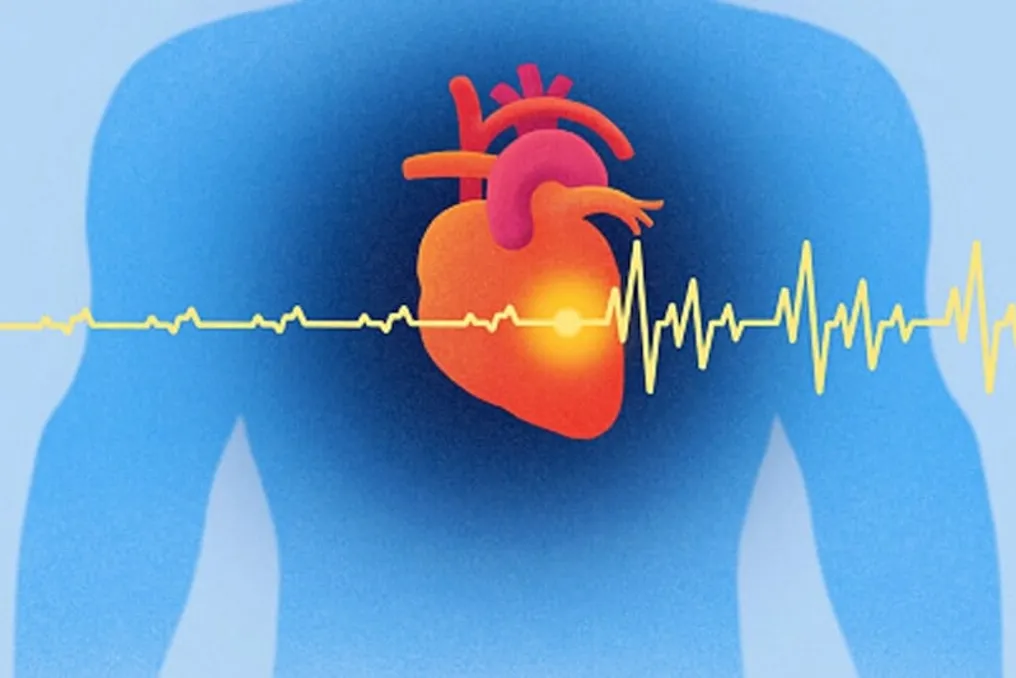
Experts warn: Air pollution affects not only the lungs but also heart health
Read more
www.aajtak.in

Experts warn: Air pollution affects not only the lungs but also heart health

Most people mistakenly believe that atmospheric pollution damages only the respiratory system; however, it also affects the heart. According to data from the Lasentsky Committee on Pollution and Health, a significant portion of deaths worldwide is linked to cardiovascular diseases, ischemic heart disease, and strokes caused by pollution.

Therefore, it is crucial to take measures to protect against pollution, especially for those who already suffer from heart conditions. The impact of pollutants on the heart occurs through microscopic particles such as PM 2.5. These particles are so small that they penetrate deep into the lungs and enter the bloodstream.

Once in the blood, they disrupt the function of blood vessels, contribute to increased blood pressure, and interfere with the rhythm of heart contractions. In people with existing hypertension, this condition is exacerbated, increasing the risk of a heart attack or stroke.

Dr. Akshai Buddiraja, Senior Consultant and Head of Respiratory and Sleep Medicine at Akash Healthcare, notes that Delhi is already facing poor air quality, and smoke from Diwali fireworks exacerbates this problem, negatively affecting the heart and potentially causing heart attacks.

Cardiologist Dr. Rajendra Patil emphasizes that the impact of air pollution goes beyond simple shortness of breath or coughing. When the body comes into contact with a large amount of particulate matter, inflammation develops, the inner lining of the blood vessels is damaged, and the load on the heart increases. This raises the probability of a heart attack, arrhythmia, and exacerbation of heart failure in vulnerable individuals.

Elderly people, as well as those suffering from diabetes, high blood pressure, or coronary artery disease, should exercise extra caution in poor air conditions.

Festivals are a time for family gatherings, but this should not come at the cost of health. During Diwali, there is a sharp increase in particulate pollution, which poses a serious threat to children, the elderly, and patients with heart and lung problems.

Although external polluted air cannot be controlled, one can manage one's exposure to it. To protect the heart during periods of pollution, it is recommended to maintain hydration, avoid being outdoors when the Air Quality Index (AQI) is poor, refrain from morning and evening walks, minimize heavy labor and physical exertion outdoors, keep windows closed, and use air purifiers if possible.
Increased air pollution may worsen problems in people with obesity, doctors advise
Read more
www.aajtak.in

Increased air pollution may worsen problems in people with obesity, doctors advise

Given that air pollution levels in areas such as Delhi-NCR and many other parts of the country are currently elevated, there is concern about its impact not only on children and the elderly but also on people suffering from obesity. Doctors emphasize that overweight individuals should exercise extra caution under conditions of rising pollution.

Dr. Manshi Nigam, a physician at Kailash Deepak Hospital, notes that increasing atmospheric pollution poses a serious problem for people with obesity. The consequences of this phenomenon go beyond simple breathing difficulties. Since people with obesity may already have elevated levels of inflammation in their bodies, exposure to polluted air can exacerbate this situation.

Fine particles present in the pollution enter the lungs along with inhaled air, where they can intensify inflammation and oxidative stress in the body. Simply put, this can damage body cells. Because an inflammatory state may already be present with obesity, the combined effect of these factors can lead to worsening health problems.

According to Dr. Manshi, rising air pollution can also negatively affect metabolism. Pollution is linked to increased insulin resistance, which prevents the body from properly utilizing insulin and complicates blood sugar control. This, in turn, increases the risk of developing type 2 diabetes. Furthermore, the likelihood of developing heart problems, high blood pressure, and asthma increases. For people with obesity who already have respiratory diseases, the situation can become even more severe; such cases are observed when heavily obese individuals begin experiencing breathing difficulties due to air pollution. Therefore, it is crucial to monitor one's health.

People suffering from obesity are advised to avoid being outdoors in conditions of heavy pollution. Any physical exercise should be done indoors. If shortness of breath or chest pain occurs, a medical examination is necessary. It is also important to take prescribed medications on time.

Popular