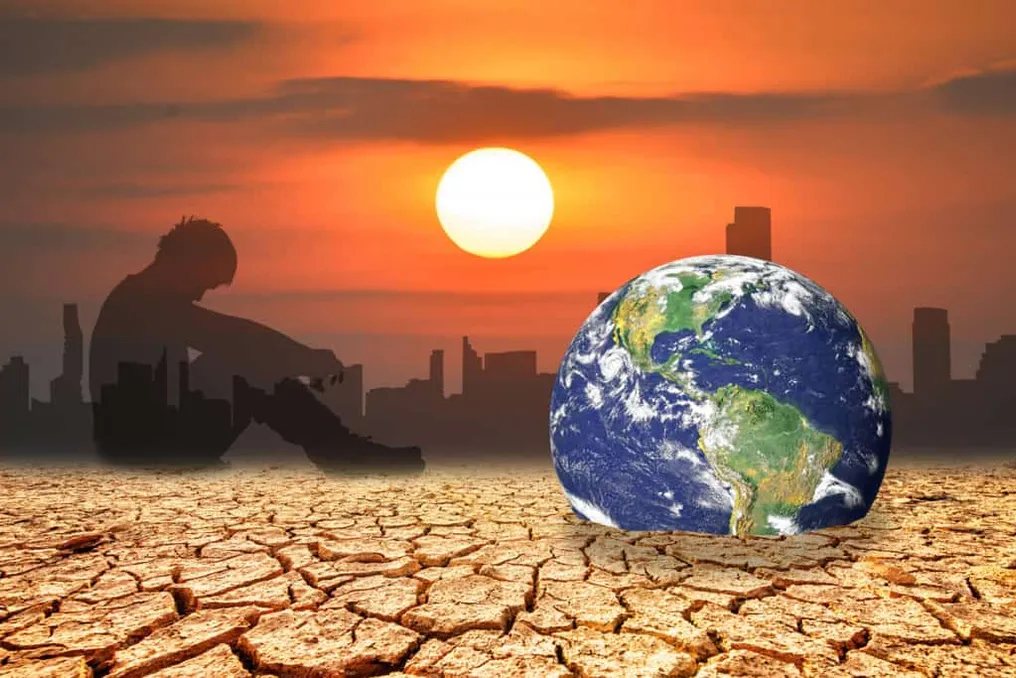
Climate change has ceased to be solely an environmental issue; it has transformed into a serious problem related to food security, energy self-sufficiency, healthcare, the economy, and the future of human civilization. Earth's temperature is constantly rising, glaciers are melting, sea levels are rising, and weather conditions are changing rapidly. Droughts are observed in some areas, while natural disasters such as floods and cyclones bring destruction to others. The frequency of forest fires and extreme heat is also increasing. These threats are not just future concerns but a current reality.
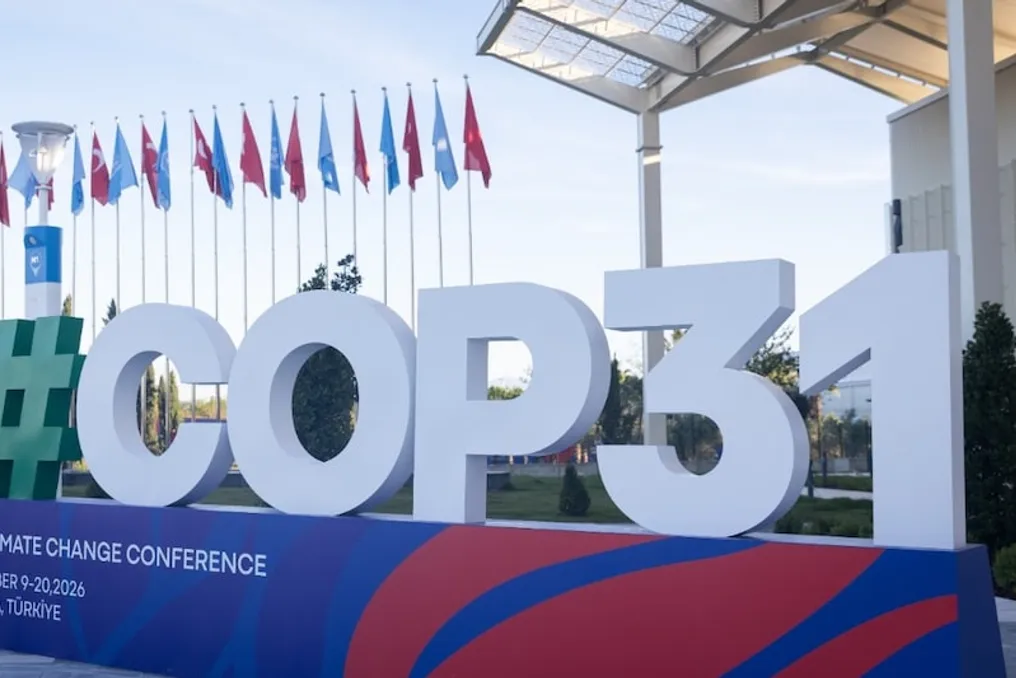
In such conditions, the international climate change conference COP-31, which began on November 9 in Antalya, Turkey, is of immense importance to the entire world. Until November 20, representatives from about 197 countries, as well as scientists, politicians, and public organization representatives, participate in the conference. The main goal of the summit is to put climate promises into practice. The success of the event will depend on how effective the countries' steps are in reducing emissions, implementing clean energy, and providing aid to countries affected by the climate crisis.
Many international climate summits have taken place over the last three decades. In 2015, the goal of controlling global temperature rise was established under the Paris Agreement. Despite this, greenhouse gas emissions continue to rise. This clearly shows that signing agreements and declarations alone are not enough. What is needed now are decisions that are subject to timely review and demonstrate visible results. This is why COP-31 emphasizes making it an implementation conference.
Countries must report on progress in achieving their climate goals and develop actionable plans to reduce emissions. The main cause of the climate crisis is the excessive use of fossil fuels, such as coal, oil, and natural gas. Greenhouse gas emissions resulting from their burning raise the planet's temperature. At COP-28 in Dubai in 2023, the necessity of phasing out fossil fuels in energy systems was recognized for the first time. However, clear deadlines and an action plan for this transition remain a serious challenge. To solve this problem, expanding solar and wind energy, developing energy storage systems, modernizing power grids, and promoting electric vehicles are crucial. It is also important to implement technologies in industry that reduce energy consumption. But the energy transition should not be limited only to replacing electricity generation methods. It is also necessary to ensure the employment and livelihoods of workers in traditional energy sectors, such as the coal industry. The transition to clean energy must be one that does not create an additional financial burden for poor populations and workers. This is called a just energy transition.
The biggest paradox of the climate crisis is that developed countries, which historically had higher emissions, possess greater resources to combat it. On the other hand, developing and small island states suffer the most from the consequences of climate change. These countries need funding not only for clean energy projects but also for combating floods, managing droughts, conserving water resources, protecting coasts, and climate-resilient agriculture. Furthermore, a system for compensating losses and damages for people affected by climate disasters is important.
Developed countries must provide developing countries with sufficient financial support and modern technologies. This aid should not only be provided in the form of loans, as additional burdens of high interest rates can become an unbearable burden for countries already facing economic pressure. The demand for climate justice is that the greatest burden of the crisis should not fall on those who contributed least to its emergence.
At COP-31 on November 11, the concept of Zero Waste became a key issue. Proper waste management is also an important means of combating climate change. Organic waste accumulating in landfills emits methane—a greenhouse gas much more potent than carbon dioxide. Therefore, it is necessary to separate waste, recycle, compost, reuse items, and reduce food waste.
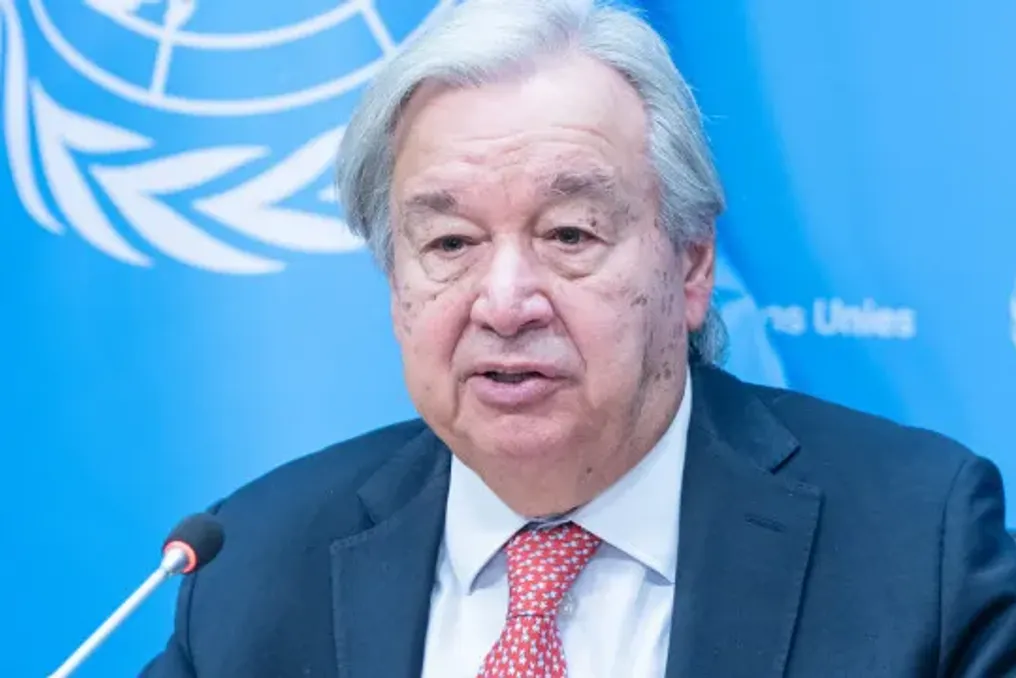
On the same day in Antalya, a two-day meeting of world leaders began. UN Secretary-General António Guterres stated in his address the need to remove fossil fuels from history, similar to dinosaurs. He expressed concern about the slow pace of climate action and urged countries to act faster. High-level discussions on the development of clean energy, electrification, and green industries also took place at the conference.
India presented its position at COP-31 on November 10, insisting on the priority of climate justice, equality, and financial assistance. India stated that developed countries must fulfill their obligations to provide financial resources to developing countries in accordance with Article 9.1 of the Paris Agreement. India also emphasized the importance of adhering to the principle of common but differentiated responsibilities and respective capabilities (CBDR-RC). This means that all countries are responsible for combating climate change, but their obligations must differ depending on their historical role, economic status, and potential. India believes that the transition to clean energy must provide energy to developing countries...