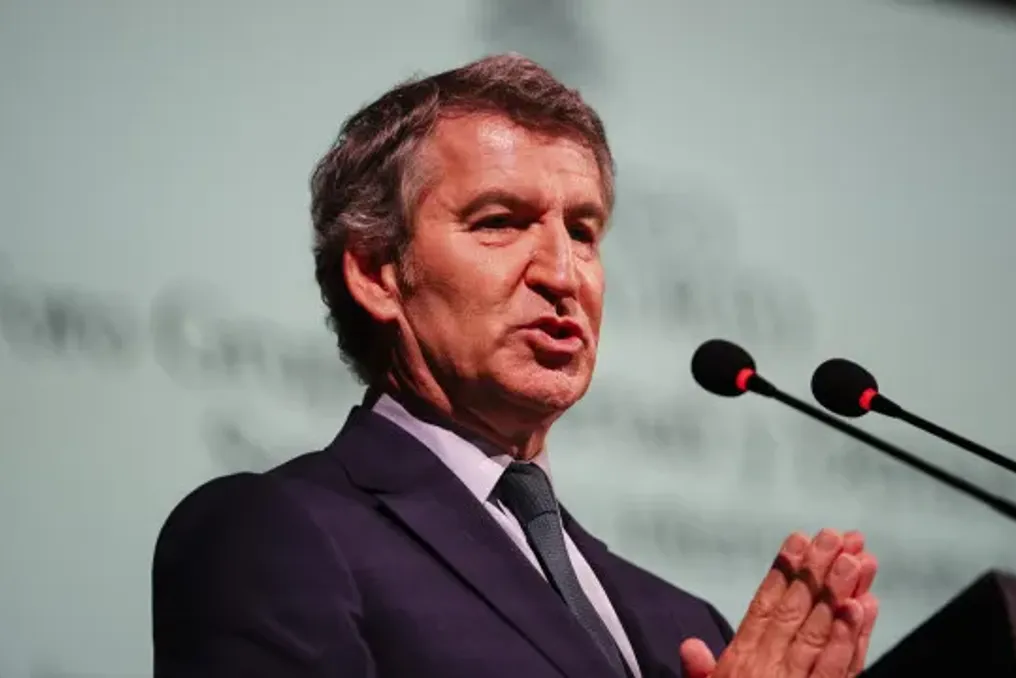
Alberto Núñez Feijóo, president of the Popular Party (PP) and opposition leader, declared that the general strike held in Spain on that day was a failure. He emphasized that the event constituted an electoral strike directed against the opposition.
In an interview with the program El Hormiguero, from the Antena 3 station, Feijóo stressed that even in public services observed, such as health and education, the success of the strike was unequivocally a failure. The candidate for government leadership maintained that the paralysis was a 'disguised electoral campaign act' orchestrated by the unions.
The PP leader added that it is crucial for unions to defend solely the interests of workers, and not those of political parties, especially with the election campaign about to begin. Feijóo mentioned that he had requested the unions to cancel the strike, a request that was intensified after the railway accident in Urda (Toledo), but which was not granted, characterizing this stance as a 'historical error of the unions.'
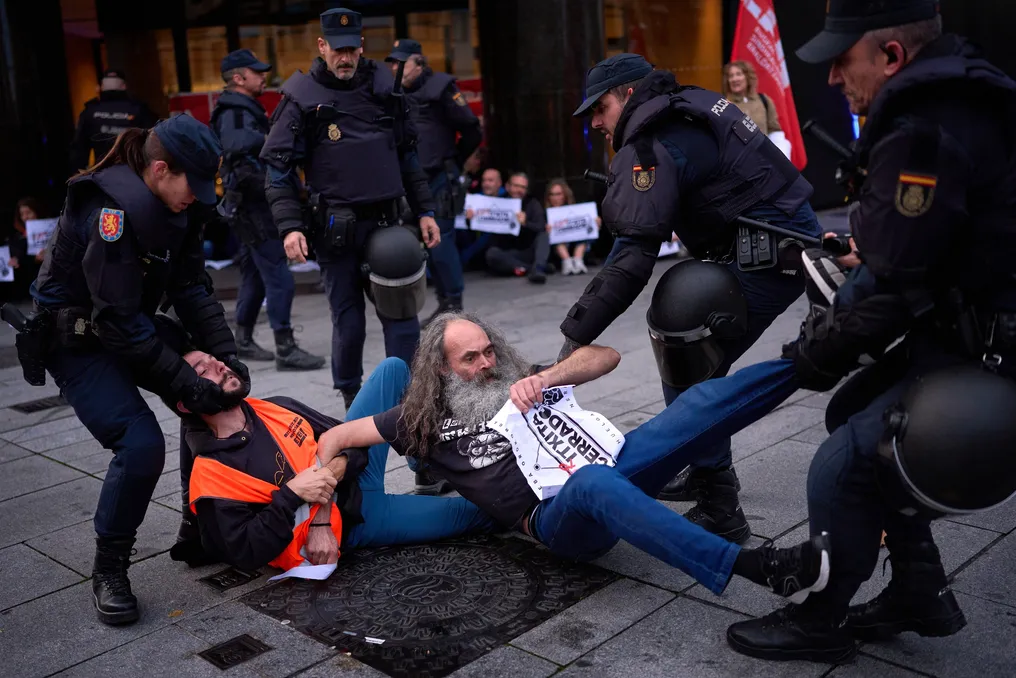
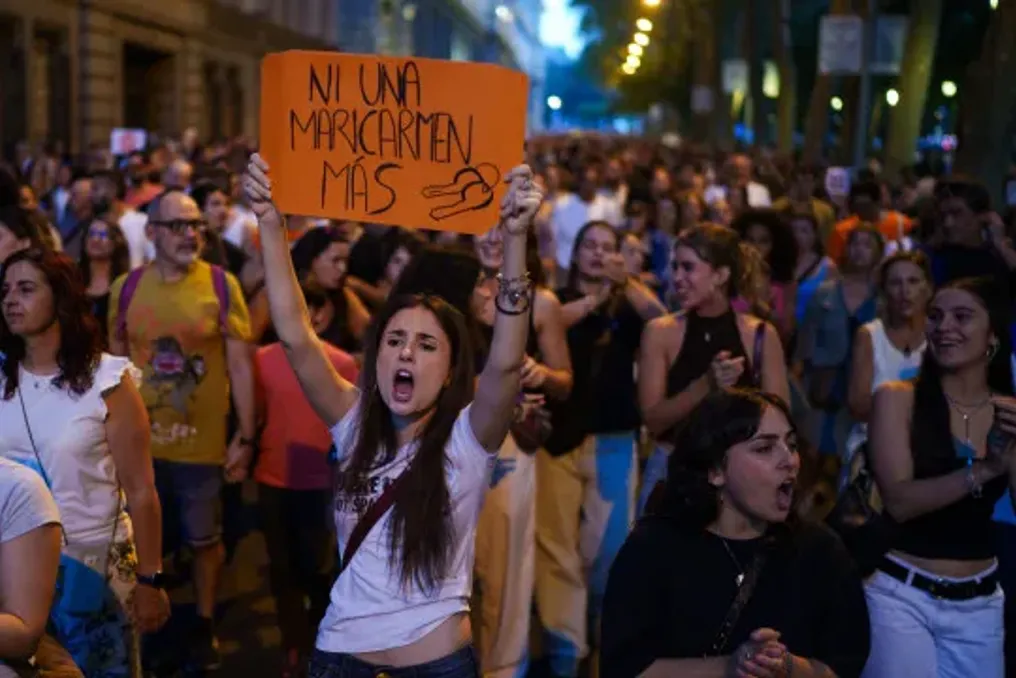
Thousands of people participated in the demonstrations held in various Spanish cities, on a day of general strike called by the country's union centers with the objective of demanding 'decent housing and wages'. The demonstrations were scheduled for more than 50 Spanish localities. In Madrid and Barcelona, security forces and local authorities counted 120 thousand and 55 thousand participants, respectively.
However, the Tenants' Union association, which organized the demonstrations with the union centers, reported a higher number, claiming that 400 thousand people attended the march in Madrid. During the demonstrations in cities such as Madrid, Barcelona, Basque Country, or Valencia, dozens of protesters were arrested for disorder and disobedience, in addition to confrontations with security forces.
This was the first general strike in 14 years in Spain and occurred in the middle of the pre-campaign period for the early legislative elections scheduled for November 29. The strike was called after the announcement of early national elections by Prime Minister Pedro Sánchez, being classified as 'atypical' by the union centers themselves.
The initiative for the strike and demonstration was motivated by an appeal from the associations gathered in the Confederation of Tenants' Unions, which fight for the right to housing, and was supported by the two main Spanish union centers, CCOO and UGT. Right-wing opposition parties and business groups criticized the call during the electoral period, pointing to a 'clear political component' and suggesting that the focus was on the opposition, and not the incumbent left-wing Government. On the other hand, the national left-wing Government defended the right to strike, informing that its ministers had a free schedule that day.