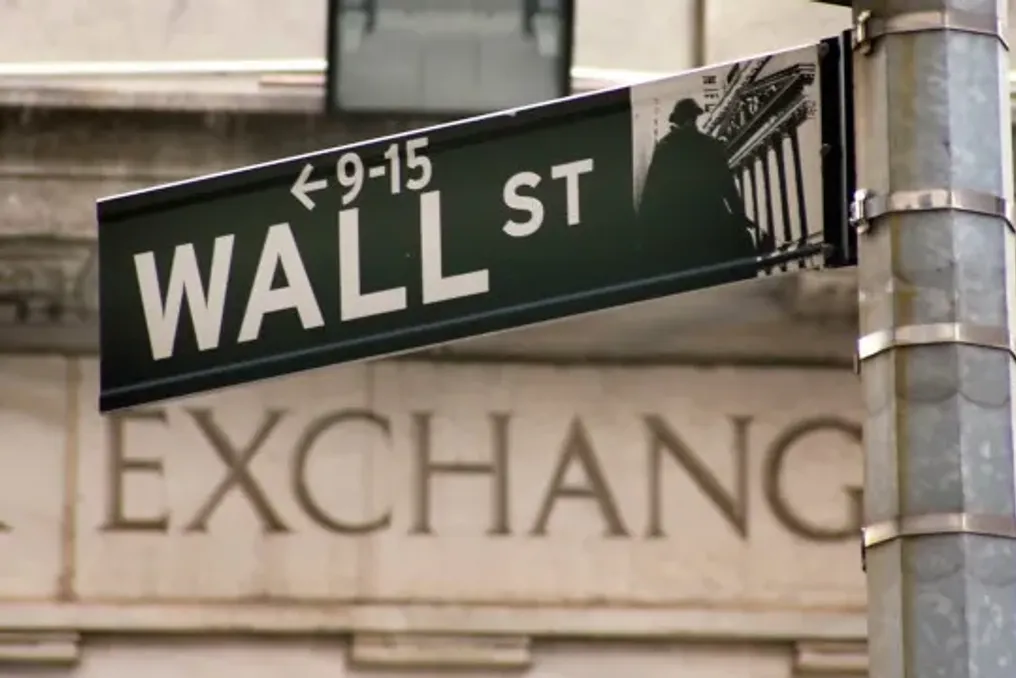
Wall Street closes higher driven by optimism over tech company results
Read more
Noticias ao Minuto
noticiasaominuto.com

Wall Street closes higher driven by optimism over tech company results

The New York stock exchange registered a positive close, supported by the recovery in the value of technology companies, a movement stimulated by the quarterly reports recently released by CoreWeave, a remote computing company.

Daily indicators showed that the Dow Jones Industrial Average rose by 0.49%, while the expanded S&P 500 advanced by 1.31% and the Nasdaq technology index grew by 1.60%.

Peter Cardillo of Spartan Capital Securities told AFP that the market's rise that day is largely due to the robust financial performance presented by CoreWeave.

This company, which operates data centers for artificial intelligence (AI) and rents its computing capacity to large digital groups such as Meta and Microsoft, exceeded expectations in the third quarter and revised its annual projections upwards. As a result, CoreWeave's stock gained 24.71% on the day.

However, in previous months, CoreWeave suffered strong investor pressure, with the stock losing 50% in the last six months due to concerns about its high levels of debt. For some specialists, it has become a symbol of these apprehensions regarding high indebtedness in the AI sector.

Nevertheless, CoreWeave's results managed to calm concerns in a sector that experienced great volatility in recent weeks, according to the interpretation of Briefing.com analysts.

Taking advantage of this shift in market sentiment, stocks such as AMD (+7.32%), Micron (+11.89%), Broadcom (+3.99%), and Intel (+7.46%) posted gains. Cardillo also highlighted that Nvidia also rose by 2.87% that day, after two weeks of sharp decline associated with a scandal involving its executive Jensen Huang, who admitted to having a relationship with a woman suspected by US intelligence services of being a Chinese agent, something he has already denied.

Briefing.com analysts observed that CoreWeave's growing capital needs and the cost of debt continue to overshadow operational advances in profitability.

Peter Cardillo predicted that the next significant test for AI companies will occur on Tuesday, when Nvidia releases its quarterly results. Furthermore, the first stock movements of Anthropic, creator of the AI assistant Claude, are expected next week.

It was precisely Anthropic that motivated the drop recorded in Microsoft (-2.26%) that day. Briefing.com analysts attribute this decline to the launch of a software version by Anthropic, which is considered a competitor to Microsoft products such as Word, Excel, and PowerPoint.

Similar stories

Wall Street closes with sharp decline amid talk of potential market 'bloodbath'
Read more
rtp.pt

Wall Street closes with sharp decline amid talk of potential market 'bloodbath'

The closing session on Wall Street was marked by a sharp decline, with commentary suggesting a potential 'bloodbath' in the financial market. The technology index Nasdaq registered a significant drop of 5.52%, representing the largest devaluation in a year and a half, since April 2025, placing it in a correction phase, defined as a loss exceeding 10% of its previous record, reached in October.

Other important stock market indicators also suffered significant declines, nullifying the profits made the previous day. The extended S&P 500 fell by 4.35%, while the more selective Dow Jones Industrial Average decreased by 3.44%.

Jose Torres from Interactive Brokers observed that the market was expected to have overcome the crisis after the post-election recovery, but a true 'bloodbath' suddenly occurred on Wall Street.

Investors are evaluating the results of the midterm elections as a limiting factor for the advancement of artificial intelligence (AI). This is because several Democratic candidates opposed the installation of data centers in their electoral districts during the campaign, citing negative impacts on populations and territories.

Additionally, residents of dozens of cities in the United States approved restrictions or even prohibitions for data centers on Tuesday, whose proliferation requires massive energy consumption.

Conglomerate technology companies focused on semiconductors, which had already shown considerable setbacks on Wednesday, intensified their losses on the current day. Notable examples include Broadcom (-10.15%), Micron (-17.77%), AMD (-17.39%), and Intel (-10.39%).

Nvidia, which holds the second-largest global market capitalization, recorded a retraction of 8.91%, equivalent to a devaluation of 400 billion dollars. The so-called Magnificent Seven—which includes Nvidia, Meta, Alphabet, Microsoft, Amazon, Apple, and Tesla—saw their combined market capitalization decrease by 800 billion dollars, an amount greater than Sweden's Gross Domestic Product.

Art Hogan from B. Riley Wealth Management told AFP that 'since doubts arose about the investment amounts in data centers, investors have reacted particularly violently.'

Historically, Wall Street's rapid rise in recent years has been driven by enthusiasm for AI. However, the loss recorded on this day was generalized, affecting traditional assets as well.

Patrick O'Hare from Briefing.com anticipated, when questioned by AFP, that 'investors are very sensitive to this weakness in quotes and expect volatility to decrease to return to penalized values and gain from this drop.'

The market was also impacted by the recovery of oil prices the day after a sharp drop, according to analysts. After the election euphoria, investors adopted a more cautious stance due to the lack of concrete progress in the Middle East.

This risk aversion benefited federal debt, as its bonds are considered safe-haven assets. In 10-year bonds, the yield—which varies inversely with prices—fell from 4.898% the previous day to 4.84%.

Challenges related to AI may overshadow the official employment report scheduled for Friday in October. Patrick O'Hare predicted that 'if the numbers confirm the solidity of economic activity, they could cause a nice recovery movement in the markets.' The expected unemployment rate is 4.2%, indicating stabilization.

Nasdaq falls 5.52% on Wall Street amid concerns over data centers and AI
Read more
noticiasaominuto.com

Nasdaq falls 5.52% on Wall Street amid concerns over data centers and AI

The New York Stock Exchange registered a sharp decline today, driven by the devaluation of technology company stocks. Investors appear to be anticipating a slowdown in data center growth, reflecting the Democratic victory in the US legislative elections.

The technology index Nasdaq closed with a 5.52% drop, marking the largest retraction in a year and a half (since April 2025). This performance places the index in a correction phase, defined as a loss greater than 10% from its previous peak, reached in October.

Other important financial market indicators also showed significant declines, nullifying the profits made the previous day. The S&P 500 index fell 4.35%, while the more selective Dow Jones Industrial Average dropped 3.44%.

Jose Torres of Interactive Brokers commented that the market had been perceived as recovered after the elections, but a real 'bloodbath' suddenly occurred on Wall Street.

Investors are interpreting the results of the legislative elections as a brake on the advancement of artificial intelligence (AI). This is because several elected Democrats expressed opposition during the campaign against the installation of data centers in their jurisdictions, citing negative impacts on the population and territories.

Additionally, residents of dozens of American cities approved restrictions or even prohibitions for data centers on Tuesday, whose proliferation requires massive energy consumption.

Semiconductor-focused technology companies, which had already suffered considerable drops on Wednesday, intensified their losses today. Examples include Broadcom (-10.15%), Micron (-17.77%), AMD (-17.39%), and Intel (-10.39%).

Nvidia, which holds the second-largest global market capitalization, recorded a drop of 8.91%, equivalent to a devaluation of 400 billion dollars.

The so-called Magnificent Seven—a group consisting of Nvidia, Meta, Alphabet, Microsoft, Amazon, Apple, and Tesla—saw its combined market capitalization decrease by 800 billion dollars. This amount exceeds the Gross Domestic Product of Sweden.

Art Hogan of B. Riley Wealth Management observed that 'since doubt arose about the investment amounts in data centers, investors have reacted particularly violently.'

Historically, the rapid rise of Wall Street in recent years has been fueled by enthusiasm for AI. However, today's loss was comprehensive, affecting traditional assets as well.

Patrick O'Hare of Briefing.com predicted that investors are very attentive to this fragility in quotes and await a reduction in volatility so that penalized values can recover.

Furthermore, the market was impacted by the recovery of oil prices the day after a sharp fall, according to analysts.

After the election euphoria, investors returned to a more cautious stance due to the lack of concrete developments in the Middle East. This risk aversion benefits federal debt, as its bonds are seen as a safe haven.

In 10-year federal bonds, the yield—which moves inversely to prices—decreased from 4.898% the previous day to 4.84%.

Challenges related to AI may overshadow the official employment report expected on Friday in October. However, Patrick O'Hare anticipated that if the data confirms the robustness of economic activity, it could trigger a significant recovery movement in the markets. The expected unemployment rate is 4.2%, indicating stabilization.

Financial sector shows caution in using AI for code generation due to high operational risks
Read more
iol.co.za

Financial sector shows caution in using AI for code generation due to high operational risks

Despite growing discussions about artificial intelligence (AI) in the modern workplace, most financial institutions use this technology significantly less often than companies in the broader business sector.

According to a study by Kaspersky, a global cybersecurity and digital privacy firm, only 23% of banking, financial, and insurance (BFSI) companies are applying AI for software programming. This figure is substantially lower than the industry average of 34%, representing an 11 percentage point lag.

This gap indicates that while major technology providers actively promote generative coding assistants such as Cursor and GitHub Copilot, financial institutions exercise much greater prudence, and this has serious justification.

Operational stakes in the financial sector are much higher than many outside this sphere might appreciate. A single software failure deployed in high-frequency trading pipelines or core ledgers can trigger catastrophic system failures, serious capital calculation errors, or critical regulatory breaches.

Technical concerns are compounded by a widespread management issue: 37% of BFSI executives surveyed indicated that employees use unauthorized tools—including public models like ChatGPT or DeepSeek—as a frequent and persistent risk. This percentage significantly exceeds the global industry average of 30%.

In practice, this means an engineer or analyst might turn to an external, unauthorized AI platform outside the enterprise's controlled architecture, instantly creating serious risks for confidentiality and disclosure of sensitive financial or proprietary client data. Such unauthorized use effectively bypasses enhanced defensive barriers, rendering formal perimeter controls and compliance protocols obsolete.

Meanwhile, while industry discourse remains heavily focused on automating legacy coding tasks and reducing routine costs, Paul Banting, co-founder of growthguru.ai, warns that operational efficiency alone is insufficient to serve as the primary corporate objective.

Banting explained: 'Approximately 79% of executives expect AI to drive significant revenue growth by 2030, up from the current 40%. However, only 24% have a clear idea of where this future profit will originate. The true goal should be implementing AI to identify urgent commercial gaps and capture high-value market opportunities before competitors do.'

Popular