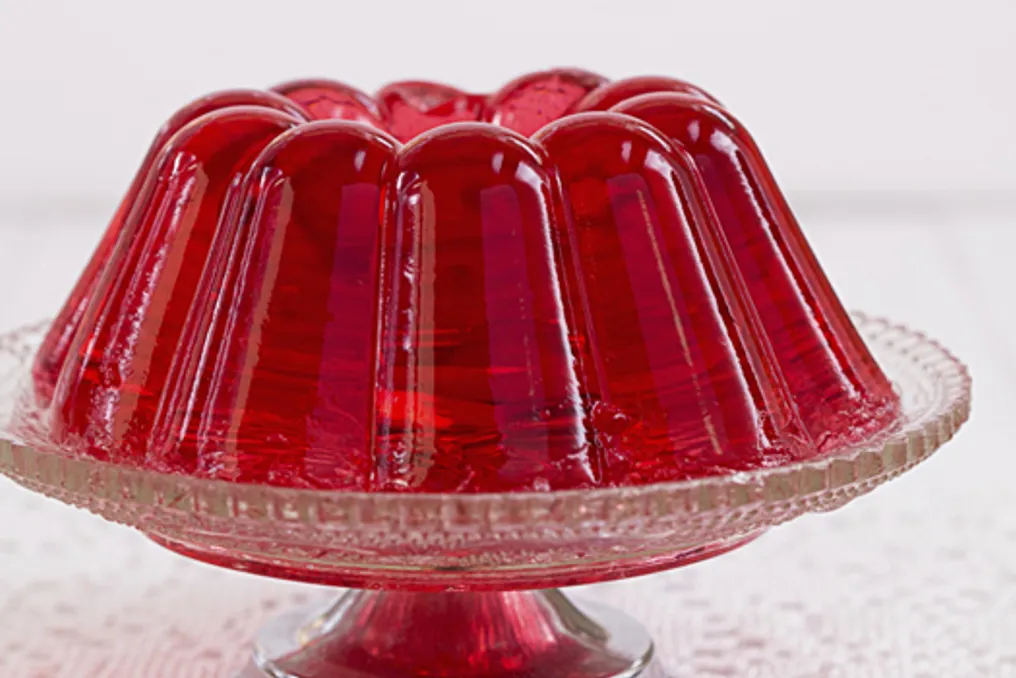
Gelatin, which is a common ingredient in many desserts and various products, originates from the fundamental animal protein—collagen. This component is primarily extracted from beef hide and undergoes a complex industrial process before taking the form we know. In addition to culinary use, gelatin serves as raw material for the pharmaceutical industry and other sectors.
The production of gelatin begins with the preparation of beef hide, which is cleaned and chemically treated to extract collagen. As noted by Alexander Ferreira Costa, a technical specialist at Kraft Foods, the subsequent stages include extraction, filtration, concentration, sterilization, drying, and grinding.
This production cycle yields a colorless powder. During filtration, the collagen is purified by removing fats and fibers. The concentrated solution is then sterilized and dried, resulting in the final powder, which is subsequently milled.
To become the popular gelatin dessert, the colorless powder is mixed with flavorings, colorings, and sweeteners. The magic happens at home during hydration: when the powder dissolves in hot water, water molecules penetrate the collagen protein chains.
Upon cooling, these molecules become trapped, forming bonds that solidify the liquid and give gelatin its characteristic texture. Thus, the product, whose origin lies in beef hide, transforms into a delicious and refreshing dessert.