Three Memoranda on Cooperation in Clean Energy and Fleet Modernization Signed at International Railway Conference
Read more
Tehran Times
www.tehrantimes.com

Three Memoranda on Cooperation in Clean Energy and Fleet Modernization Signed at International Railway Conference

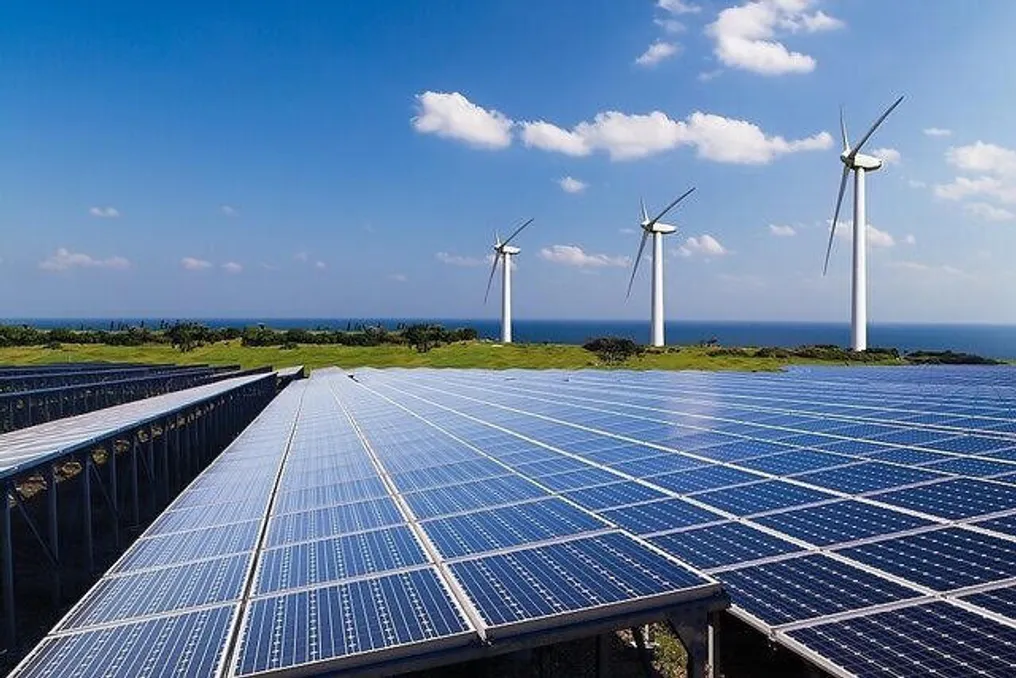
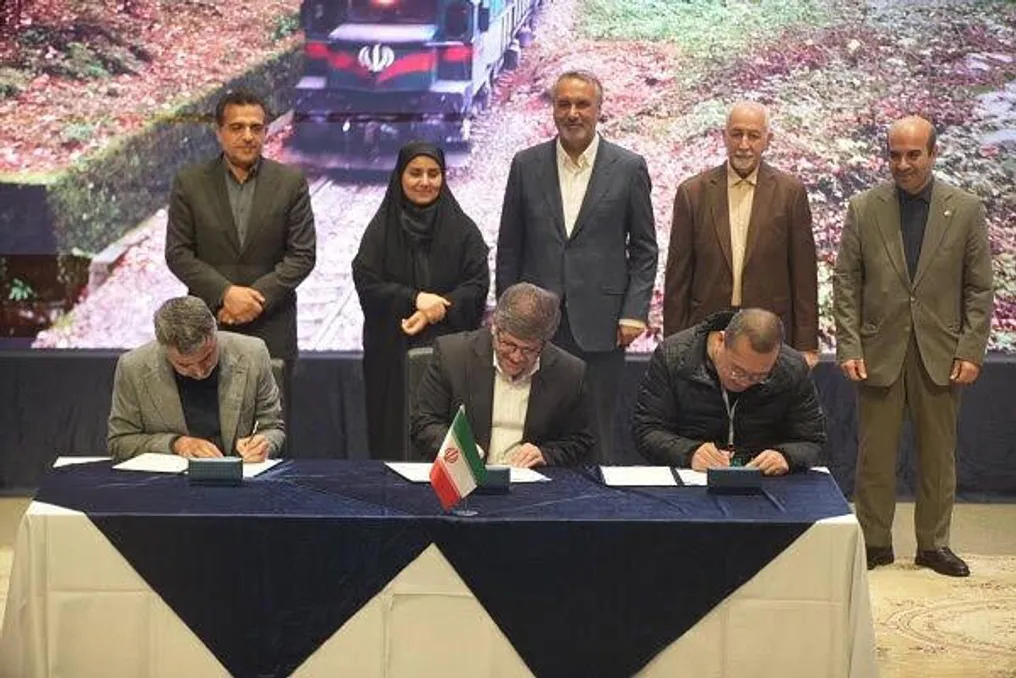
During the XIX International Conference on Railway Transport, three cooperation agreements were signed concerning the construction of solar power plants on railway territories, the supply of 36 fully battery-powered locomotives, and the restoration of 24 non-operational locomotives. The ceremony took place in the presence of the Minister of Transport and Urban Development, as well as several officials and representatives of the railway industry.

According to IRNA, these tripartite investment and partnership memoranda were concluded between the Railways of the Islamic Republic of Iran and various institutions, companies, and groups involved in technology and renewable energy. The main areas of these agreements include the development of clean energy, attracting private investment, updating rolling stock, and increasing locomotive operational capacity.

The first memorandum was signed between the Railways of the Islamic Republic of Iran and the Renewable Energy and Energy Efficiency Organization (SATBA). The goal of this agreement is to create conditions for the private sector to participate in the construction of solar power plants on non-operational sections of railway stations.

The second agreement was signed between the Railways of the Islamic Republic of Iran and Niruafarin Aras Energy. It provides for investment, the supply, and operation of 36 fully battery-powered locomotives for freight and passenger transport. Representatives from both Iranian and foreign consortia attended the ceremony.

The third memorandum was concluded between the Railways of the Islamic Republic of Iran and an investment and technology group including Sadid Fam and Rezvan Power Electronics Industries. The subject of this agreement is investing in the restoration of 24 locomotives that were previously out of service and returning them to the operational cycle.

The Minister of Transport and Urban Development emphasized the need to complete railway corridors and connect ports with production centers via the national network. She noted that developing logistics infrastructure and strengthening regional cooperation are strategic priorities for the country's transport sector.

According to IRNA, Farjane Sadeghi stated at the conference that the development of this sector, in addition to reducing economic costs and energy consumption, contributes to increasing productivity, improving safety, and strengthening national resilience. Therefore, it occupies a central place in the policy, planning, and actions of the Ministry of Roads and Urban Development.

Highlighting the importance of rail transport in crisis conditions, she added that the continuity of transporting vital goods, raw materials for production, and strategic cargo, as well as passenger transport, is necessary to maintain the life and economic cycle in the country.

The Minister also commented on the damage inflicted on railway infrastructure during the war, noting that the damage to seven railway bridges demonstrates the close connection of this infrastructure to the country's resilience and internal connectivity.

Sadeghi continued to speak about the importance of connecting Iran's railway network with neighboring countries, stating that the network must support the country's supply chain through reliable infrastructure, a ready fleet, and qualified personnel. Achieving this goal requires simultaneous attention to fleet development and modernization, infrastructure maintenance, eliminating network bottlenecks, and increasing operational productivity.

The Minister of Transport and Urban Development highlighted Iran's potential in international transport, stating that the country's position at the crossroads of regional routes can bring stable income in foreign currency and economic prosperity if Iran can provide competitive, regular, and reliable services that allow cargo owners to confidently choose the time, cost, and quality of transportation through Iran.

To achieve this goal, she said, the completion of railway corridors, active transport diplomacy, simplification of border procedures, tariff coordination, and the development of regular services are necessary. Of particular importance is the effective connection of ports, production centers, and logistics terminals to the railway network, with private transport and logistics companies acting as the country's main partners in creating and maintaining a competitive advantage.

Regarding the progress of the Chabahar-Zahedan railway project, Sadeghi reported that work began in autumn 2024 on the railway connection from Heshahr to Chabahar via Zahedan. Previously, the Zahedan-Heshahr railway connection was implemented by previous governments, but this route had not yet been connected to the Port of Chabahar, whereas the Zahedan-Chabahar railway connection has strategic and geopolitical significance.

Expressing gratitude to the President for supporting the provision of resources for the Chabahar-Zahedan project, she specified that over the past two years, despite difficult conditions and the start of the war, approximately 40 trillion Tomans have been secured and allocated for this railway, and they hope the project will begin operating within the next one or two months.

The Minister of Transport and Urban Development viewed the President's constant attention to railway development and connecting the network to ports as an indicator of the importance of this issue in the priorities of the XIV government, noting that events in northern ports and restrictions in southern ports demonstrated more than before the importance of port rail connections and the creation of alternative routes for cargo movement.

She also mentioned the work and activation of the Aparin logistics center over the past two years, considering the development of this center an effective measure to strengthen the country's logistical potential.

Sadeghi stressed that increasing the share of rail transport in freight and passenger traffic is not possible solely by laying new lines. Achieving this goal requires a balance between infrastructure capacity, fleet condition, and service quality. Electrification of railway lines is also an important policy, which is primarily implemented for trunk and strategic corridors.

She added that the successful electrification of lines depends on the coordination of line development, rolling stock supply, energy infrastructure, and operating systems, and cooperation between the transport and energy sectors in this matter is crucial.

The Minister of Transport and Urban Development explained that digitalization and artificial intelligence can be effective in implementing new technologies in the railway industry for managing network capacity, predicting equipment failures, planning maintenance, improving safety, and enhancing services. Furthermore, blockchain technology, when properly applied, can help with the transparency and tracking of documents and transactions.

Sadeghi stated that the criterion for using technologies should be solving real problems and achieving measurable improvements in indicators. In the energy sector, storage systems, modern power supply systems, and renewable energy sources have opened up new opportunities that should be utilized after thorough technical and economic evaluation.

She called ensuring the supply and readiness of locomotives for operation one of the key tasks in the railway industry, noting that the shortage of traction power and the low availability of part of the diesel fleet directly affect capacity and service quality. Over the past two years, this issue has been one of the main areas of control by the Ministry of Transport and Urban Development, the Railway Company, and the government, and with the support of private investors, the number of locomotives in operation and their readiness has improved, although these measures are still insufficient and are actively being developed.

The Minister of Transport and Urban Development, speaking about agreements and memoranda with the private sector in the railway sector, explained that these investments are not limited to merely increasing the length of railway tracks; they also include identifying bottlenecks and major cargo hubs, as well as directing investments towards double and quadruple track lines, eliminating network constraints, developing logistics centers, and border terminals. Some of these memoranda were concluded with neighboring countries.

Sadeghi mentioned that among the topics of agreements to be signed on the sidelines of the conference are the supply of fully battery-powered locomotives, the restoration of existing locomotives using hybrid, battery-oriented systems, and the construction of solar power plants on railway lands, which can serve as a basis for linking investment and technology with the needs of the railway industry.

She highly praised the cooperation of the Ministry of Energy, SATBA, the Vice Presidency for Science, Technology, and Economy, investors, and technology-owning companies, as well as the oversight of the CEO and staff of the Railway Company, adding that forming such cooperation shows that synergy between executive bodies, universities, and the private sector can find practical solutions to complex problems in the railway industry.

The Minister of Transport and Urban Development emphasized her ministry's support for the active presence of investors, stating that the development of the railway industry is impossible without the active participation of the private sector and the use of its financial and specialized capabilities. Domestic and foreign universities and scientific centers play a fundamental role in this process, and it is expected that cooperation between universities and industry will continue from the stage of problem identification to the design, testing, and evaluation of solutions.

The President, emphasizing the importance of an efficient and competitive transport and logistics infrastructure network to turn the country's geographical location into a sustainable advantage, added that completing railway corridors, connecting ports and production centers to the network, and expanding cooperation with neighboring countries can strengthen Iran's position in regional transit and create a basis for increasing trade turnover and stable foreign currency revenues.

Similar stories

PM Surya Ghar State Program Offers 300 Units of Free Electricity; Minister Comments on Solar Panel Installation Rates
Read more
www.aajtak.in

PM Surya Ghar State Program Offers 300 Units of Free Electricity; Minister Comments on Solar Panel Installation Rates

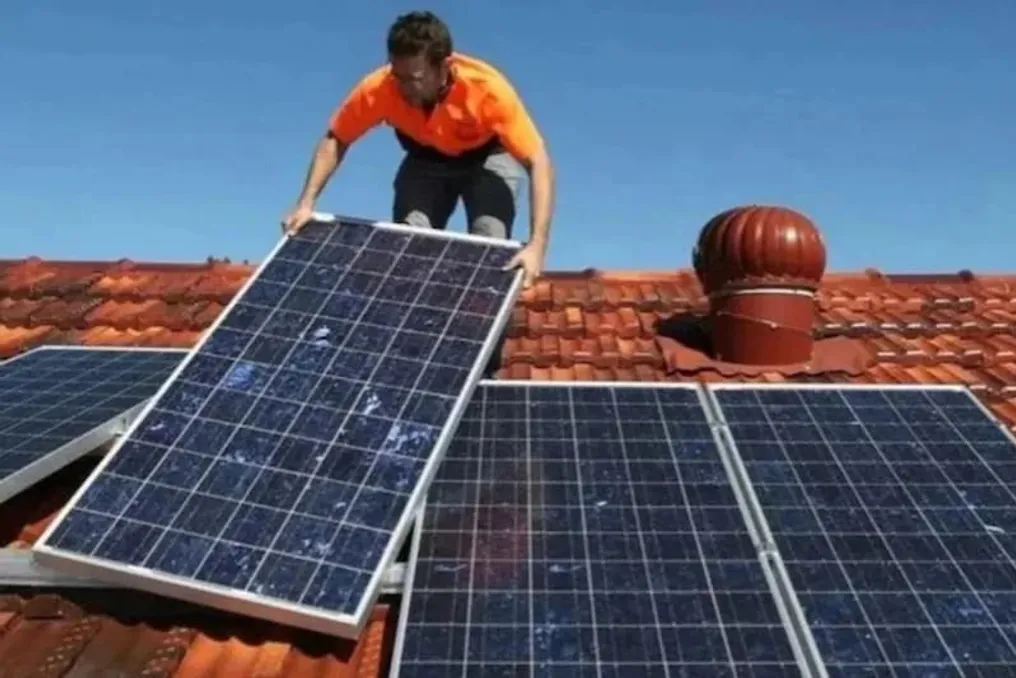
The central government's free electricity scheme, PM Surya Ghar, is seeing high demand, and the number of its beneficiaries is growing daily. Under this program, recipients not only receive 300 units of free energy but can also qualify for a subsidy of up to 78,000 rupees.

Union Minister Prakash Joshi reported on the pace of solar panel installations on rooftops, noting that India will be able to install 100,000 rooftop solar systems every 4-5 days in the near future.

As the cold weather sets in, homes are actively using heaters and water heaters. However, the use of these appliances often raises concerns due to rising electricity bills. Nevertheless, people who have installed solar panels on their home roofs under the PM Surya Ghar Muft Bijli Yojna state program are using these devices without worry, having eliminated the problem of bill payments.

It is worth noting that Prime Minister Narendra Modi launched the PM Surya Ghar Muft Bijli Yojna program in February 2024. The benefits of this scheme contribute to its growing popularity. This government initiative provides 300 units of free electricity, along with a significant subsidy of up to 78,000 rupees for costs associated with installing a rooftop solar panel. The total cost of the program is 75,000 crore rupees, and its goal is to provide up to 300 units of free electricity monthly to 100 million homes through the installation of rooftop solar panels by March 31, 2027.

Union Minister for New and Renewable Energy, Prakash Joshi, told Business Today that the work on installing rooftop solar panels under PM Surya Ghar is progressing rapidly. He also noted that new solutions will emerge as India's power system becomes decentralized.

During the BRE 2026 summit, Joshi stated that approximately one hundred thousand rooftop solar systems are currently being installed in India every six days, and this pace is expected to accelerate further. The minister emphasized that in the coming weeks, the interval between every hundred installations will be only four or five days.

He added that structural changes are occurring in the energy sector: in addition to traditional power plants, homes and farmers are also becoming electricity producers. Previously, the number of generation points was very low, but now there are thousands and millions. Now every home can generate electricity, farmers produce energy, and some even sell it to DISCOMs.

Over 65 Million Homes Illuminated

According to the latest data on the PM Surya Ghar Muft Bijli Yojna program, over 88.3 million applications were received as of November 2, and more than 55.3 million rooftop solar systems have been installed. According to the National Portal for Rooftop Solar, this has resulted in over 65.4 million homes receiving illumination.

Joshi explained how the rapidly evolving rooftop solar ecosystem is transforming the country's energy landscape, creating both new opportunities and challenges for utilities and grid operators. In response to questions about the program's progress, Joshi expressed confidence that the government will meet the planned milestones and achieve the program's targets.

Railways announce launch of three pairs and special trains for Diwali and Chhath festivals
Read more
www.aajtak.in

Railways announce launch of three pairs and special trains for Diwali and Chhath festivals

There is good news for passengers traveling home during the Diwali and Chhath festivals. Considering the increasing congestion on trains and difficulties in obtaining confirmed tickets during the festive period, the railway company has announced the launch of three additional pairs and special trains.

These special trains will facilitate travel for passengers from Delhi to the states of Uttar Pradesh and Bihar. Additionally, a special service will be launched between Gorakhpur and Mumbai.

According to Dr. Shivama Sharma, Chief Public Relations Specialist of the Central Railway Directorate of Uttar Madhya, these special trains will operate to accommodate the increased passenger flow during the Diwali and Chhath festivals. The railway company strongly recommends that passengers check the current status of the train before starting their journey via the official website, NTES, or the railway helpline.

1. Anand Vihar Terminal - Chhapra Special Train

Train number 04058 will run five trips between Anand Vihar Terminal and Chhapra from November 3 to November 17, 2026. The return journey will be operated by train number 04057 from Chhapra to Anand Vihar Terminal.

Departure time from Anand Vihar: The train will depart from Anand Vihar Terminal at 00:20 AM. It will pass through Tundla, Govindpuri, and Junction Prayagraj, moving via Prayagraj Rambagh. Key stops and timings are as follows: Tundla Junction (03:50–03:52), Govindpuri (07:20–07:25), Junction Prayagraj (10:35–10:40), Gyanpur Road (11:43–11:45), Varanasi (13:15–13:25), Sarnath (13:55–13:57), Junction Audihar (14:28–14:30), Gajipur City (15:35–15:45), Baliya (17:10–17:12), and Suremanpur (17:50–17:52), arriving in Chhapra at 19:20.

The return journey (train 04057) from Chhapra departs at 22:10. It will stop at Suremanpur (22:48–22:50), Baliya (23:53–23:55), Gajipur City (01:15–01:25), Varanasi (03:35–03:45), Junction Prayagraj (05:55–06:00), Govindpuri (08:50–08:55), Tundla Junction (12:10–12:12), arriving at Anand Vihar Terminal at 17:20.

2. Mau - Anand Vihar Terminal Special Train

Train number 05087 will run from Mau, and train number 05088 will run back from Anand Vihar Terminal. Train 05087 will make two trips on November 3 and 10. Train 05088 will operate on November 4 and 11.

The train from Mau departs at 22:30. It will stop at Muhammadabad, Azamgarh, Horasan Road, Shahganj, Jaunpur, Janghai, Prayag, and Junction Prayagraj. It will then pass through Govindpuri, Tundla, and Ghaziabad, arriving at Anand Vihar Terminal at 17:00 the next day. Key stops include: Azamgarh (23:25–23:30), Shahganj (01:10–01:15), Jaunpur Junction (01:53–01:55), Junction Prayagraj (05:40–05:45), Govindpuri (08:40–08:45), Tundla Junction (11:58–12:00), and Ghaziabad (16:21–16:23), arriving at Anand Vihar Terminal at 17:00.

The return train (05088) departs from Anand Vihar Terminal at 19:15. It will pass through Ghaziabad, Tundla, Govindpuri, Prayagraj, Janghai, Jaunpur, Shahganj, and Azamgarh, reaching Mau at 14:00 the next day. Key stops: Ghaziabad (16:21–16:23), Tundla (11:58–12:00), Govindpuri (08:40–08:45), Junction Prayagraj (05:40–05:45), Janghai (01:53–01:55), Jaunpur (01:10–01:15), Shahganj (23:25–23:30), arriving at Mau at 14:00.

3. Weekly Special Train Gorakhpur - Bandra Terminus

Train number 05091 will run from Gorakhpur, and train number 05092 will run back from Bandra Terminus. Train 05091 will make two trips on November 9 and 16. Train 05092 will operate on November 11 and 18.

The train from Gorakhpur departs from Gorakhpur Junction at 21:55. It will stop at Basti, Gonda, Badshahnagar, Ayushbagh, Kanpur Central, Tundla, Agra, Gangapur City, Kota, Ratlam, Vadodara, and Surat. It will then arrive at Bandra Terminus at 12:00 on Wednesday. Key stops: Basti (23:20–23:22), Gonda Junction (01:10–01:15), Ayushbagh (04:50–05:00), Kanpur Central (07:20–07:25), Tundla Junction (11:30–11:35), Junction Kota (18:15–18:20), Junction Ratlam (22:25–22:30), Junction Vadodara (04:10–04:15), and Surat (06:40–06:45), arriving at Bandra Terminus at 12:00.

The return train (05092) departs from Bandra Terminus at 13:45 on Wednesday. It will pass through Borivali, Vapi, Surat, Vadodara, Ratlam, Kota, Gangapur City, Agra, Tundla, Kanpur, Ayushbagh, Badshahnagar, Gonda, and Basti, reaching Gorakhpur at 23:55 on Thursday. Key stops: Borivali, Vapi, Surat (06:40–06:45), Vadodara (04:10–04:15), Ratlam (22:25–22:30), Junction Kota (18:15–18:20), Gangapur City (11:30–11:35), Agra (11:30–11:35), Tundla (11:30–11:35), Kanpur (07:20–07:25), Ayushbagh (04:50–05:00), Badshahnagar (01:10–01:15), Gonda (01:10–01:15), arriving at Gorakhpur at 23:55.

Important to Check Train Status Before Traveling

The railway company urges passengers to check the current information about the respective train, including availability and schedule, through the official website, NTES, or the railway helpline before starting the journey. Given the increased load during the festive period, it is crucial to confirm the operating dates and stops of the train before booking tickets.

Ministry of Energy plans construction of new renewable power plants with a capacity of 6000 MW
Read more
www.tehrantimes.com

Ministry of Energy plans construction of new renewable power plants with a capacity of 6000 MW

The Deputy Minister of Energy and head of the Organization for Renewable Energy and Energy Efficiency (SATBA) announced new plans by the Ministry of Energy to build 6000 megawatts of new renewable energy facilities in the country. Furthermore, he emphasized that work will be simultaneously intensified to create a value chain and localize necessary equipment.

According to an IRNA report citing SATBA, Mohsen Tar khatalab, explaining the organization's latest steps in developing new energy, named attracting non-state investment and strengthening domestic supply as two main directions to achieve sector goals. He detailed SATBA's new plans in three areas.

In the context of planning 10,000 megawatts of residential solar power plants, he announced the publication of a call for investors from the non-state sector to participate in the construction of small-scale distributed solar power plants.

Tar khatalab specified that the financial model for these projects is developed based on a combination of funding sources: no less than 40 percent must be the investor's equity capital, a maximum of 50 percent can be funds from the National Development Fund, and consumers of electricity must contribute at least 10 percent.

The head of SATBA stated that investors who contribute a higher percentage to the project financing will be given priority in consideration. The investor will be responsible for equipment supply, installation, operation, and sale of generated electricity (with guaranteed repayment of principal and interest through the Green Energy Exchange).

Addressing the implementation of the national program for the development of solar energy systems and the production chain, Tar khatalab noted that SATBA has long put the localization of equipment and the creation of production lines for the needs of solar power plants on the agenda to enhance technological capabilities and reduce dependence on foreign supplies. Now, considering the attractiveness of the Iranian market for investors, this issue is being addressed more seriously.

In this regard, he announced a call to identify and support qualified applicants for the construction, development, and modernization of solar panel production lines, reminding that entities meeting technical and financial requirements will receive support and legal assistance from SATBA.

The Deputy Minister of Energy also reported the start of the repayment period and payments on loans from the National Development Fund by investors. He stressed that as projects advance, investors are obliged to repay the principal and interest on allocated resources according to established mechanisms.

He added that after the repayment period ends, ownership of the solar and other renewable power plants will transfer to the investors. Tar khatalab continued that the participation of the National Development Fund in the construction of renewable power plants has become the first successful example of national investment, which, in addition to building power plants and solar energy generation facilities, has contributed to the expansion of the private sector and the return of used resources to the National Development Fund. The Deputy Minister of Energy concluded that this successful experience can be scaled up to other national needs while preserving the resources of the National Development Fund.

Popular