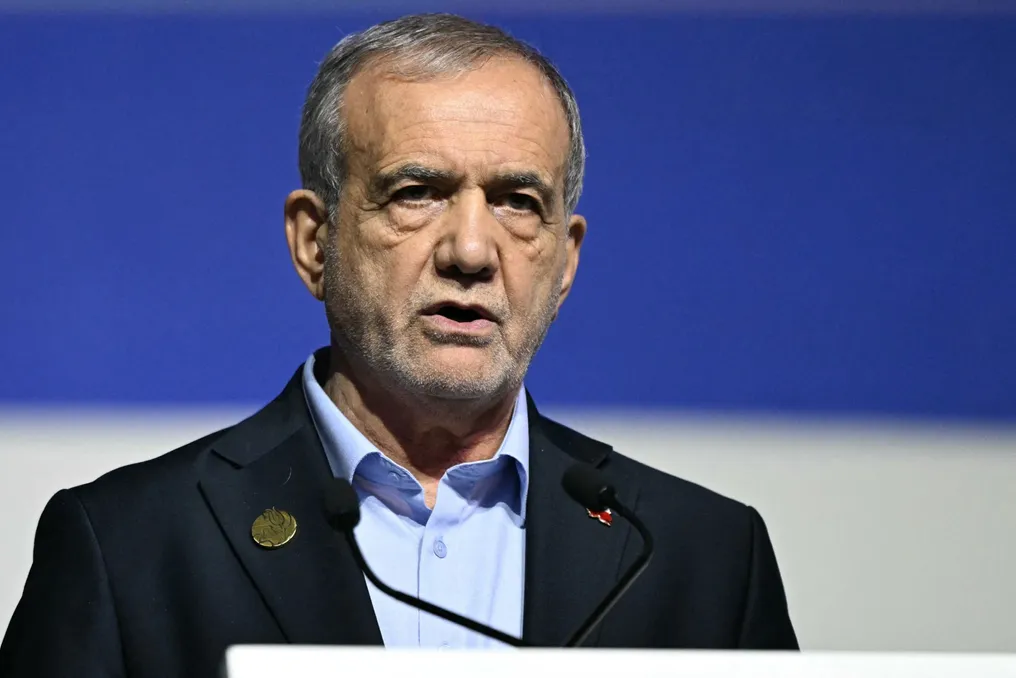
At the 31st UN Climate Change Conference (COP31), which began in the Turkish coastal city of Antalya and will run until November 20, delegates demanded the elimination of the climate finance deficit and ensured climate justice for developing nations. The conference gathered representatives from nearly 200 countries and regions, focusing on transitioning from setting goals to implementing concrete climate solutions.
Mohammad Nurunnabi, UNESCO's Director for Sustainable Development Education, told Xinhua during the opening ceremony that practical actions, not just talk, are necessary. He noted that only 15% of the Sustainable Development Goals are on track, and many countries fail to provide adequate national statistics to track climate initiatives, making it impossible to assess real progress.
Nurunnabi also warned that despite the limited contribution of Global South countries to global emissions, climate financing from Global North countries is 'significantly decreasing every year,' strongly urging wealthy nations to take responsibility for the trillion-dollar gap.
Bangladesh's Minister of Environment, Forests and Climate Change, Abdul Awal Mintu, stated that poorer countries bear the greatest costs due to greenhouse gas emissions, which are primarily generated by wealthy nations. Mintu informed Xinhua that his population is severely affected by river erosion, coastal flooding, and saltwater intrusion, emphasizing the urgent need for adaptation funds to restore vulnerable communities.
He called on developed countries to fulfill their commitments to mobilize at least $300 billion annually for developing countries by 2035, and appealed to all participants to increase the total volume of climate finance to at least $1.3 trillion annually by that time. Mintu stressed that this contribution was initially non-binding for anyone, and his main goal at COP31 is to ensure that all responsible wealthy countries undertake this commitment.
To overcome these fundamental financial obstacles and implement local projects, some officials point to alternative economic models. Saiful Adib bin Abdul Munaff, the current CEO of the Malaysian Green Technology and Climate Change Corporation, noted that while many environmental initiatives successfully pass pilot stages, scaling up remains a serious challenge. According to him, there is an increasing role for blended finance, and successfully launching larger programs now requires the creative combination of multiple stakeholders, merging government grants with private funding, insurance companies, and even crowdfunding.