Cabinet approves development plan for Yugee Museum worth 3230 crore rupees; opening scheduled for next year
Read more
The times of India
timesofindia.indiatimes.com

Cabinet approves development plan for Yugee Museum worth 3230 crore rupees; opening scheduled for next year

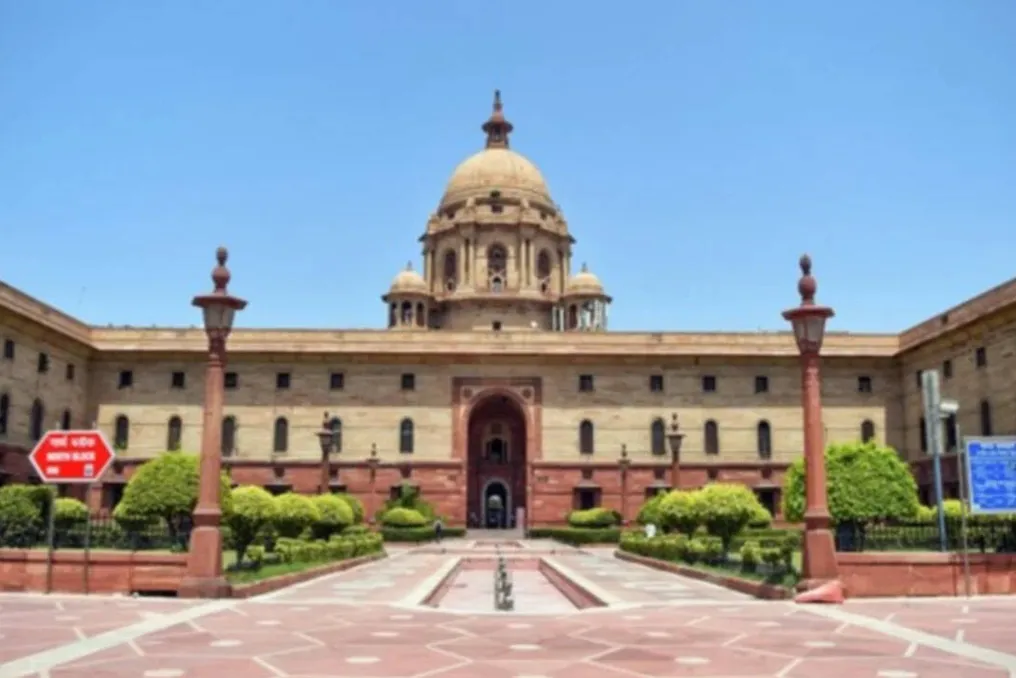
The North Block, which previously housed the ministries of finance and internal affairs, is preparing to reopen in less than a year. It will serve as the venue for the first gallery of one of the world's largest museums.

The government announced on Wednesday that the Yugee Museum Bharat (YYBM), announced three years ago, will open to the public next year. This became possible after the Cabinet Committee on Economic Affairs (CCEA) approved a museum development plan valued at 3,230 crore rupees. The project will cover the North and South Blocks and occupy an area of about 1.8 lakh square meters, equivalent to 25 football fields.

After construction is completed in 2031, the museum's exhibition area will be 1 lakh square meters, exceeding the area of the Louvre (73,000 sq. m) and the British Museum (70,000 sq. m).

Prime Minister Narendra Modi stated on social media platform X that the vision of the Yugee Museum Bharat is for New Delhi to become home to the world's largest exhibition space. He emphasized that the museum will present the heritage of thousands of years of India—from ancient systems of knowledge, mathematics, and astronomy to architecture, art, languages, and spirituality—through immersive experiences and world-class galleries.

The project, which is slated for completion by March 2031, will cost almost two and a half times more than the construction of the new Parliament building. The Minister of Industry and Commerce, Ashwini Vaishnaw, told journalists that the museum's goal is to demonstrate India's complete 'civilizational odyssey' using modern technology while maintaining the architectural integrity of the two buildings on Raisina Hill, which were until recently the center of power.

The Ministry of Culture, overseeing the project, planned to open the first gallery by the end of 2026. According to officials, the ministry will soon begin work on designing the gallery, which will focus on the theme of 'ornamentation' in the North Block. This gallery is expected to showcase the aesthetics that have defined India's civilizational path through the ages, using images of jewelry and decoration.

A modular approach is being developed to add additional galleries. Content and collection analysis is currently underway: approximately 1.8 million items have been identified from the National Museum, museums of other culture ministry institutions, 52 museum complexes of the Archaeological Survey of India (ASI), and various state and private collections that will be featured in YYBM.

Although the museum will open next year, the metro station near Gurdwara Rakabganj is likely to become operational by June 2029. It will serve as an important link, as about 70% of visitors are expected to arrive via the North Block entrance. Officials clarified that the initial plan to create an underground tunnel between the North and South Blocks has been canceled, and an above-ground connection will now be provided.

The museum is also expected to generate regular revenue through ticket sales, food service, events, venue rentals, digital experiences, tours, and retail outlets. TOI learned that the CCEA approved the Ministry of Culture's proposal to generate annual revenue of about 163 crore rupees from renting out five auditoriums and event spaces, seven food courts, and ticket sales.

In its proposal, the ministry specified the ticket price for Indians at 100 rupees and for foreigners at 1,000 rupees. Given the scale of the project, a separate CEO and four deputy CEOs will be appointed. According to sources familiar with the project, around 262 jobs will be created, including curators and support staff.
Similar stories

Dafineh Museum Group Proposes Creation of International Council of Islamic World Museums
Read more
www.tehrantimes.com

Dafineh Museum Group Proposes Creation of International Council of Islamic World Museums

The Dafineh Museum Group has put forward a proposal to establish an 'International Council of Islamic World Museums' with the aim of strengthening cooperation between museums in Muslim countries. It is expected that the Islamic Cultural and Relations Organization of Iran (ICRO) will consider this initiative.

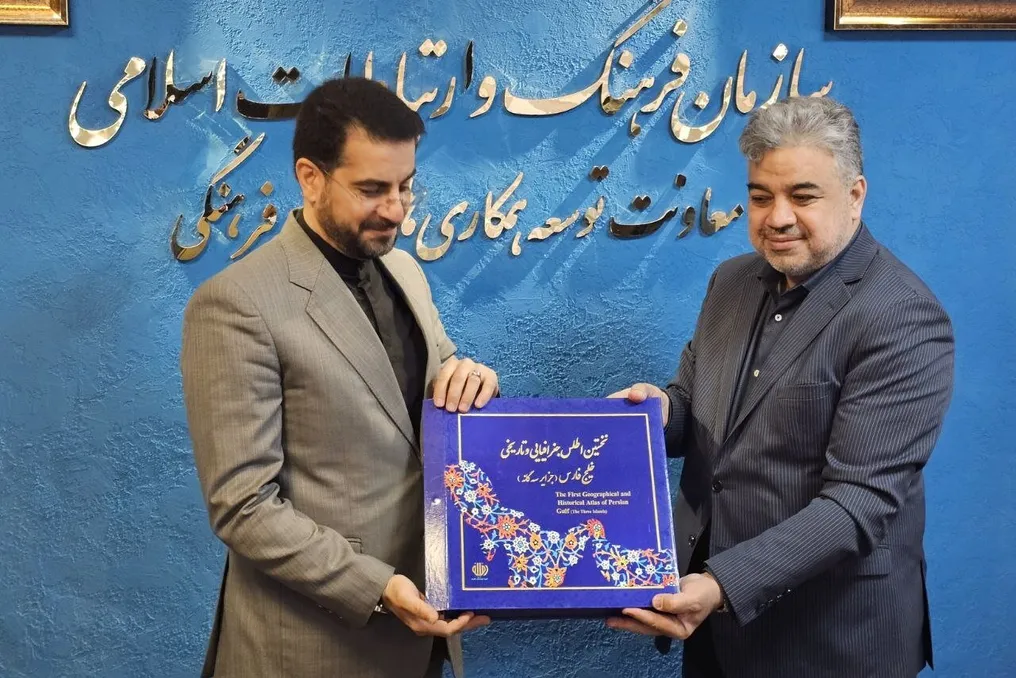
Hamidreza Soleimani, CEO of the Dafineh Museum Group from the Mostazafan Foundation, presented this proposal during a meeting where a memorandum of understanding was signed between the group and ICRO.

According to Soleimani, the proposed council could serve as a platform for closer interaction and coordination of museum activities in Islamic states, especially in developing common standards and protocols for museum operations.

He noted that while the International Council of Museums (ICOM) is involved in establishing professional norms for museums worldwide, there is currently no similar structure specifically dedicated to the cultural and civilizational sphere of the Islamic world.

Soleimani added that creating such a council could serve as a starting point for forming common approaches to museum management and strengthening cultural ties between participating countries.

Furthermore, Soleimani emphasized the significance of the ICRO network, which includes over 60 cultural centers and offices abroad, calling it a valuable resource for expanding international cooperation and promoting Iranian cultural heritage.

He stated that museums are places where manifestations and symbols of civilization and culture converge, highlighting their important role in presenting a country's historical and cultural identity to an international audience.

He also pointed out that Iran's material and intangible heritage is insufficiently recognized internationally, calling for increased efforts to more accurately portray the country's achievements in history and culture abroad.

According to Soleimani, ICRO expects to form a working group to study the proposed council and begin the process of implementing this initiative.

Hossein Divsalar, ICRO's Deputy for Scientific and Cultural Cooperation, reported that the organization's network of over 60 cultural offices abroad can play a significant role in promoting Iran's cultural opportunities on the world stage.

He described cultural advisors as representatives of Iran's interests abroad, whose task is to work jointly with other national institutions to present the country's cultural assets to the international public.

Divsalar noted that interaction between government ministries and cultural institutions can strengthen Iran's public and cultural diplomacy. He also mentioned that ICRO has held 10 specialized meetings on museum diplomacy, and a secretariat for museum-based cultural dialogues has been established at the UNESCO-registered Golestan Palace in Tehran.

Divsalar expressed his organization's readiness to support joint cultural and museum programs, including incoming initiatives such as the Russian Cultural Week in Iran, and overseas events like the Iranian Cultural Week in Turkmenistan.

He concluded that ICRO is ready to cooperate with the Dafineh Museum Group in organizing joint museum events with other countries. The meeting concluded with the signing of a memorandum of understanding between the two institutions.

WIC Wuzhen 2026 Summit Opens with Focus on Open Artificial Intelligence
Read more
cgtn.com

WIC Wuzhen 2026 Summit Opens with Focus on Open Artificial Intelligence

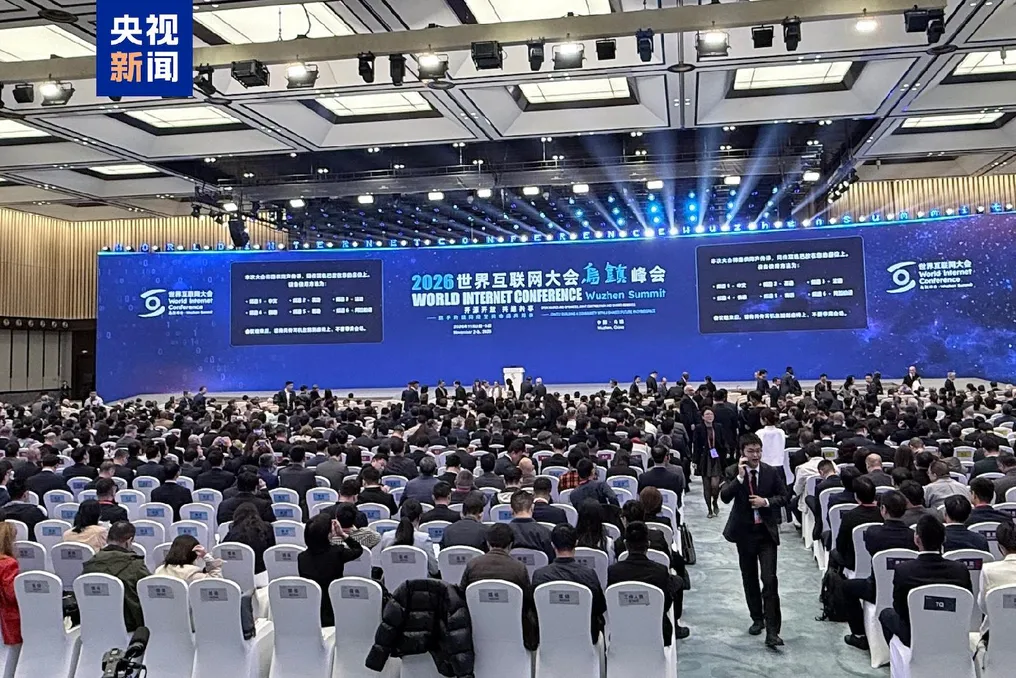
The World Internet Conference (WIC) Wuzhen Summit opened in Uchen City, Zhejiang Province, eastern China, on Tuesday. The event gathered representatives from governments, international organizations, business, and academic circles from around the world.

This year's theme was formulated as 'Open Source and Openness, Collaborative Development and Shared Benefits – Jointly Building a Community with a Common Future in Cyberspace.' The summit places a primary focus on open artificial intelligence, covering areas such as technological innovation, security management, cultural exchange, and international cooperation.

A central element of the main forum was the AI Dialogue in Uchen, which brought together leading global technology companies, executives of open-source large language model companies, and AI scientists to explore ways to create a global ecosystem for open AI. Furthermore, the summit includes 27 subforums dedicated to topics such as cyberspace cooperation within the Global Governance Initiative, theory and policy in the digital and intelligent era, and robotics and embodied intelligence.

International participation was noted in case competitions and technology awards. The call for submissions showcasing outstanding examples of jointly building a community with a common future in cyberspace received 360 applications from 80 countries and regions, with 22 countries participating for the first time. Eleven top cases were selected. Meanwhile, the World Internet Conference awards for innovative science and technology received over 430 applications from 43 countries and regions; eighteen countries and regions presented their work for the first time, and the number of international submissions increased by 21% compared to the previous year. In total, 20 projects were awarded.

Wan Jian, an academician of the Chinese Academy of Engineering, expressed his view that WIC will continue to play a significant role in the development of AI in China. He noted that since open source and openness are global in nature, the Uchen Summit can contribute to China's involvement in the global development of AI.

John Hoffman, CEO of GSMA Ltd., stated that the Uchen Summit serves as a platform for exchanging information and uniting ideas on how to create an open internet accessible to all. He added that this year's theme reflects the summit's long-standing commitment to the principle of 'leaving no one behind' and creating opportunities for the future world.

Popular