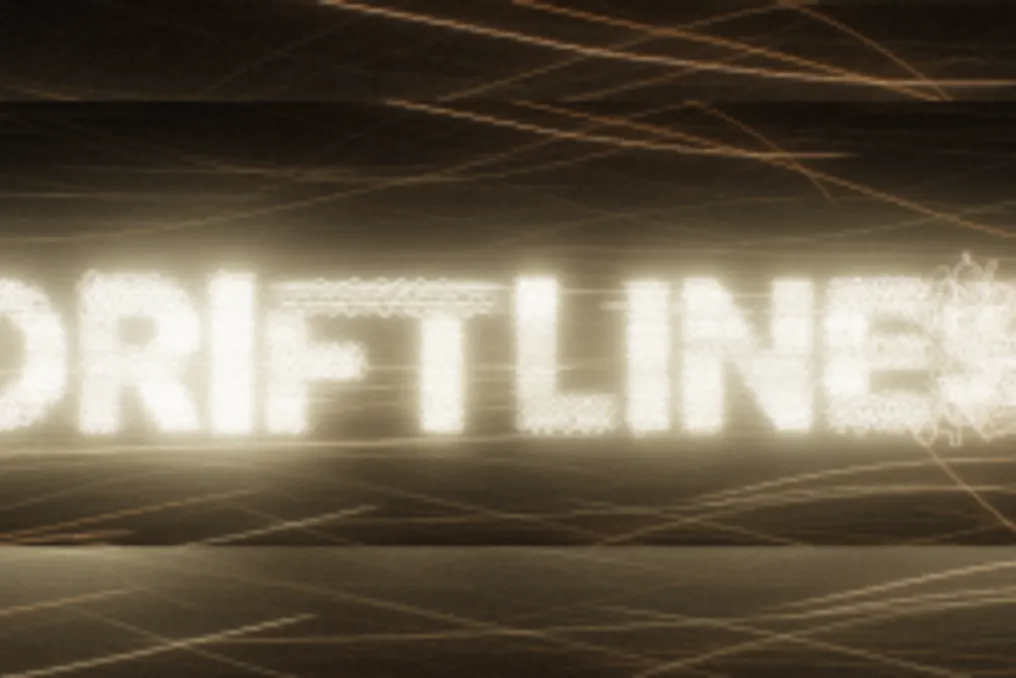
Duo Weekend Vikings releases digital music box for album Driftlines
Read more
Design Indaba
designindaba.com

Duo Weekend Vikings releases digital music box for album Driftlines

The Budapest duo Weekend Vikings, consisting of Gábor Szunyog and Viktor Satmary, has launched a digital music box to celebrate the release of their new album Driftlines. This project invites listeners to immerse themselves in the album through a series of original stories, animated graphics, and unusual interactive elements.

Alongside nine tracks, users can rotate a starry night sky, interact with floating letters, uncover surreal scenes, and watch glowing lines react to their movements.

Musically, Driftlines is a melodic fusion of jazz, progressive rock, and psychedelia, where electric piano, synthesizers, and drums create a constantly shifting soundscape. The accompanying stories in English offer surreal hints of the duo's imagination without dictating how listeners should interpret the compositions.

A special game feature allows visitors to draw their own two-color symbol or sign, which is then included in the album's tracklist. The album Driftlines aims to be a thoughtful alternative to the fast-paced attention economy characteristic of streaming services.

Weekend Vikings were inspired by childhood memories of studying vinyl record covers and booklets, creating an experience that encourages listeners to slow down, linger, and rediscover the pleasure of complete musical immersion.

The duo noted that their motivation was the desire to stand out amidst the immense noise of streaming platforms so that their music could reach people who can genuinely connect with it. They believe they have created something more than just music and learned an important creative lesson: to leave room for discovery, as not everything needs to be explained or controlled in its perception.
Similar stories

BBC plans to create radio studio for operation without internet during emergencies
Read more
uza.uz

BBC plans to create radio studio for operation without internet during emergencies

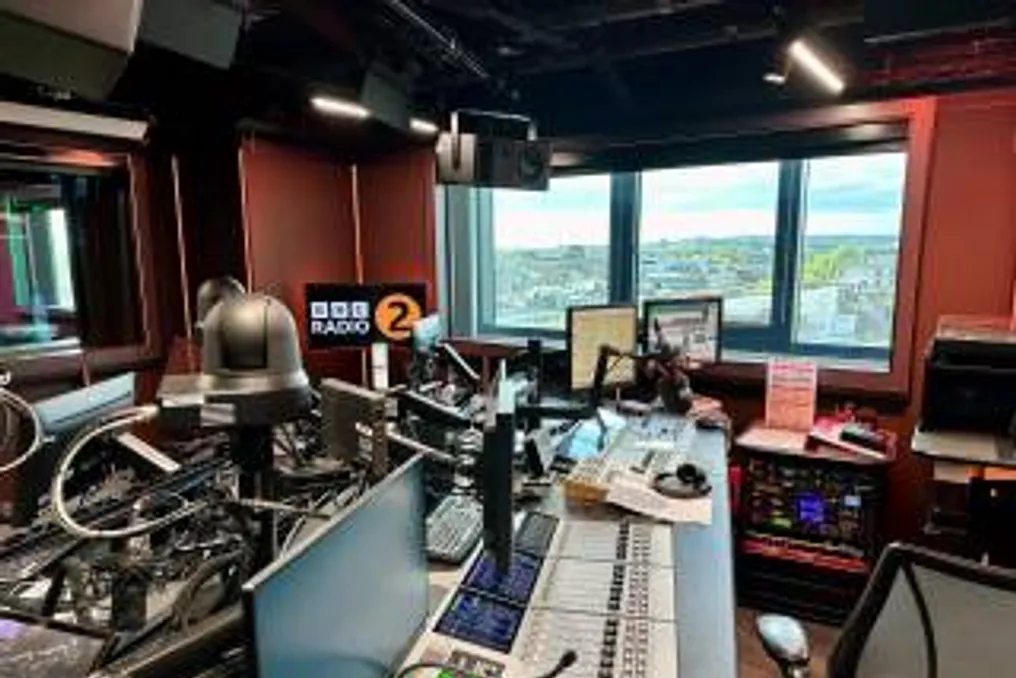
The British broadcaster BBC intends to set up a special radio studio that can function even without internet access. This measure is aimed at providing the public with information in the event of cyberattacks, natural disasters, or large-scale power outages.

Public Radio of Armenia marked the centenary of its international media conference
Read more
www.tehrantimes.com

Public Radio of Armenia marked the centenary of its international media conference

Public Radio of Armenia celebrated its centenary by hosting an international media conference. The station's first broadcast in Armenia on September 1, 1926, with the phrase 'Listen! Listen! This is Yerevan radio station,' initiated a media legacy that has lasted for one hundred years.

Although the official daily schedule began on June 15, 1927, the initial transmission laid the foundation for a long-term media history. Over the decades, the institution transformed from a single experimental transmitter into a modern, powerful multimedia network. Today, Public Radio operates through numerous channels and digital platforms, broadcasting and publishing in 12 languages, including regional and minority languages such as Persian, Kurdish, and Arabic, alongside English and Russian.

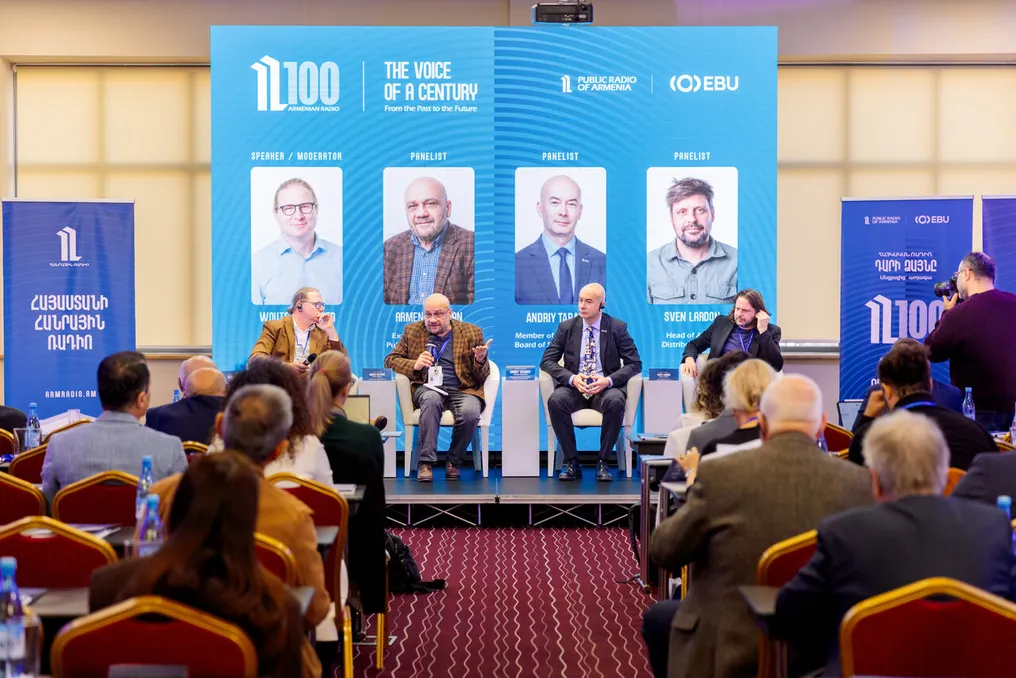
In November 2026, Public Radio of Armenia, as a member of the European Broadcasting Union (EBU), celebrated its centenary by organizing an international media conference titled 'Voice of the Century: From Past to Future.' This two-day event gathered 19 international delegates and experts from 15 countries. Among the participants was the Tehran Times newspaper, the only honorary media organization from outside Europe and not a member of the EBU, reflecting long-standing cultural and regional ties.

The first day of the conference took place at the historic Radio House in Yerevan, where guests visited the station's Museum Corner official opening. Among the main exhibits was the organization's historical 'birth certificate'—the original license granting broadcasting rights in Armenia. The preservation of this cultural memory was made possible by a large-scale archive restoration initiative. To date, Public Radio has digitized 102,422 historical tapes, preserving over 12,300 hours of rare audio recordings, national folklore, and old programs.

During his keynote speech, Archive Head Artur Ispyrian discussed the complexities of this project, explaining that modernizing decades of magnetic tape required combining outdated engineering concepts with contemporary digital technologies, complicated by the need for rare expertise to carry out the work.

The second day focused on the challenges of the modern and evolving media landscape. Sessions held at the Ani Grand Hotel brought together industry leaders, broadcasters, and editors who participated in three separate panels focusing on pressing issues shaping 21st-century journalism. Topics included the visual evolution of traditional radio and strategies to avoid simply copying television, the structural impact of artificial intelligence on newsrooms and media, and voice-controlled media, as well as tactical methods for combating disinformation and modern hybrid warfare.

The centenary concluded with a gala concert at the Armenian National Opera and Ballet Theatre, dedicated to celebrating the station's century-long contribution to serving listeners both at home and around the world.

Popular