WHO warns: symptoms of new Covid-19 variant may resemble cold or flu
Read more
Khaleej Times
www.khaleejtimes.com

WHO warns: symptoms of new Covid-19 variant may resemble cold or flu

The World Health Organization (WHO) issued a warning that the signs associated with the new Covid-19 variant PJ.2.1 may be similar to the symptoms of a common cold and flu. The organization emphasized that it is impossible to distinguish these infections based on symptoms alone, and testing may be required for diagnosis.

WHO stated that laboratory tests remain the most reliable method for identifying the virus causing the illness. This is especially important when determining the cause of the infection can influence the choice of treatment or public health measures.

The organization continues to closely monitor the emergence of this new variant amid growing concern about its global spread. Meanwhile, Russian infectious disease specialist and virologist Elena Malinkova noted that the PJ.2.1 variant potentially may cause a severe sore throat and longer fatigue after recovery compared to some other strains.

Similar stories

Do not ignore cough in cold weather: it may be pneumonia, children are at risk
Read more
www.aajtak.in

Do not ignore cough in cold weather: it may be pneumonia, children are at risk

One should not neglect a cough that worsens in cold weather, as it may be a sign of pneumonia. If a child has a persistent cough accompanied by wheezing or difficulty breathing, this should not be considered a minor symptom.

According to a WHO report, approximately 4 million cases of pneumonia are recorded annually in India, accounting for about a quarter of all pneumonia cases occurring in the community. Furthermore, about one-fifth of patients require hospitalization. Doctors note that the risk of developing pneumonia increases during the winter period, so special precautions are necessary.

The combination of cold weather and air pollution creates multiple risks simultaneously. PM2.5 particles in polluted air weaken the lungs' ability to function. Polluted air also reduces the activity of immune cells responsible for eliminating bacteria. When temperatures drop, people spend more time indoors with inadequate ventilation, which facilitates the rapid spread of viruses. Under such conditions, even a minor viral infection can develop into pneumonia, and this pattern is observed every year in North India.

Dr. Amit explains that pneumonia rarely starts suddenly; it is usually accompanied by a prolonged cough, slight fatigue, and a slight increase in temperature. However, people often mistakenly attribute these signs to the weather. Some try to alleviate their condition by drinking ginger tea, using steam, or taking leftover antibiotics from previous illnesses, but this does not bring relief and gradually worsens health. Every delay in treatment exacerbates the lung infection, leading to decreased oxygen levels and the need for hospitalization.

A signs that require attention include: a cough lasting more than a week or worsening; shortness of breath with fever; chest pain when breathing or coughing; and rapid breathing even at rest.

Study shows link between cluster headaches and burnout symptoms
Read more
nplus1.ru

Study shows link between cluster headaches and burnout symptoms

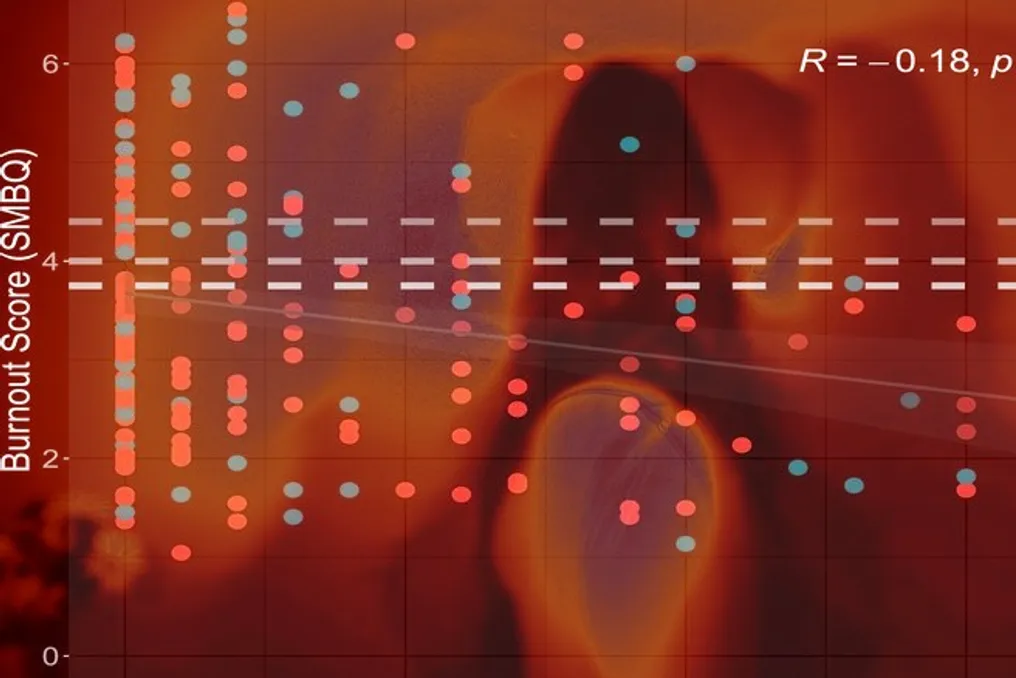
A cross-sectional study conducted by Andrea Carmine Belin and her colleagues from the Karolinska Institute established that during an exacerbation of cluster headaches, the frequency of burnout symptoms significantly increases.

Eight hundred thirty-nine individuals suffering from cluster headaches participated in the study, and they were divided into groups experiencing active disease phases and remission periods.

Participants were assessed for burnout symptoms using the Shiromad-Melamed method, with a threshold of 3.75 points set to determine burnout. The obtained data were published in the scientific journal Headache.

New Covid-19 Variant PJ.2.1: Study of Infectivity, Symptoms, and Impact on Vaccination
Read more
www.khaleejtimes.com

New Covid-19 Variant PJ.2.1: Study of Infectivity, Symptoms, and Impact on Vaccination

A new variant of Covid-19 has emerged, drawing public attention after cases were detected in various countries worldwide. The first documented case of the PJ.2.1 variant was identified in Ontario, Canada, in May of this year. This variant originates from the SARS-CoV-2 lineage and is characterized by multiple genetic changes rather than gradual mutation development.

Preliminary laboratory studies suggest that PJ.2.1 may be potentially capable of binding more effectively to the ACE2 receptor, which the virus uses to enter human cells. However, there is currently no conclusive data confirming that PJ.2.1 causes more severe illness, leads to higher hospitalization rates, or results in more deaths compared to other circulating Covid-19 variants. The study of this variant is ongoing, and some findings remain preliminary.

According to the World Health Organization, symptoms associated with PJ.2.1 can resemble those of a common cold or flu. Possible signs include sore throat, fever, cough, runny nose, nasal congestion, fatigue, headache, muscle aches, and chills.

However, Russian infectious disease specialist and virologist Elena Malinkova specifically highlighted two symptoms: severe sore throat and prolonged fatigue. Some reports suggest that this variant may cause more intense inflammation in the throat than some previous strains, and patients might experience exhaustion that persists even after initial improvement.

It is important to understand that the presence of symptoms alone does not confirm infection with PJ.2.1; testing is required to identify Covid-19, and genomic sequencing is necessary to determine the specific variant.

Following its initial detection in Canada, cases of PJ.2.1 have been registered in the US states, Spain, France, Israel, Singapore, Australia, and New Zealand. The World Health Organization is closely monitoring this emerging variant amid growing global concern over its spread.

Genomic surveillance data from Public Health Ontario showed that between September 20 and October 17, PJ.2.1 accounted for 25.2 percent of sequenced SARS-CoV-2 samples, which is higher than the 16.9 percent recorded in the previous four-week period. Furthermore, the Hong Kong Centre for Health also detected this variant in surveillance data for the JN.1 lineage as of November 5, although the indicated percentage covers the broader JN.1 lineage and does not reflect the specific share of PJ.2.1.

One of the main reasons why PJ.2.1 attracts scientific attention is its evident rapid growth. A study conducted by scientists from the German Primate Center and the Hannover Medical School, published as a preprint on October 8, 2026, reported the spread of PJ.2.1 in the US, Canada, and Spain. Researchers found that its spike protein demonstrates enhanced binding to ACE2, which is a receptor on the surface of certain human cells. Since the SARS-CoV-2 virus uses its spike protein to attach to ACE2 and penetrate cells, more effective binding could provide an advantage in cell infection.

However, laboratory data alone does not prove that the variant will cause a more severe course of the disease in humans. Existing evidence suggests that PJ.2.1 may have an advantage in transmission, but its exact transmissibility in real populations is still being studied.

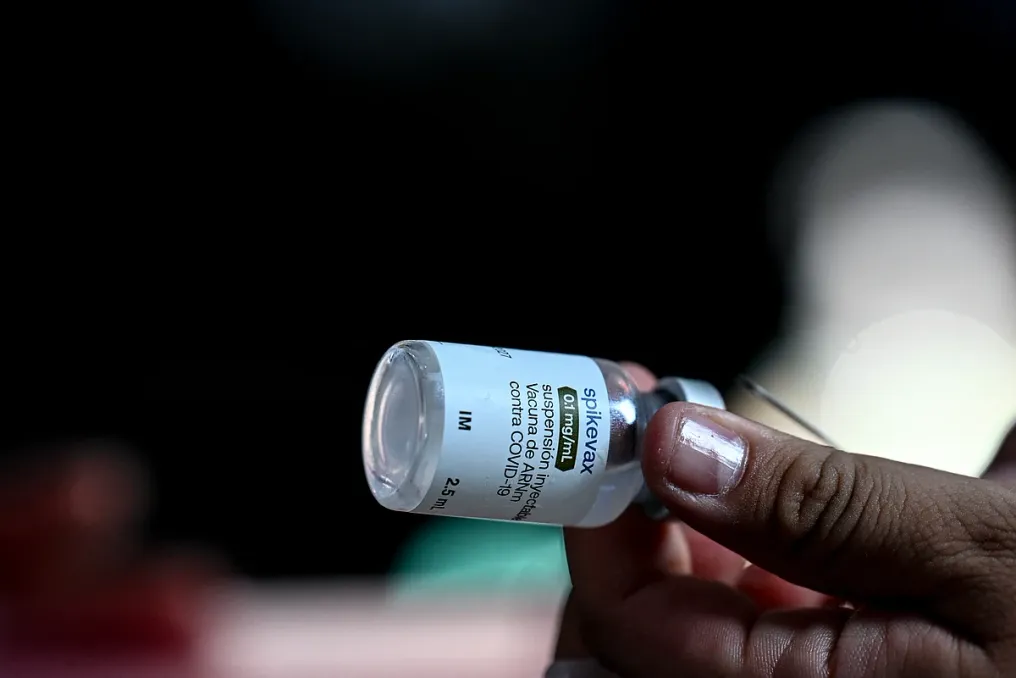
Laboratory results provided some reassurance: researchers found that antibodies produced in people vaccinated with the Covid-19 vaccine adapted to LP.8.1 are capable of neutralizing PJ.2.1. Nevertheless, according to recent studies, the variant proved to be 1.8 times less sensitive to antibody neutralization compared to the standard LP.8.1 strain. This data indicates that PJ.2.1 has not demonstrated a significant ability to evade vaccine-induced antibodies. However, laboratory results alone are insufficient to determine how effectively vaccines prevent infection in real-world settings.

The WHO continues to recommend Covid-19 vaccination for the most vulnerable groups, including the elderly and individuals with certain chronic diseases.
Popular