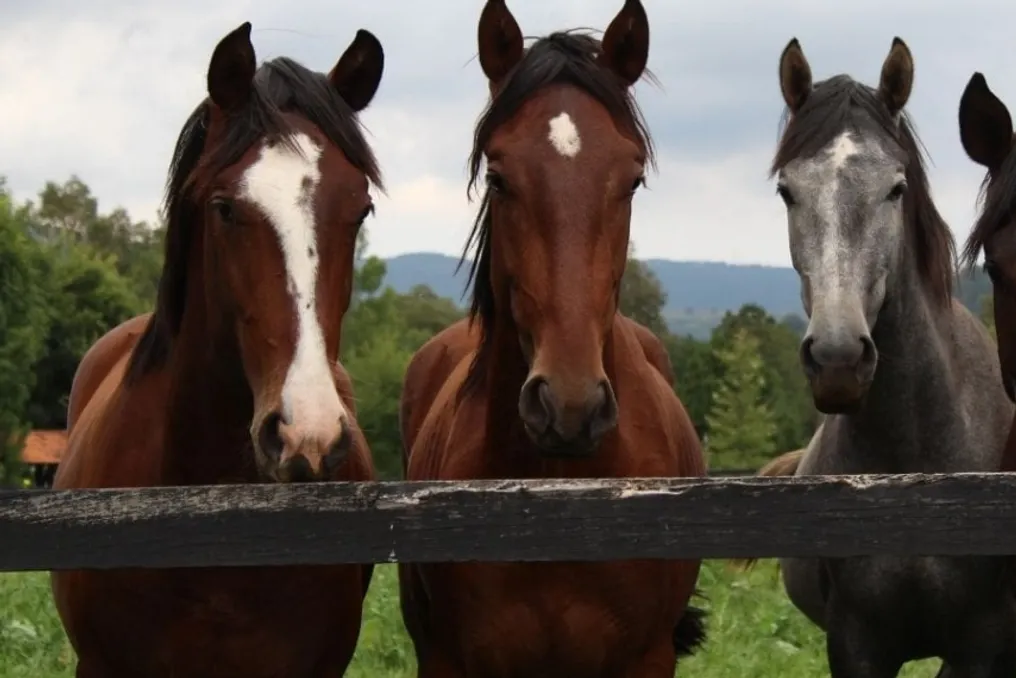
Detection of African Horse Sickness in the Western Cape Leads to Veterinary Restrictions
Read more
Food For Mzansi
foodformzansi.co.za

Detection of African Horse Sickness in the Western Cape Leads to Veterinary Restrictions

The Department of Agriculture confirmed a case of African Horse Sickness (AHS) in the municipality of Sedderberg, Western Cape. This immediately triggered restrictions on animal movement, enhanced precautions against vectors, and an urgent warning to suspend local vaccinations until Onderstepoort Biological Products (OBP) confirms sufficient national vaccine stocks.

Following the detection of an AHS case on a farm in the Sedderberg area, state veterinary authorities immediately implemented movement controls and activated surveillance protocols to localize the disease.

Laboratory tests conducted by the Pretoria University Veterinary Genetics Laboratory identified Serotype 7 of the AHS virus on the affected farm, which is located within South Africa's established AHS Protection Zone.

Minister of Agriculture Willie Aucamp noted that the country's veterinary surveillance systems allowed for the timely detection of this case, ensuring a rapid containment response.

Aucamp stated: 'The early detection of this case in the municipality of Sedderberg is a good example of the South African veterinary surveillance system at work. As a result, authorities were able to quickly arrive in the affected area and implement the necessary strict measures stipulated by the Animal Diseases Act, and deploy containment protocols.'

In accordance with the Animal Diseases Act of 1984 (Act 35 of 1984) and the Western Cape Department of Agriculture's AHS action plan, government officials established an official outbreak containment zone.

Although horse movement within the controlled zone usually requires permission from a state veterinarian in Boland, the department announced that permits for removing horses from the affected area will not be issued until field investigations and monitoring are complete.

Veterinary services, in collaboration with authorized veterinarians and industry partners, have begun intensive hotspot searching, tracking, and monitoring to check for secondary cases in the zone.

The department urged horse owners in the controlled zone to cooperate with veterinary teams and report any animals exhibiting clinical signs of AHS, such as unexplained fever, head or neck swelling, severe breathing difficulties, or sudden death.

Since AHS is transmitted by *Culicoides* mosquitoes, government officials advised horse owners to implement strict insect control measures:

  • Shelter: Keep horses in stables, if possible, from two hours before sunset to two hours after sunrise, when midge activity peaks.
  • Pasture Management: Avoid low-lying, wet, and marshy grazing areas.
  • Insecticides: Use registered repellents and insecticides correctly.

Critically, the department strongly discouraged AHS vaccination in the controlled zone during this period. Since the current registered vaccine is a live attenuated formula, introducing it while there is active midge vector activity risks the midges spreading the vaccine strain and worsening the disease profile.

Aucamp emphasized: 'Although there is no evidence of large-scale disease activity outside the specified property, the department is focused on full vigilance and urges all horse owners to refrain from AHS vaccination during this period.'

The department confirmed that international trading partners will be notified of the outbreak, and details regarding trade consequences will be provided later. Official updates and permit notifications will be managed by the Western Cape Department of Agriculture and via the website www.myhorse.org.za.

The news about containment measures in the Western Cape highlights the constant vigilance required by horse owners nationwide to protect livestock from viral threats.

Phemelo Mokgotosi, a horse owner from the Free State, shared that although his region has not reported cases, local owners are actively maintaining their preventative procedures to protect against equine diseases in general.

Mokgotosi stated: 'We vaccinated our horses and used traditional remedies that have long been available for treating equine diseases.'

While veterinary authorities urge owners in Sedderberg to suspend local vaccinations during the peak vector activity period, the outbreak has once again drawn attention to the readiness and national vaccine supply chains for owners outside the controlled zones.

Addressing historical production bottlenecks, the state producer OBP confirmed that previous manufacturing delays have been resolved, and national reserves of AHS vaccines are fully replenished.

An OBP representative, Zifo Linda, explained that the company has stabilized its supply lines to ensure protection for horse producers.

Linda stated: 'There are currently no issues with the production or availability of products related to the AHS vaccine.' He also assured horse owners and the entire equine industry ahead of the vaccination season that OBP maintains sufficient production stock to meet market demand. Linda added: 'There is currently a sufficient stock as we have been supplying the vaccine since the beginning of this year. There is also enough stock available for sale to meet demand.'
Similar stories

Africa CDC warns of possible continental Ebola outbreak due to the situation in the Democratic Republic of Congo
Read more
noticiasaominuto.com

Africa CDC warns of possible continental Ebola outbreak due to the situation in the Democratic Republic of Congo

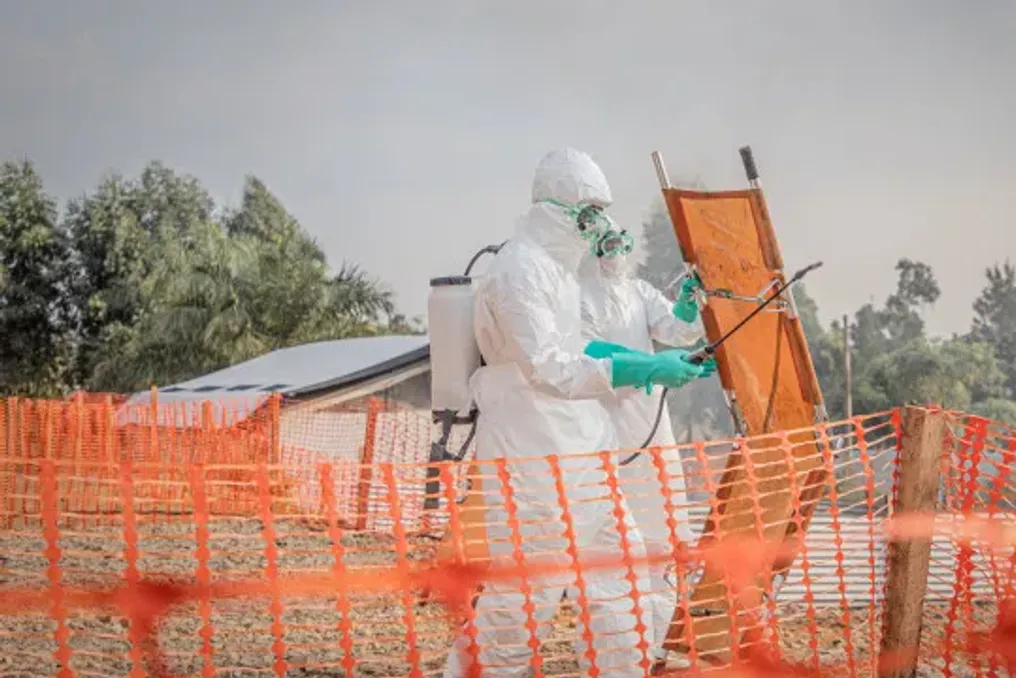
Jean Kaseya, Director-General of the Africa Centres for Disease Control and Prevention (Africa CDC), issued a warning indicating that the circumstances in the Democratic Republic of Congo (DRCongo) could trigger a 'major continental outbreak' of Ebola.

Kaseya stated during a virtual press conference, reported by the Spanish agency Efe, that shortly after the Africa CDC declared the outbreak on May 15, it was recognized that it posed both a regional and continental threat, six months after the initial declaration.

According to Kaseya's explanations, the conditions observed during his visit to the Ituri province, the epicenter of the epidemic in the northeast of the country, which shares a southern border with Angola, create an environment conducive to the spread of the virus beyond national borders. This scenario is aggravated by the humanitarian crisis, insecurity, and population displacement.

The official warned that this outbreak, seen in Ituri, an area characterized by instability, humanitarian crisis, unsupported camps, large population movement, and being a mining zone, combined with community mistrust, has the potential to evolve into a continental outbreak.

Kaseya also mentioned Kenya's reaction, which initiated a 42-day observation period without new cases to be considered Ebola-free, after recording nine confirmations and two deaths. He emphasized that adequate preparation saved lives in Kenya, preventing a much higher number of victims.

Additionally, Kaseya highlighted that Nigeria managed to contain the spread after confirming occurrences in its territory.

According to the latest report from the DRCongo National Institute of Public Health, with data from Friday, the number of cases reached 11,254, resulting in 5,505 deaths and a case fatality rate of 48.9%. At this time, 1,538 patients are in isolation and 3,054 people have recovered from the disease.

Data provided by the Africa CDC reveals that 80% of new cases in DRCongo are identified outside of health surveillance systems, and approximately 65% of the sick die at home or in their communities, never being admitted to specialized treatment centers.

This outbreak, classified as belonging to the Bundibugyo strain, is the deadliest of the 17 recorded in the history of DRCongo. The epidemic threatens to surpass the more than 11 thousand deaths caused by the West African epidemic between 2014 and 2016, having already claimed the lives of at least 74 health professionals and infected another 445 individuals.

In conclusion, Kaseya emphasized that humanity needs to learn how to deal with diseases, but that it is fundamental to strengthen health systems to prevent an illness from turning into an outbreak and subsequently, a pandemic.

Ebola outbreaks in the Democratic Republic of Congo exceed 11 thousand cases and cause thousands of deaths
Read more
noticiasaominuto.com

Ebola outbreaks in the Democratic Republic of Congo exceed 11 thousand cases and cause thousands of deaths

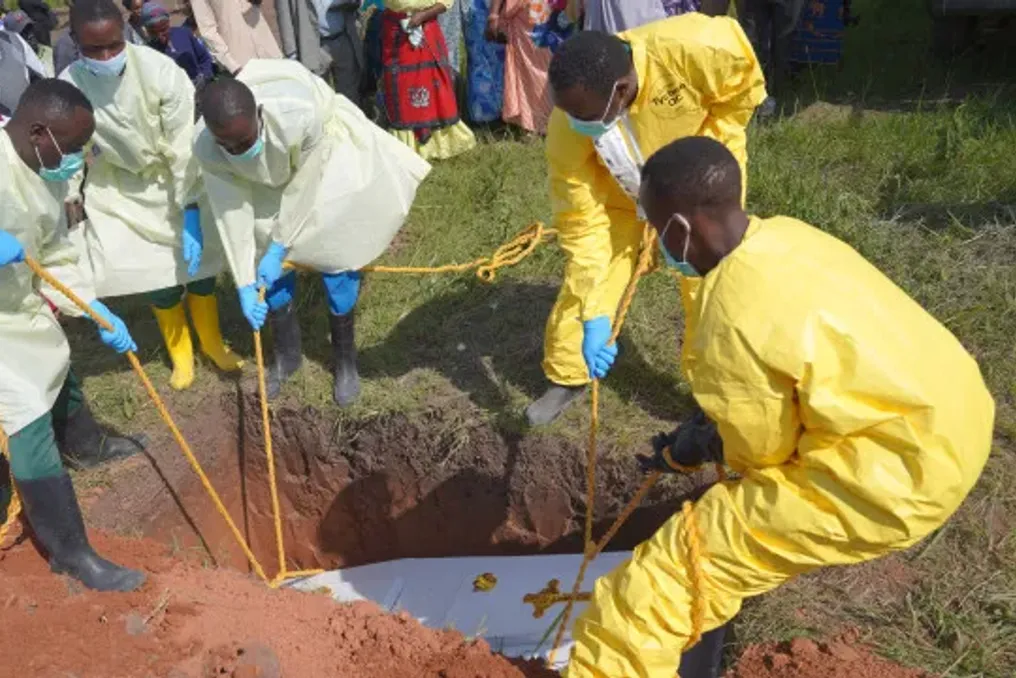
The Ebola outbreak in the Democratic Republic of Congo (DRCongo) has surpassed the mark of 11 thousand cases, according to government notification, while the disease continues to spread across the national territory.

The latest data released by the Ministry of Health indicates that 11,042 individuals have been infected with the deadly virus, resulting in 5,387 deaths, which represents almost half of those infected. This event constitutes the deadliest outbreak ever recorded in DRCongo. Additionally, 2,990 patients have recovered so far, and another 651 remain under hospital care or in isolation.

Health authorities reported that the contact tracing rate reached 79.7%. The eastern provinces of Ituri and North Kivu are the most affected areas, concentrating 57.7% and 32.7% of the new cases registered on November 9, respectively.

The outbreak began in mid-May in the province of Ituri. Since then, Congolese authorities have faced great difficulties in containing it due to multiple factors, including armed conflicts, weaknesses in the health system, precarious access infrastructure, and acts of violence perpetrated by residents motivated by misinformation and distrust.

The Bundibugyo strain, responsible for this epidemic, has no known vaccine or treatment and has already spread to eight of the country's 26 provinces. The World Health Organization (WHO) is developing two vaccines, whose human trials have already demonstrated safety, although the development process may take several months.

In parallel, DRCongo implemented an Ebola immunization campaign at the end of August using the Ervebo vaccine, which is the only one available on a large scale. Although initially designed for the Zaire variant (the most common), it showed positive efficacy against the Bundibugyo strain in animal trials.

The increase in violence in the two main hotspots of the disease, Ituri and North Kivu, has caused apprehension among healthcare professionals, who have requested a cessation of confrontations to guarantee unrestricted access for medical teams. Health units and medical professionals have also suffered attacks from community members who show skepticism towards the virus.

Experts recommend reinforcing efforts to slow down and control the disease in DRCongo, given that it has already spread to other African nations. The epidemic reached neighboring Uganda, where the WHO declared the end of the outbreak on August 26 after recording 20 confirmed cases, 15 of which were imported from DRCongo and resulted in two deaths.

Cases linked to the Congolese outbreak have been identified in two other African countries: Kenya (with nine cases and two deaths) and Nigeria (with one case). Furthermore, one case related to the epidemic was detected in France. Four people who contracted the virus in DRCongo were transferred to the Netherlands (one), Germany (two), and the United Kingdom (one).

This outbreak marks the 17th Ebola epidemic to affect DRCongo and is established as the second deadliest of the disease in world history, although it still falls short of the most severe epidemic recorded, which caused about 11 thousand deaths and 28 thousand infections in West Africa between 2014 and 2016. The Ebola virus is transmitted through direct contact with the body fluids of infected people or animals and causes severe hemorrhagic fever, vomiting, diarrhea, and internal bleeding.

Popular