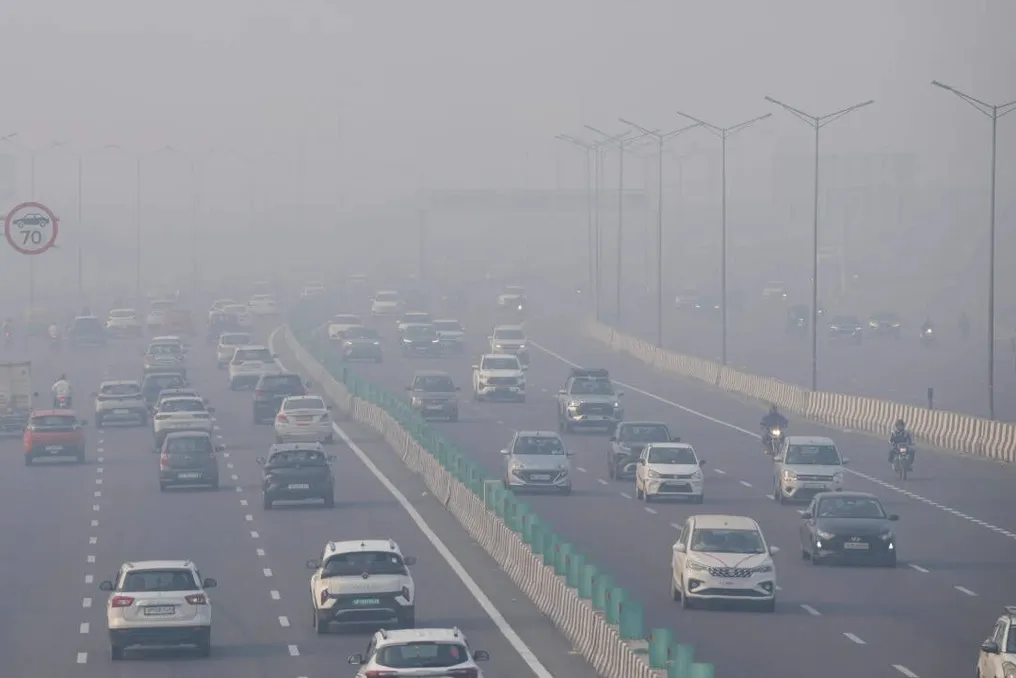
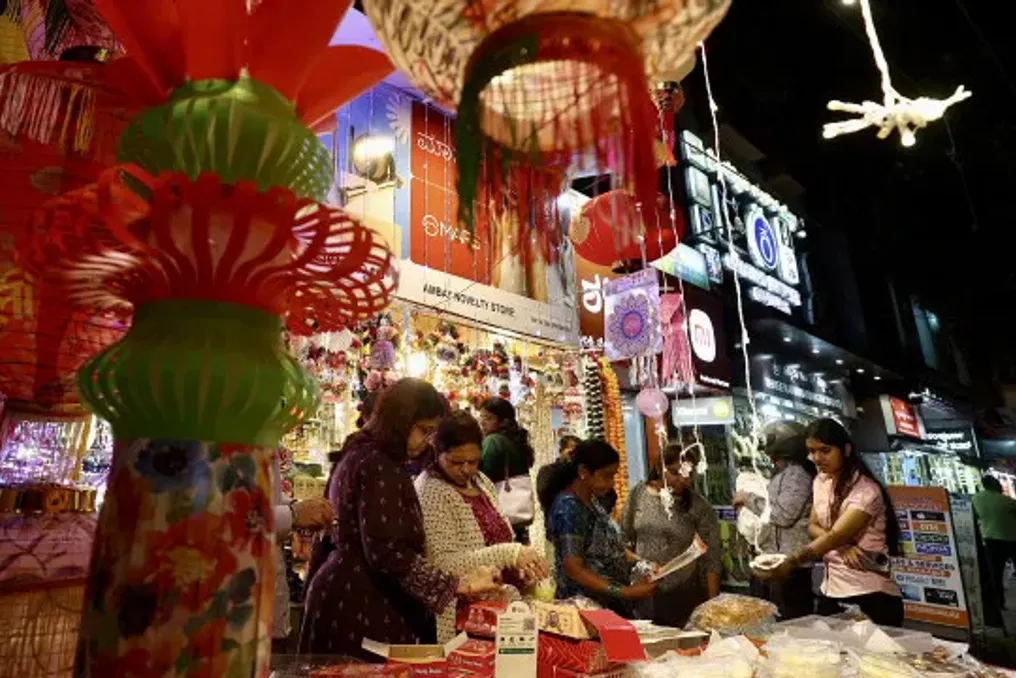
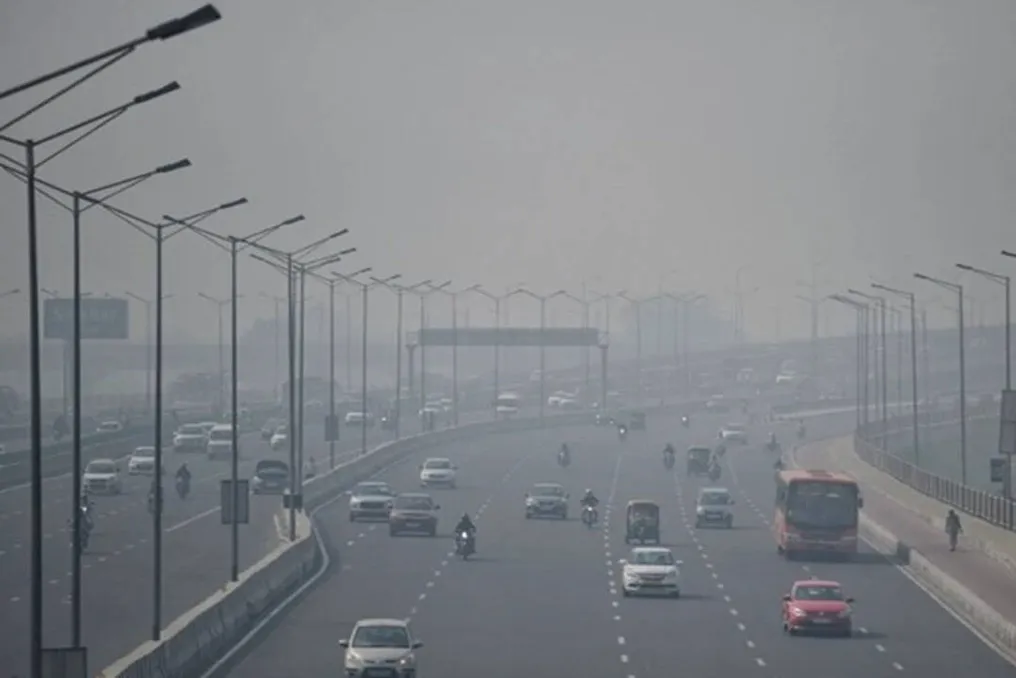
A thick layer of pollution enveloped the Indian capital after fireworks illuminated the sky of New Delhi during the Diwali festivities, known as the Festival of Lights.
The use of rockets further raised pollution levels, which were already dangerously high, intensifying the annual seasonal air quality crisis affecting the city. Despite restrictions imposed on fireworks, New Delhi residents celebrated the Hindu festival of lights using rockets on Sunday night, releasing smoke and fine particulate matter into the atmosphere.
The following morning, the Air Quality Index exceeded 350 in various parts of the capital, classifying it in the 'severe' category and presenting considerable health risks. Monitoring stations spread across the city recorded equally worrying levels, while visibility decreased under a grayish haze covering both streets and tall buildings.
In October, the Supreme Court of India sought to mitigate the pollution generated by Diwali by limiting traditional fireworks and authorizing only so-called 'eco-friendly fireworks,' provided they were approved under specific conditions and within three-hour windows on Saturday and Sunday. However, even these alternative rockets, although emitting fewer gases, are not free from pollution, as they also release particulate matter and other contaminants, worsening the already dangerous air quality in the region.
New Delhi and its metropolitan area, home to over 30 million inhabitants, consistently rank among the most polluted regions on the planet during the winter period. The situation worsens when Diwali fireworks coincide with colder weather and smoke resulting from agricultural waste burning in the neighboring states of Punjab and Haryana.
After the rice harvest, farmers often burn crop residues to prepare the soil for the next planting. This smoke is carried by the wind towards New Delhi, adding to the pollution originating from vehicles, industries, construction dust, and other local sources. The problem reaches a special level of severity between late October and November, a period when lower temperatures, low wind speed, and atmospheric stagnation prevent adequate pollutant dispersion, resulting in a dense haze that can persist over the capital and its surroundings for several days.
New Delhi authorities have implemented various measures to control pollution, including restrictions on construction activities and the use of diesel-powered generators, as well as judicial interventions to limit the use of pyrotechnics. However, these measures have proven insufficient to prevent the annual return to severe contamination levels. Environmentalists argue that long-term solutions, such as adopting cleaner energy sources and imposing stricter controls on vehicle emissions, are essential to prevent the recurring crisis.