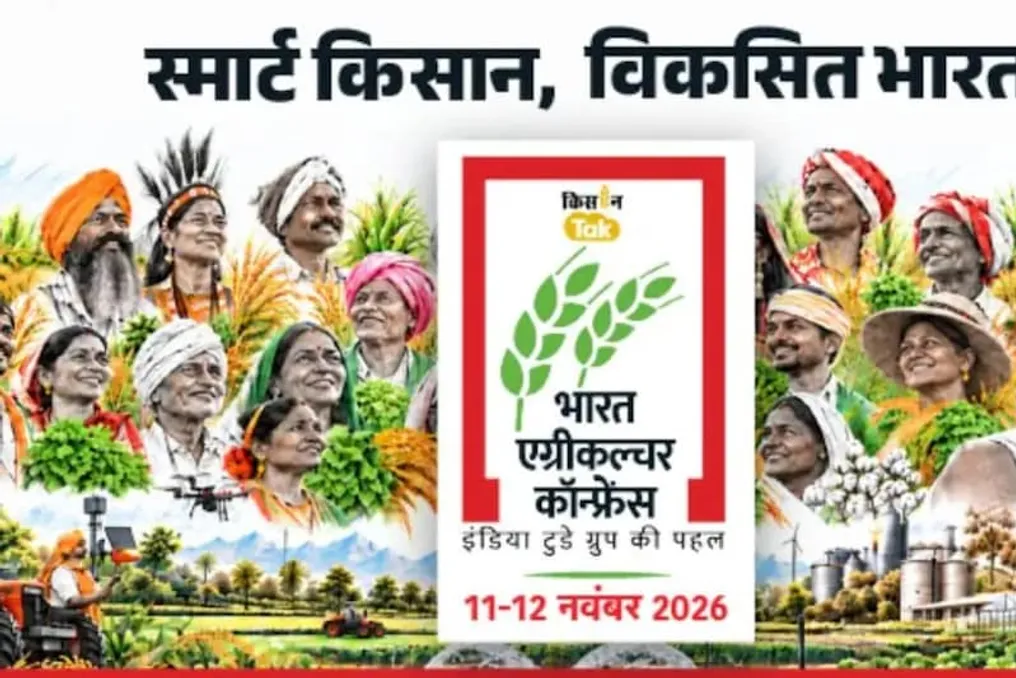
At the 'Kisan Tak Bharat Agriculture Conference 2026,' it was emphasized that simply increasing production volumes is insufficient for the development of Indian agriculture; strengthening the entire value chain in the agricultural sector is critically important. Modern technologies, artificial intelligence (AI), data, and agricultural machinery play a key role in this transformation.
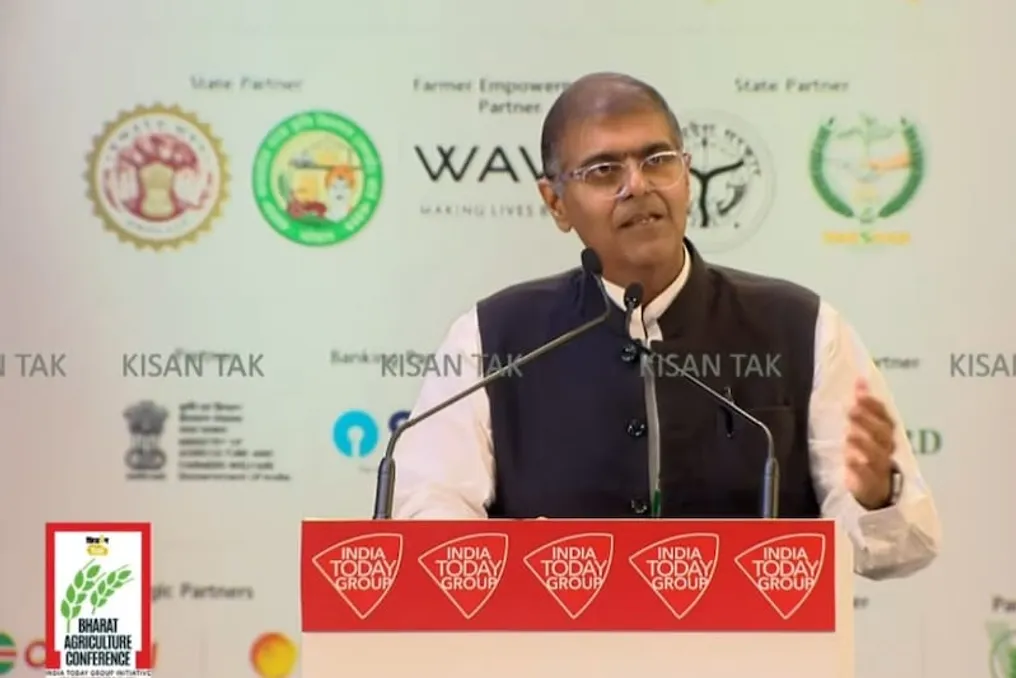
Vijay Nakra, President of the Agricultural Equipment Division of the Mahindra & Mahindra Group, stated on Wednesday that the Indian agricultural sector is undergoing significant changes, and the country has an opportune moment to leverage these opportunities. He also presented the concept of the 'smart farmer' for the future of agriculture.
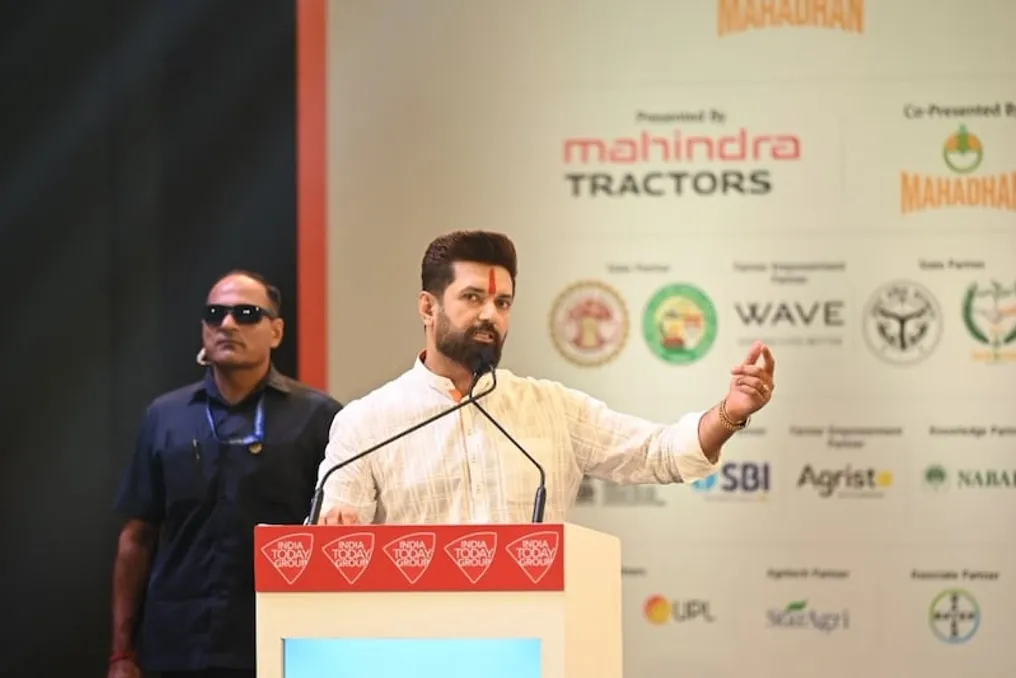
Speaking on the first day of the conference, organized by India Today Group at Bharat Mandapam in Delhi, Nakra pointed out that food security is a prerequisite for the development, prosperity, and safety of any nation, and the primary responsibility for it lies with the farmers. He added that society as a whole must help farmers cope with issues such as changing weather, climate instability, rising costs, labor shortages, and pressure on natural resources.
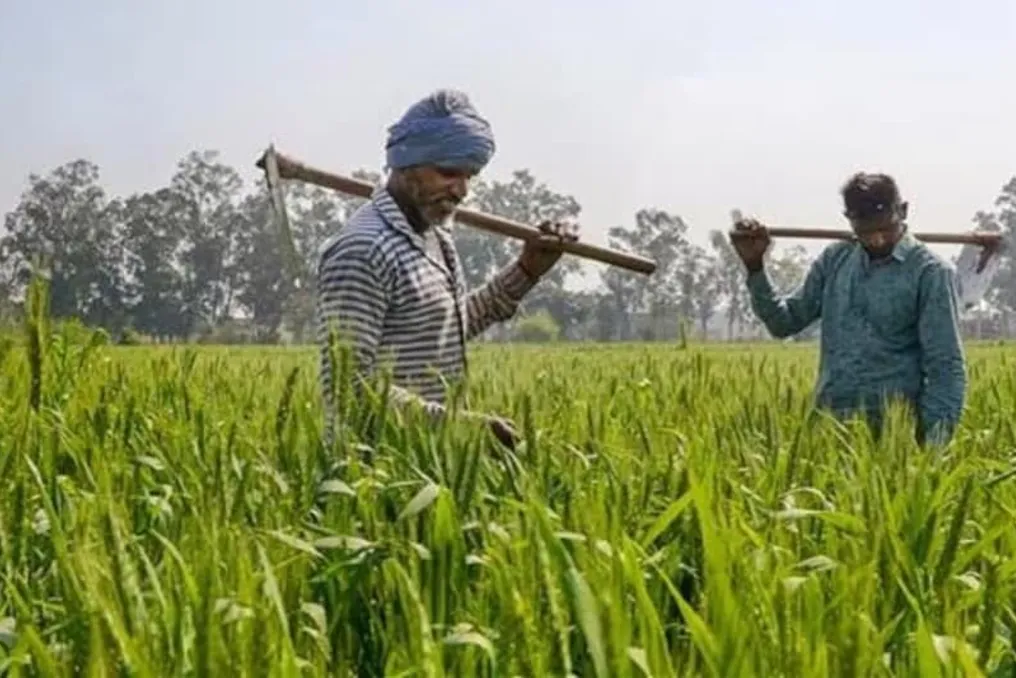
Despite numerous difficulties, Indian farmers continue to innovate, adapt to conditions, and move forward. Nakra stressed that the contribution of farmers goes beyond meeting their families' needs, influencing rural communities, the economy, and the progress of the country. He also emphasized that the responsibility for supporting farmers rests not only with the government but also with the private sector, the state, and the media, who must jointly develop solutions to enhance farmer resilience amid uncertainty.
Highlighting that India is the third-largest global economy and a major agricultural producer, Nakra noted that despite this, the yield per hectare in the country remains lower than in several other agrarian economies. Therefore, the current task is not just to increase grain volume but also to create more value from every hectare of land, every drop of water, and every effort of the farmer.
He added that the success of the agricultural sector should be measured not only by field production but also by the additional value added throughout the entire value chain—through storage, logistics, food processing, and market access.
Nakra pointed to serious challenges facing farmers and policymakers, such as stubble burning, water availability, and soil health. Water demand will grow in the future, as the need for water will increase not only in agriculture but also in industries like manufacturing, power generation, and data centers. Therefore, states will have to balance development with agricultural stability.
He explained that a range of new technologies helps solve these problems. For example, Zero Tillage and multi-cropping methods allow sowing directly into the field without removing crop residues. Baller machines help collect stubble, reducing the need for burning, which contributes to improving soil health and rational resource use. Furthermore, sensors, software, AI, and drip irrigation systems can significantly contribute to water conservation and climate adaptation.
Nakra also emphasized the need for mechanization in the agricultural sector. He reported that the level of mechanization in India is less than 50%, whereas in developed countries, this figure approaches 90%. This indicates significant potential for growth in agricultural machinery and mechanization in India. He specified that the use of machinery should not only increase production but also make the work of farmers easier, safer, and more convenient. In this regard, companies are working on creating economical tractor cabins, autonomous vehicles, and smart devices for precision farming. Investment is also growing in alternative fuels, telematics, and the new generation of agricultural equipment.
In Vijay Nakra's view, the biggest change in the future of agriculture will come from the combined application of artificial intelligence, data, computing power, and semiconductor technology. These technologies will enable farmers to make decisions based on accurate data rather than assumptions. He predicts that AI-based recommendation systems, computer vision, autonomous tractors, and humanoid technologies will change farming practices.
This will allow farmers to receive real-time information about soil conditions and simplify the early detection of plant diseases and optimization of water use. However, Nakra warned that merely implementing new technologies is not enough; companies bear the responsibility of ensuring that these solutions are accessible, simple, and within reach of farmers. This requires funding.