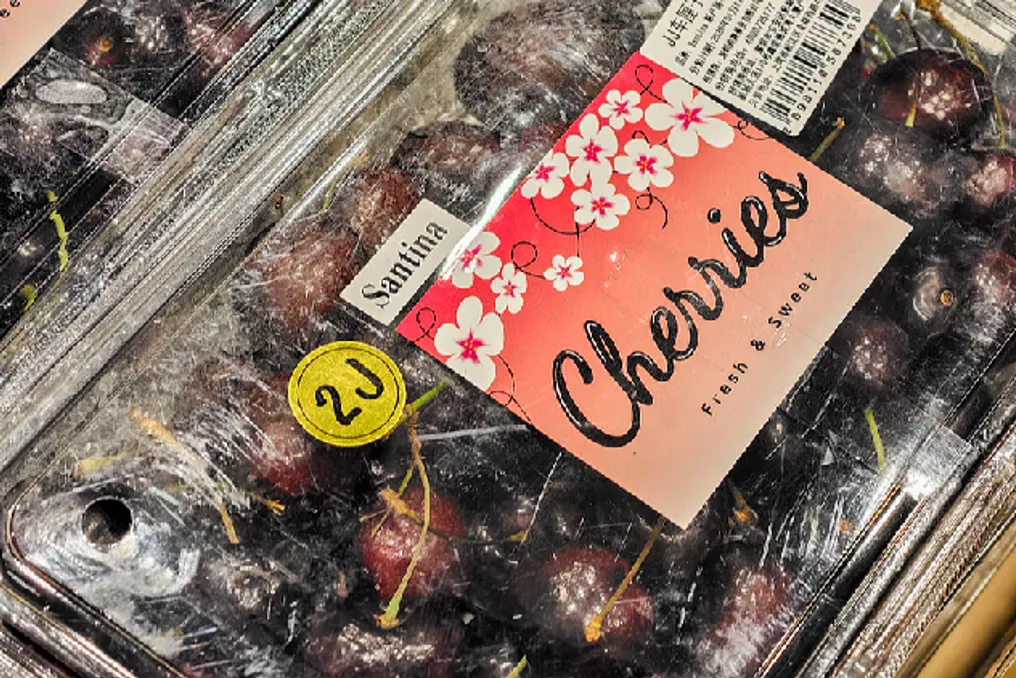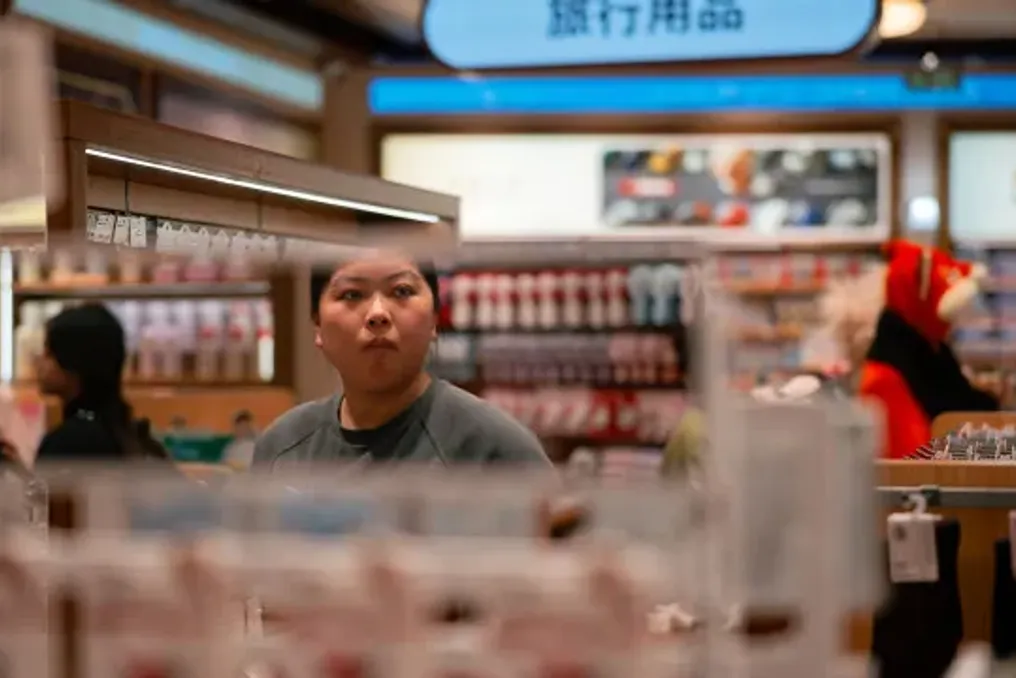
Singles' Day, China's largest shopping festival, demonstrates difficulties in stimulating demand despite discounts offered by digital platforms, which is linked to low public confidence.
This festival, known as '11.11' and celebrated on November 11, serves as an important indicator of consumer activity in the world's second-largest economy, although advertising campaigns begin long before this date.
According to the analytical platform Syntun, total sales up to October 31st only slightly exceeded one billion yuan (about 130 billion euros), comparable to last year's figures. In 2025, total sales reached a record nearly 1.7 billion yuan (230 billion euros), aided by the extension of promotional activities.
Max Zenglein, Senior Economist for Asia-Pacific at The Conference Board research center, stated that 'optimism regarding the recovery of domestic demand has faded.' He added that improvements in confidence have been 'repeatedly short-lived.'
China's economy grew by 4.6% in the first nine months of the year, mainly driven by exports, while retail sales increased by only 1.1%, according to official data. The ongoing real estate crisis continues to negatively affect household confidence. Housing prices have dropped by approximately 20% or more from their 2021 peak, reducing the sense of well-being among owners.
In Foshan, Guangdong province, 24-year-old Gabby Liang reported cutting back on online purchases, especially non-essential items. 'Last year, during Singles' Day, I bought a lot of skincare products. But this year I hope to buy less,' she told the Associated Press.
For Yalin Jiang, founder of the consulting firm ApertureChina, consumers are facing growing 'discount fatigue' due to the increase in promotional activities throughout the year. She explained: 'Previously, people waited for the biggest discounts of the year. But that is no longer happening because the festival has expanded to many platforms and lasts for a whole month.'
In response to slowing consumption, Chinese e-commerce giants are implementing artificial intelligence (AI) to boost sales. Alibaba integrated its AI model Qwen on Taobao and Tmall platforms to simplify ordering and personalize product recommendations.
The weakness in domestic demand contrasts with the dynamism of Chinese exports, which grew by 35% in October, supported by technology goods including semiconductors and electric vehicles. Despite the overall decline in consumption, some segments continue to grow, particularly health and wellness-related products. According to the consulting firm WPIC Marketing + Technologies, online sales of imported fish oil rose by almost 43% over the 12 months ending in September.
Zenglein believes that strong export growth reduces pressure on Chinese authorities to take more decisive action to stimulate consumption. He noted: 'As long as China continues to pursue its industrial and technological ambitions, political figures will have little incentive to fundamentally rebalance the economy towards household demand.'