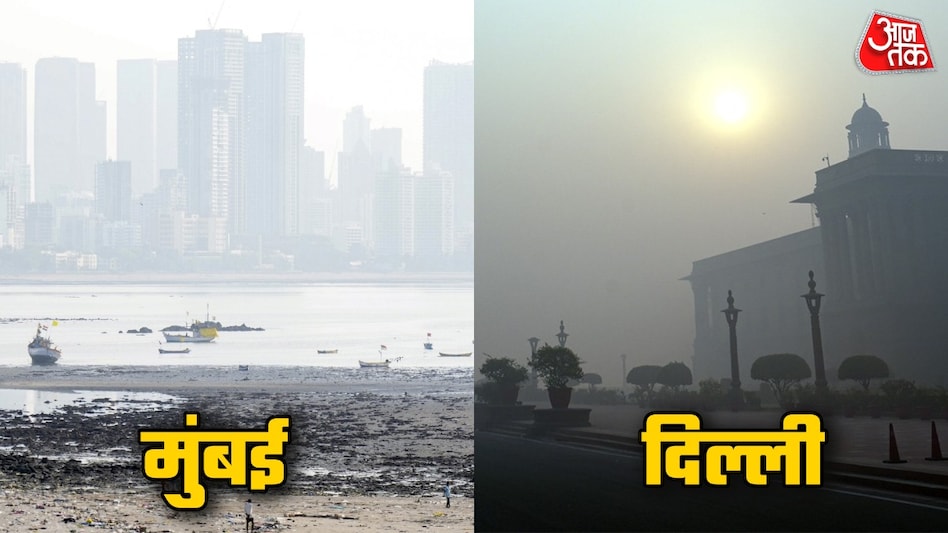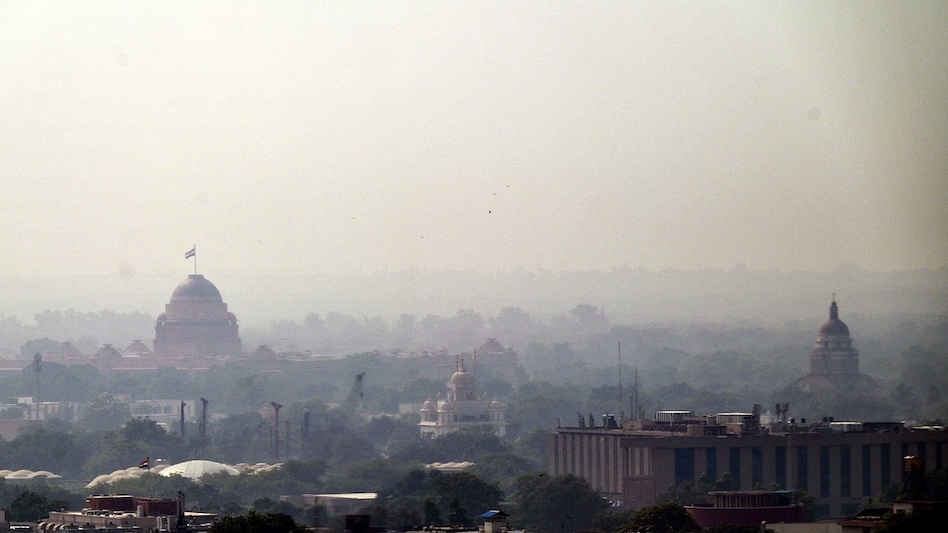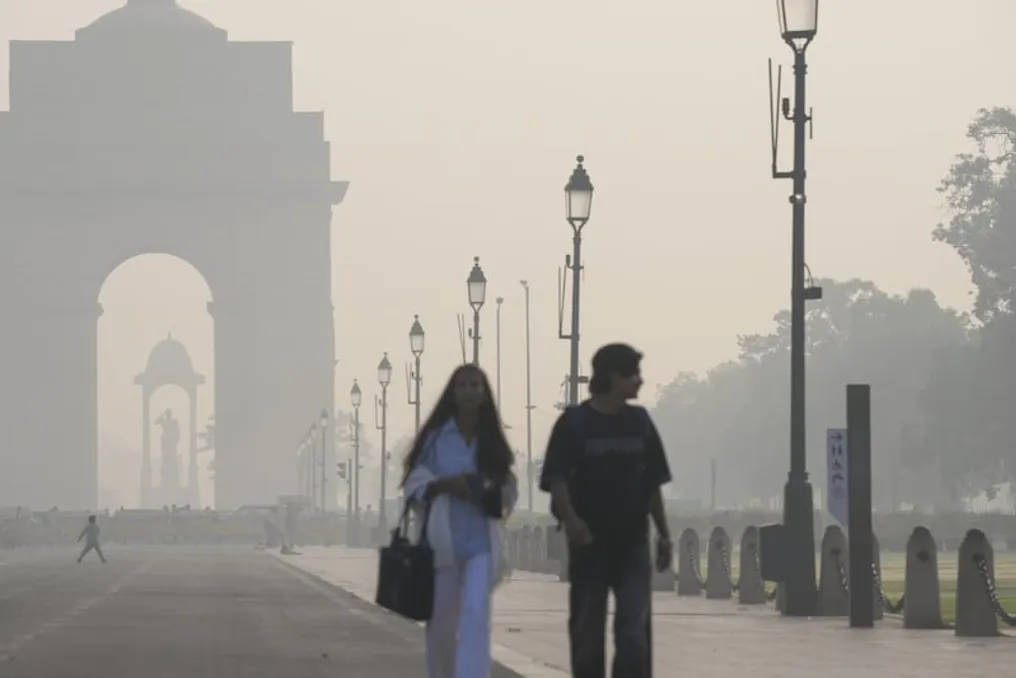
During the Diwali celebration, air pollution increases in both Delhi and Chennai due to the use of fireworks. However, there is a significant difference in how quickly the air clears after the festival: in some cities, it recovers within a few days, while in others, the problem persists even after a week.
This situation repeats annually in the Delhi-NCR region. In contrast, in cities like Chennai and Hyderabad, air quality significantly improves shortly after Diwali. The study, based on three years of data, explains this difference by pointing out that the cause lies not only in fireworks but also in meteorological conditions and the geographical location of the cities.
The environmental organization Climate Trends studied Air Quality Index (AQI) data for nine cities across the country from 2024 to 2026. The sample included Delhi, Gurugram, Lucknow, Patna, Chandigarh, Mumbai, Hyderabad, Bangalore, and Chennai. Daily AQI bulletins from the Central Pollution Control Board (CPCB) were used to collect the data.
According to the study's findings, the AQI rose in all nine cities during Diwali throughout the three years. Nevertheless, the speed of air recovery after the festival varied. In Chennai and Hyderabad, the air returned to pre-Diwali levels or improved within a week after the festival. In Delhi, Gurugram, Lucknow, and Patna, the impact of pollution persisted for a longer period.
Data from Delhi indicates that air quality issues here do not begin solely with Diwali fireworks. In 2024, the average AQI in Delhi before Diwali was 295. During the festival, it rose to 334, reaching 366 in the following seven days. In 2025, the AQI before the festival was 242, then increased to 348 and dropped to 304. In 2026, the reading before Diwali was already 347, and during the festival it increased to 360; however, data for the seven days after Diwali in 2026 was not included in the study.
Chennai presents a different example. In 2024, the AQI before Diwali was 108, and during the festival it reached 178. However, the following week it dropped to 71. In 2025, the AQI rose from 71 to 111, and then fell to 58. In 2026, Chennai experienced the most significant increase in AQI among the nine studied cities—a rise of 139%, when the AQI went from 70 to 168.
Overall, the picture in Chennai and Hyderabad was different. In 2024, the AQI in Chennai was 178 on Diwali day, but it dropped to 71 the following week. In 2025, it decreased from 111 to 58. In Hyderabad, the AQI decreased from 117 to 108 in 2024, and from 99 to 67 in 2025. Notably, in 2026, the AQI in Chennai reached 168, up from 70. It should be noted that data for the seven days after Diwali this year is unavailable, making it impossible to conclude on the speed of air improvement in 2026.
In Lucknow and Patna, pollution also persisted for a long time after Diwali. In 2024, the AQI in Lucknow before the festival was 128, on the day of the festival it was 244, and the following week it was 204. In 2025, it rose from 141 to 197, and then dropped to 166. In 2026, the AQI in Lucknow was 239, up from 150. In Patna, in 2024, the AQI rose from 126 to 190, reaching 237 the following week. In 2025, it rose from 125 to 180, and then dropped to 161. In 2026, the AQI in Patna was 233, up from 111.
In Bangalore, the AQI during Diwali in 2024 was 122, and the following week it dropped to 88. In 2025, it rose from 66 to 76, and then returned to 68. In Mumbai, in 2024, the AQI rose from 115 to 168, remaining at 159 the following week. In 2025, it rose from 129 to 200, but dropped to 71 the following week. In 2026, the AQI in Mumbai was 152, up from 93.
In Gurugram, the AQI also increased during Diwali. In 2024, it rose from 204 to 302, and after the festival it was 281. In 2025, the AQI reached 332, and the following week it dropped to 212. In 2026, the AQI before Diwali was 300, and on the day of the festival it rose to 316.
As for Chandigarh, in 2024, the AQI before Diwali was 191, on the day of the festival it was 256, and the following week it was 262. In 2025, it rose from 123 to 130, and then remained at 129. In 2026, the AQI in Chandigarh was 110, up from 82. Data for the seven days after Diwali in these cities are also missing.
According to the study, in October-November, the speed of air movement slows down in North India due to increasing cold. Under such conditions, pollution particles settle close to the ground instead of dispersing into the atmosphere. Temperature changes also hinder the rise of these particles. Furthermore, smoke from stubble burning in Punjab and Haryana can reach Delhi-NCR and surrounding plains, intensifying pollution.
Conversely, in coastal cities like Chennai, sea breezes help disperse pollutants. Seasonal rains also assist in removing these particles from the air. Meanwhile, in Hyderabad and Bangalore, relatively strong winds prevent pollution from lingering in the air for long.
Dr. Palak Bhyalan, head of the Climate Trends study, emphasized that the rise in AQI during Diwali and the prolonged persistence of pollution are two different phenomena. The rate of air clearing depends on the geographical location and weather conditions of a specific city.
The main conclusion of this study is that simply restricting the use of fireworks around Diwali is insufficient to combat pollution in Delhi-NCR.