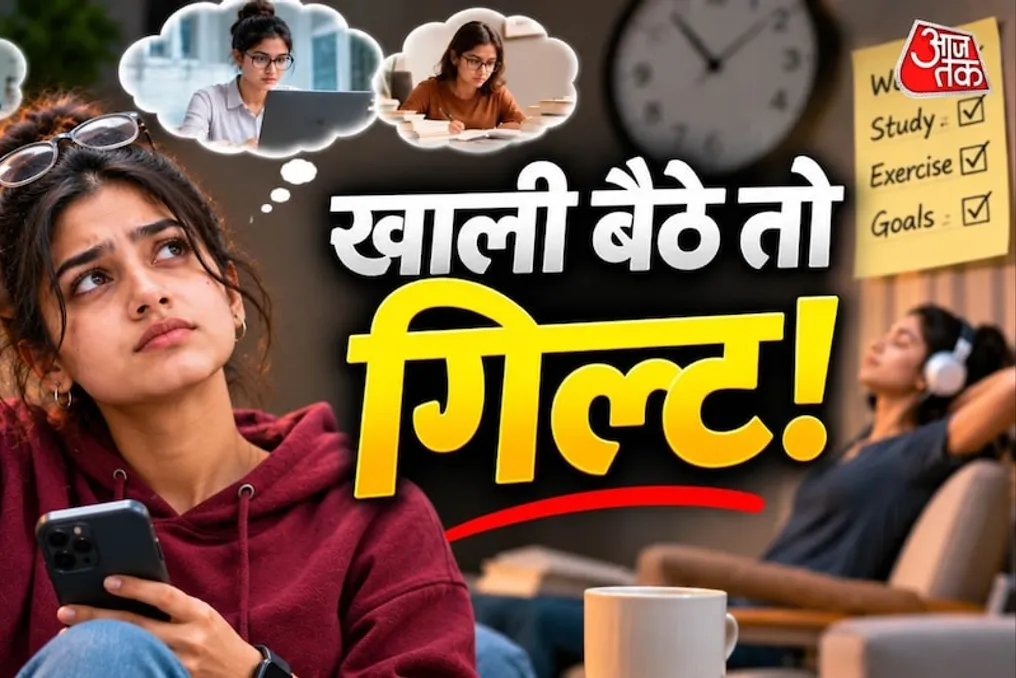
Generation Z faces difficulties in leisure due to feelings of guilt over unproductive time
Read more
Aaj Tak
www.aajtak.in

Generation Z faces difficulties in leisure due to feelings of guilt over unproductive time

In the fast pace of modern life, it has become difficult for many young people to simply do nothing. Instead of relaxing after work, watching a movie, or just lying down, they often wonder what they could be doing during that time. Even when observing others on social media who are studying, working, exercising, or acquiring new skills, young people feel like they are wasting their time. This state is called 'productivity guilt.'

Why does anxiety arise even during rest? One reason for this mindset among Generation Z is the constant pressure to remain productive. Today's youth believe they should be acquiring new skills in addition to studying or working, paying attention to physical fitness, and advancing their careers. In such conditions, when they are resting, they feel like they are falling behind others.

A study published in the Journal of College Student Development in September-October 2025 surveyed 280 college students. It found that while students recognize the need for rest for studying and work, they experience guilt when stopping work to rest. According to the study, anxiety about unfinished tasks, as well as obligations related to studies, work, and other areas, prevents them from resting. Many students only realize the need for a break when they start experiencing fatigue, headaches, or vision problems.

It is important to understand that constant busyness does not guarantee success. Ensuring rest for the body and mind is equally important. Idleness does not always mean wasting time; sometimes it is necessary to spend time alone without doing anything specific. Generation Z needs to understand that they do not have to achieve something at every moment of life. Rest is not laziness; it is taking care of one's own needs.

Similar stories

Generation Z creates multiple income streams, striving for financial independence
Read more
www.aajtak.in

Generation Z creates multiple income streams, striving for financial independence

The young Generation Z does not want to depend on only one job or one source of income; they strive to have additional ways to earn money besides their main salary. Some engage in freelancing alongside their work, while others try to earn through online business or social media.

The main driving force behind this trend is not only the desire to earn more money but also the aspiration to ensure financial freedom and future security.

Inflation, rising expenses, and uncertainty in the labor market have prompted young people to seek alternative ways of earning. They believe that if they lose their job or do not receive a raise for any reason, an additional income stream can help them.

According to a study published by Rukam Capital in 2026, 80% of Generation Z representatives in India either want or already have multiple sources of income. These options include freelancing, side hustles, investments, content creation, and gaming. The study involved 4002 young people aged 18 to 29.

The advantages of having multiple income streams are not limited to money. It also gives young people the opportunity to do what they enjoy. Some pursue photography after office work, some create content, and some monetize their creative skills through freelancing. Thus, they can turn their interests into a source of income.

Generation Z also understands that relying solely on one job is not always the optimal option. In conditions of job changes, layoffs, or sudden increases in expenses, additional income can provide financial support. This is why young people are now focusing not only on high-paying jobs but also on creating diverse earning paths.

Nevertheless, instead of starting many things at once, it is important to approach this according to one's capabilities and time. Ultimately, the goal of creating multiple income streams is to simplify life, not increase the workload.

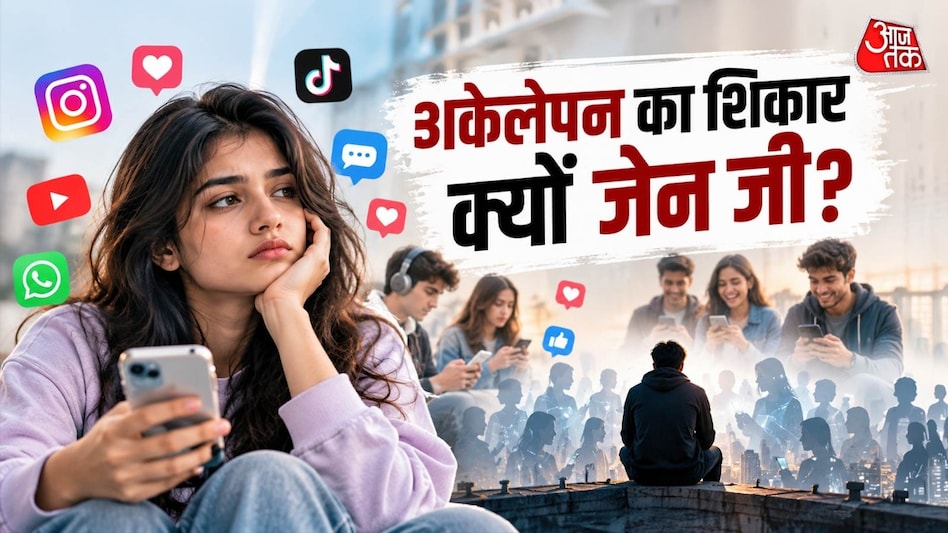
Reasons for loneliness among Generation Z: Despite online connections, young people experience isolation
Read more
www.aajtak.in

Reasons for loneliness among Generation Z: Despite online connections, young people experience isolation

Modern Generation Z has numerous ways to stay connected with friends using platforms such as Instagram and WhatsApp, as well as other social networks. Although they receive likes and comments on their posts, many members of this generation still feel lonely. This raises the question of why young people feel isolated despite extensive online contacts.

According to the article Feel Fuzzy, 80% of Generation Z members experienced loneliness over the past year, compared to 45% among baby boomers. Furthermore, a 2025 study by Human 8 Research showed that 62% of young people worldwide are finding it difficult to form deep and meaningful relationships. This means that even with a long list of friends, many young people cannot find someone with whom they can talk openly.

A significant reason for the loneliness of Generation Z is the excessive use of social media. According to the report, young people spend about 7.2 hours daily viewing online content. Watching friends' stories, scrolling through reels, and liking posts have become their daily habit. However, liking someone's photo and sharing one's true feelings are completely different things; online connections do not always translate into real friendship.

Modern communication primarily takes place through messages and chats. While this facilitates conversation, the experience of meeting in person is different. When meeting someone, you can better understand their emotions and facial expressions. At the same time, the meaning of what is said in text messages can often be misinterpreted.

The social lives of Generation Z were most affected by the closure of schools and colleges during the coronavirus pandemic. Communication with friends decreased and was limited to calls or video calls. The report mentions the book 'Modern Friendship' by Anna Goldfarb, which indicates that the pandemic influenced how friendships are formed and maintained.

To reduce feelings of loneliness, it is not necessary to completely give up social media. One can start with small changes. For example, instead of just chatting, one should meet friends, reduce the time spent scrolling through feeds, and participate in activities that the person enjoys. It is important to understand that maintaining contact with thousands of people on social media and having deep relationships with someone are two different things. For Generation Z, it is crucial to dedicate time to both online connections and real friendship and interaction.

Popular