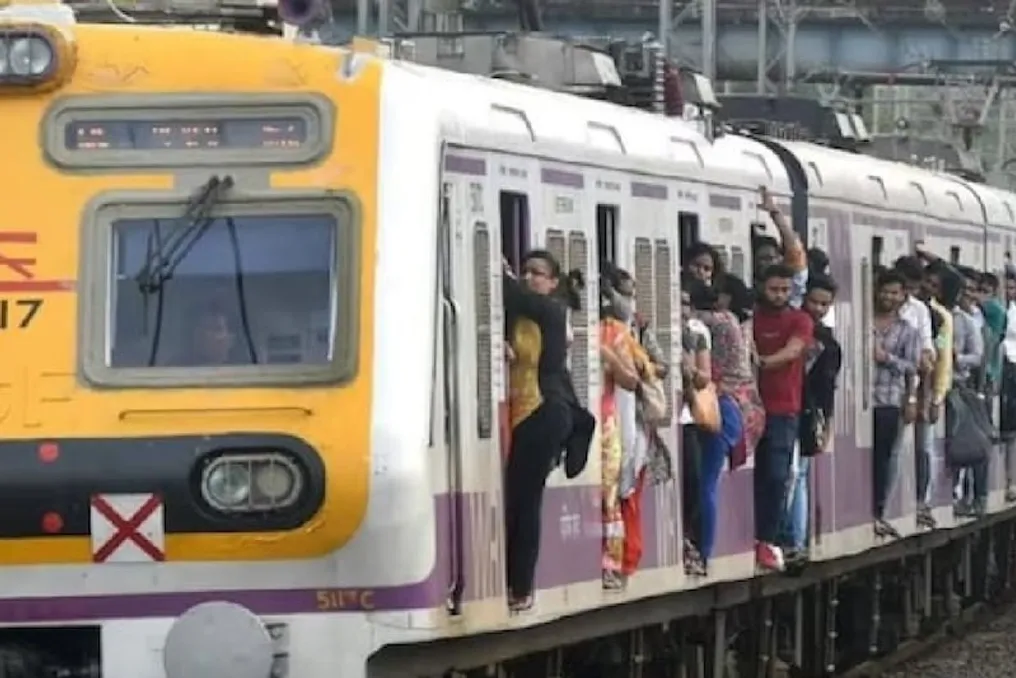
Mumbai is known for its fast-paced life, tall buildings, and the sea, as well as its local trains. Millions of people use these trains daily, and stations are often crowded. Due to lack of space, passengers are frequently forced to hold onto doors or stand on board, which is a dangerous but familiar part of city life.
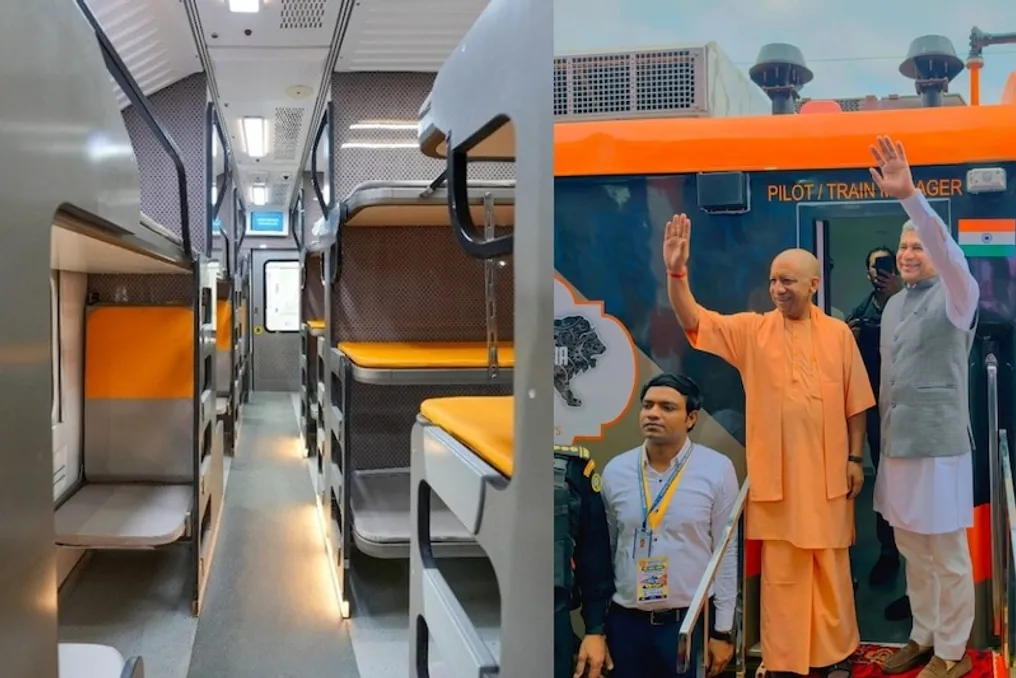
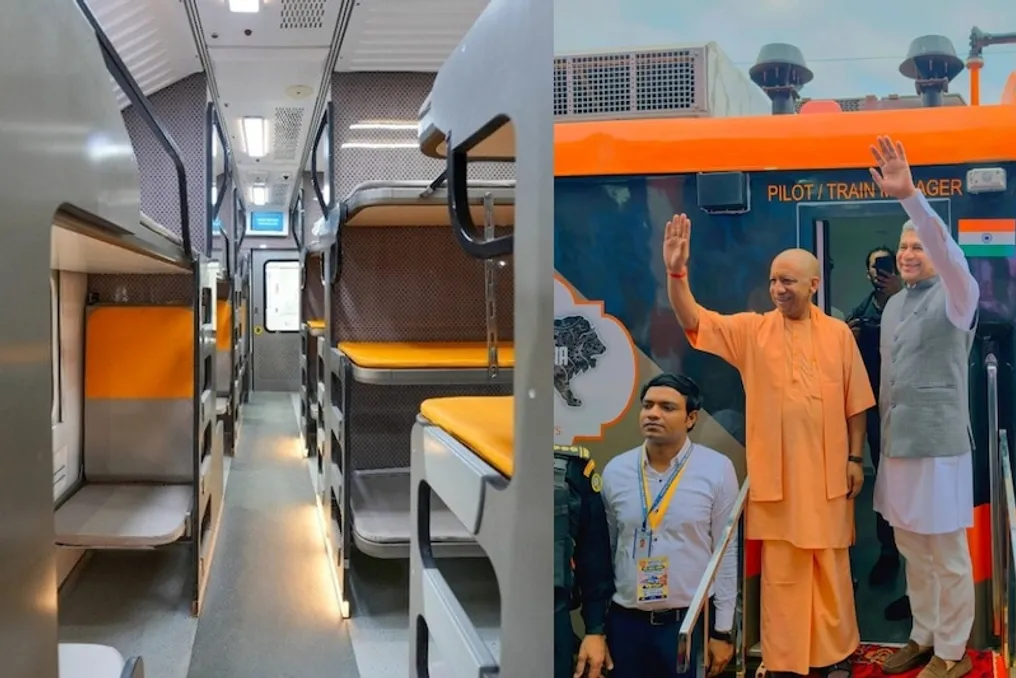
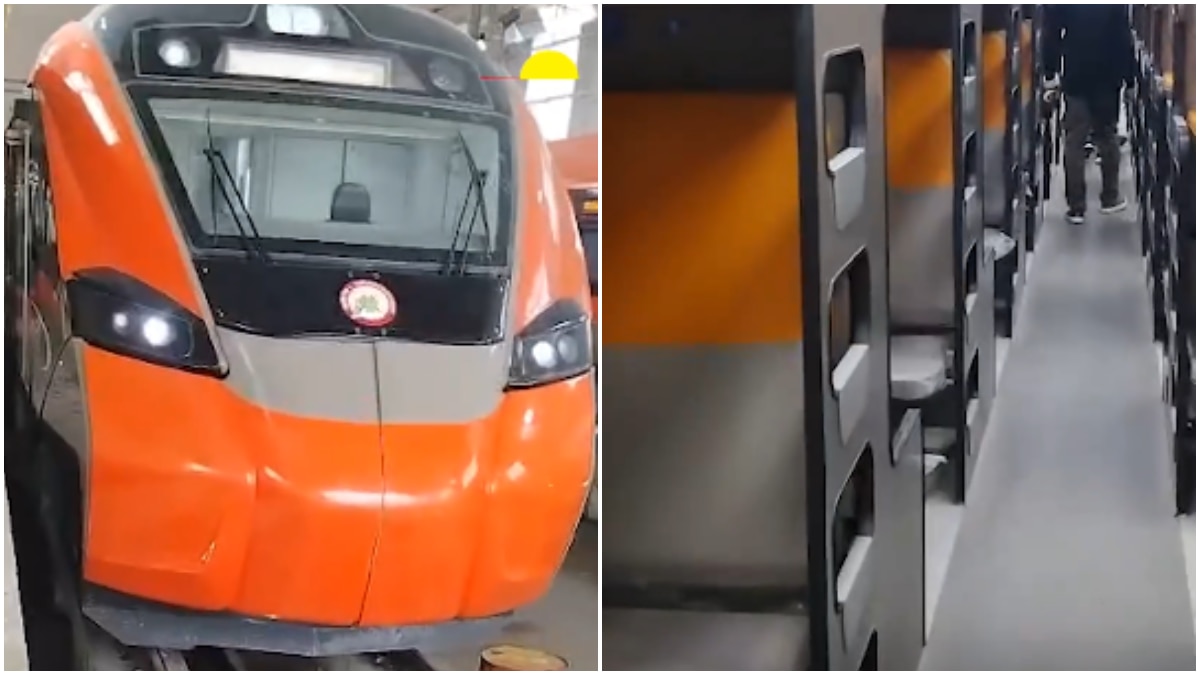
To change this situation, the railway has taken steps: the first Non-AC train with automatic doors has arrived in Mumbai. According to a report by The Times of India dated November 7, this 12-car rake was manufactured by the Integral Coach Factory (ICF) in Chennai. However, passengers will not be able to use it immediately; the railway must first conduct safety and operational tests, and only then will a decision be made to include it in regular passenger service.
The need for automatic doors in Mumbai's local trains has been felt for a long time, but after an accident in Mumbai on June 9, 2025, this need became even more acute. On that day, passengers standing near the doors of two overcrowded trains traveling in opposite directions lost their balance and fell onto the tracks. Five people died as a result of this tragedy, and many others were injured. This incident once again highlighted the danger associated with overcrowding and open doors on Mumbai's local trains.
Following the accident, Maharashtra Governor Devendra Fadnavis announced the gradual introduction of air-conditioned trains with automatic doors into Mumbai's local services. He stated that the central government had approved this proposal. The goal is to ensure a safety level comparable to the metro, but without imposing additional financial burdens on passengers. Although existing air-conditioned local trains in Mumbai already have automatic closing systems while in motion, it is now planned to implement a similar system in non-air-conditioned rakes.
The suburban railway service of Mumbai is a vital part of the daily lives of millions of residents of the city and its surroundings. According to the official website of the Mumbai Police Railway, approximately 70–80 million passengers use this route daily. Ensuring the safe transport of such a large number of people to their destinations presents a serious challenge for the railway, especially during morning and evening rush hours when trains are overloaded. Under such conditions, the situation where people are standing or hanging by the doors can be fatally dangerous.
Mortality statistics on the Mumbai railway network also underscore the seriousness of the problem. According to a report by The Indian Express, 2287 deaths were recorded in the Mumbai suburban railway network in 2025 by the Government Railway Police (GRP). This figure was about 7% lower than the 2468 deaths recorded in 2024. Nevertheless, in 2025, more than six people died on average every day. These figures include not only cases of falling from a moving train but also deaths that occurred for various reasons on the railway network.
According to statistics, 525 passengers died due to falling from a moving train in 2025, and 1063 people died while crossing railway tracks. In 2024, the number of fatalities from falling from a moving train was 570. These figures clearly show that safety issues in Mumbai's suburban railway network persist. The new train with automatic doors is intended to help prevent incidents where passengers fall from the train.
The main feature of the new rake is its automatic doors. These doors remain closed while the train is moving and only open upon arrival at the station. This will eliminate the possibility of passengers traveling while standing by or hanging out of the doors. The railway hopes that this system will help reduce the number of accidents related to falling from a moving train. However, one reason why doors on traditional non-air-conditioned Mumbai trains remain open is the need for fresh air intake. Since traditional Mumbai local trains do not have air conditioning, open doors ensure air circulation in the carriages. If these doors were completely closed, passengers could face stuffiness and heat, especially during peak hours. Considering this issue, the design of the new train incorporates a special ventilation system. The doors are fitted with louvred sections that allow air to enter even when the doors are closed. Furthermore, ventilators are installed on the roof of the train to maintain air circulation inside the carriages. The railway aims to provide passengers with a natural flow of air without relying on open doors. Thus, the new train represents an attempt to strike a balance between safety and ventilation. The effectiveness of this design will only become clear during actual operation and under high passenger traffic conditions.