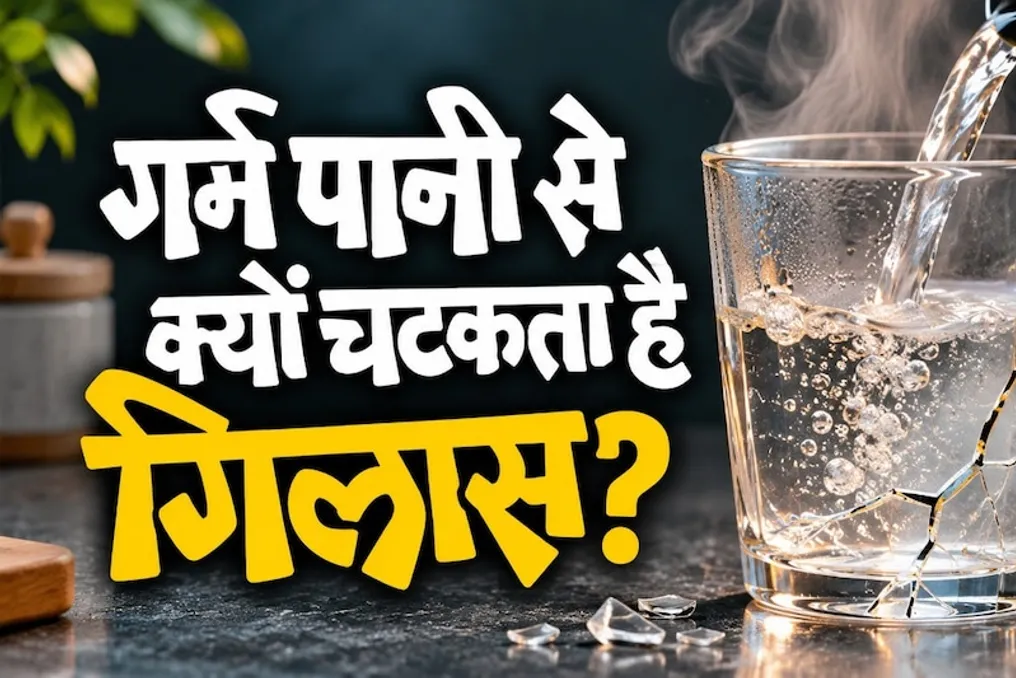
Why a glass can break when pouring hot water: an explanation of thermal shock
Read more
Aaj Tak
www.aajtak.in

Why a glass can break when pouring hot water: an explanation of thermal shock

Many people have encountered the situation where a glass suddenly cracks or shatters immediately after hot water is poured into it. Sometimes a loud sound is heard during pouring, and the glass breaks in half. A natural question arises: why does this happen if the water is just heating up?

The reason lies in a scientific phenomenon known as thermal shock. Glass is a material that cannot always withstand sudden temperature changes. When very hot water is poured into a glass made of cold or room-temperature glass, the inner part of the glass begins to heat up and expand rapidly. At the same time, the outer part remains cold and cannot expand as quickly.

This leads to an uneven temperature between the inner and outer parts of the glass. The inner part tries to expand, but the outer part prevents this. This creates tension and pressure on the glass. When this pressure exceeds the strength limit of the glass, cracks appear, and the glass can break.

Thermal shock occurs when an object's temperature changes abruptly. Simply put, suddenly pouring very hot water into a cold glass is a thermal shock for it. For example, if you fill a glass, just taken out of the refrigerator, with boiling water, the risk of it breaking increases. This happens because one part of the glass heats up quickly while another remains cold.

No, not every glass will break upon contact with hot water. This depends on the type of glass and its ability to withstand a certain level of heat. Ordinary glass glasses can easily crack with a sudden change in temperature. In contrast, borosilicate glass is made in such a way that it can better withstand sudden temperature fluctuations compared to regular glass. This is why it is used in laboratory ware and kitchen utensils designed for high-temperature use. Nevertheless, this does not mean that borosilicate glass will never break; it can also shatter with too large a temperature difference or sudden exposure to heat.

If you plan to use hot water in a glass, you should follow a few simple rules. You should not immediately pour boiling water into a glass just taken out of the refrigerator. For hot drinks, it is recommended to use special heat-resistant glasses. It is also important to avoid exposing the glass to extremely hot or very cold temperatures. If there are already small scratches or cracks on the glass, you should not pour hot water into it.

Thus, next time you pour hot water into a glass, be sure to pay attention to its temperature. The reason the glass breaks is not only the hot water itself, but the sharp difference in temperature between its inner and outer parts, which creates pressure and can lead to its destruction.
Similar stories

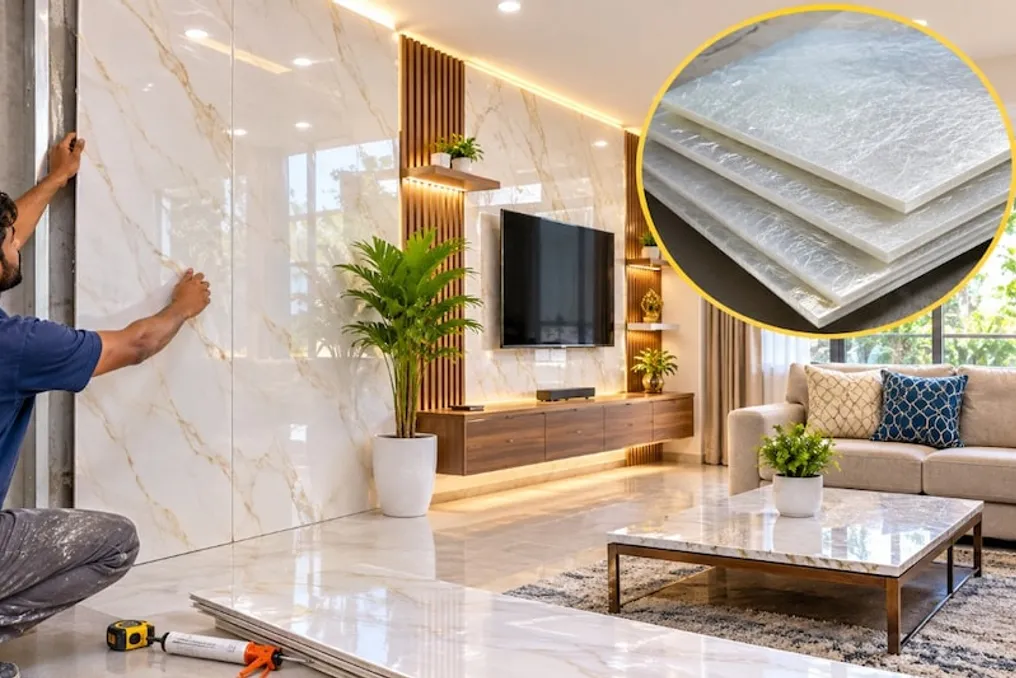
What is fiberglass and why is it becoming more popular than marble and tile
Read more
www.aajtak.in

What is fiberglass and why is it becoming more popular than marble and tile

Nowadays, people are increasingly using a special material instead of traditional marble and tile in their homes, and this material is called fiberglass. Demand for it in the market is growing, so it is important to understand what fiberglass is and what its features are.

Fiberglass is a modern and very strong material. It is made by mixing fine glass fibers with a plastic resin composition. In technical terms, it is also called 'glass-reinforced plastic' (GRP). This material is very light, yet possesses strength capable of competing with steel.

It is precisely because of these qualities that the demand for fiberglass sheets in the construction and interior design of residential and commercial buildings is rapidly increasing compared to marble and tile. Fiberglass has numerous advantages.

Marble and tile are quite heavy, which requires significant labor and time for their transportation and installation. In contrast, fiberglass is very light, allowing it to be easily installed on walls or roofs. The lightness of the material reduces the load on the building, as it does not add unnecessary weight to the overall structure.

Fiberglass is resistant to damage. While marble and tile can crack or break from falling heavy objects, fiberglass does not break as easily due to its flexibility and strength. It is not affected by sun, rain, or moisture, nor does it suffer from rust or termite infestation.

Unlike tile, where gaps can lead to water leaks and dampness, fiberglass is completely waterproof. Therefore, it is considered the best choice for bathrooms, kitchens, and roofs.

Furthermore, fiberglass is available in a wide range of designs and variations. While marble is difficult to cut and process, fiberglass can be molded into any custom shape, mold, or curved design. It can be given the appearance of marble, wood, or any other decorative tile, giving it a very modern and attractive look.

Marble can develop permanent stains from acid, tea, or oil, and its shine dulls. Fiberglass does not absorb stains and only needs to be cleaned with a damp cloth, eliminating the need for regular polishing.

Fiberglass is an excellent thermal insulator. It prevents excessive heating indoors in summer and severe cooling in winter, which contributes to energy savings. Whereas marble and tile become very cold to the touch, fiberglass does not have such properties.

Today, fiberglass is most often used to make bathtubs, roofing sheets, designer wall panels, kitchen countertops, and doors. Being economical, it provides a modern look and a long service life, which is what prompts people to abandon traditional marble and tile in favor of this material.

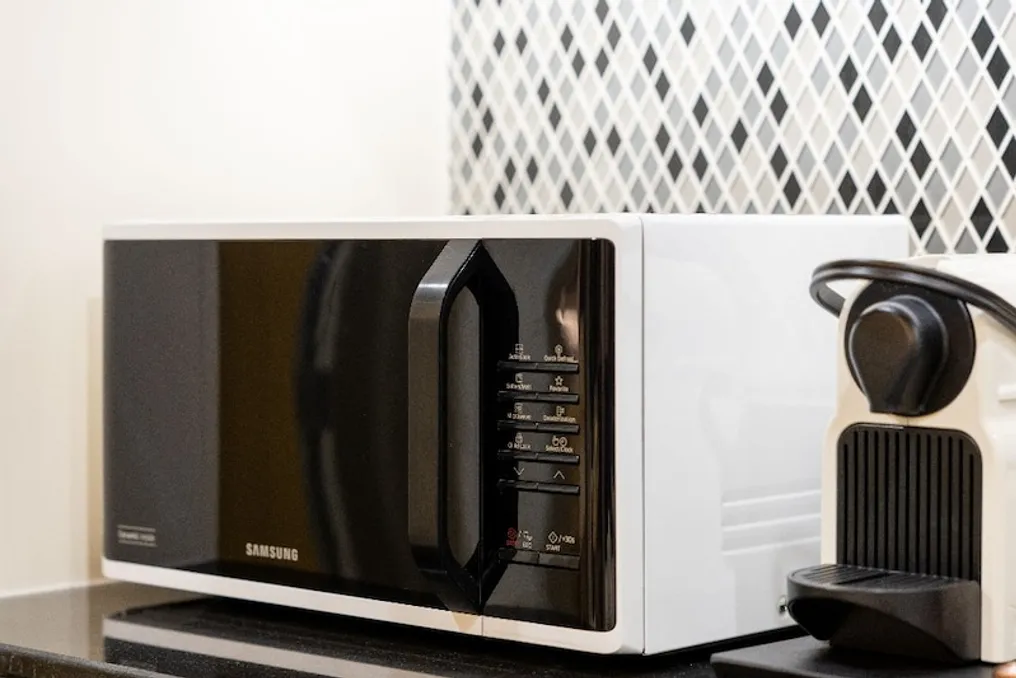
Why does microwave oven glass have dots: a scientific explanation
Read more
www.aajtak.in

Why does microwave oven glass have dots: a scientific explanation

When food is being cooked in an oven or microwave, people often look through the glass to check if the dish is ready. However, many notice small black dots around the edges of the glass. These dots are not merely a decorative element; there is a scientific basis behind them.

These elements help protect the glass surface from intense heat, maintain its strength, and ensure the safety of the door. The purpose of these dots will be discussed further.

The small black markings on the oven door glass are called 'frits' or ceramic frit patterns. They are created using a special ceramic paint, which is a mixture of glass powder, black pigments, and other components. This composition is printed on the inner surface of the outer layer of the glass during manufacturing. Subsequently, the glass undergoes a special treatment that firmly fixes these dots to the surface.

It is noteworthy that these dots are usually denser and darker black towards the edges of the glass. As they approach the center, they become smaller, and the distance between them increases. This is done intentionally to slow down the heat transfer to the glass.

The temperature inside the oven can be very high. Under such conditions, the inner surface of the glass door heats up significantly, while the outer surface remains relatively cool. This temperature difference between different parts of the glass can cause internal stress, increasing the risk of breakage.

According to a Readers Digest report, Professor Himanshu Jain, a materials science and engineering specialist from Lehigh University, notes that when one part of a material heats up significantly while another remains cold, the hot part expands, and the cold part does not. This creates pressure on the glass. In such conditions, the black dots play an important role by helping to reduce sudden temperature changes between different parts of the glass. This is especially true for changes around the glass and the metal frame of the door, which occur gradually. This helps reduce the risk of glass failure and maintains its strength. Simply put, these dots protect the glass from thermal shock caused by rapid temperature fluctuations.

The oven door glass must not only be strong, but its outer surface must also remain within a safe temperature range. If some parts of the glass overheat too much, there is a risk of burns upon contact. Ceramic frits help distribute heat evenly across the outer surface of the glass. This reduces the likelihood of excessive heat accumulation in specific areas and helps keep the outer door temperature within established safety standards. Furthermore, better heat management between the glass and other parts of the door can contribute to maintaining the oven's internal temperature, potentially leading to reduced energy consumption.

These black dots serve not only a protective function for the glass. They are also used to conceal some internal components located inside the oven door. Elements such as adhesives, seals, screws, and brackets used to join the door remain hidden behind these dots. This allows the door to have a neat appearance while still allowing visibility of the contents through the glass.

Thus, these small black dots perform multiple functions simultaneously: they reduce the temperature difference on the glass, maintain its strength, contribute to safety, and mask the internal details of the door.

Popular