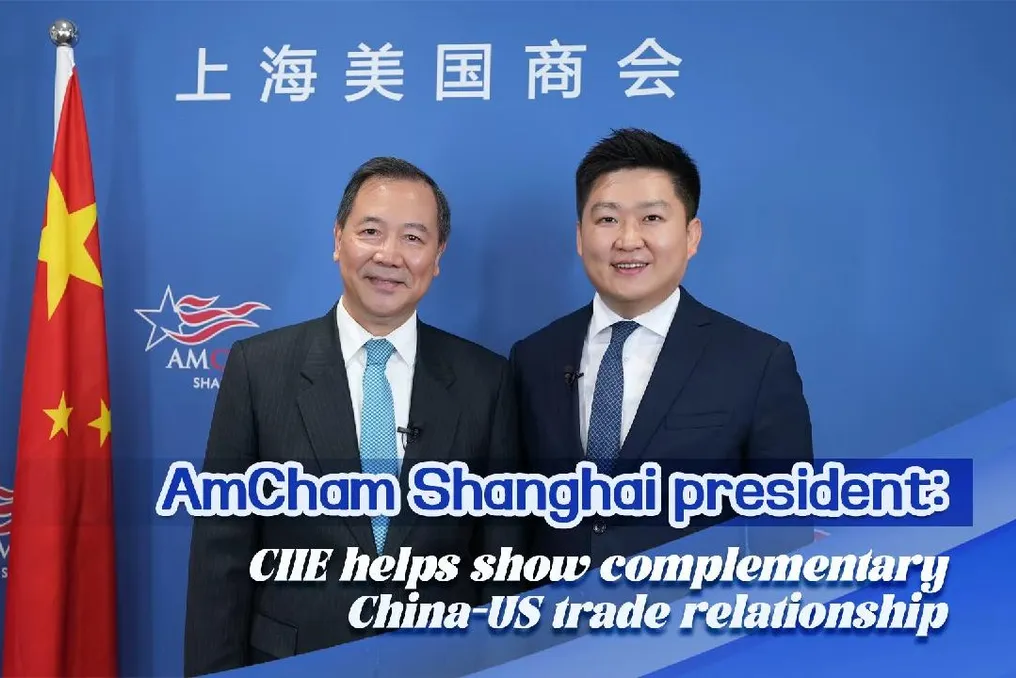
Changes in trade policy between China and the US are opening up new opportunities for the medical equipment industry. In September, China's Ministry of Commerce announced the China-US Trade Council and a mutual tariff reduction system, including medical devices in the list of American imports subject to lower duties.
The tariff reduction could potentially decrease costs for certain American instruments and consumables, which benefits hospitals, third-party laboratories, and life sciences research institutes. However, a more significant aspect is the growing exchange of innovations and investments between the two countries.
The United States remains one of the most important overseas markets for medical devices in China. According to data from the China Chamber of Commerce on the import and export of drugs and healthcare products, in the first half of 2026, exports of medical devices from China reached $27.1 billion, an increase of 12.4% compared to the previous year. Exports to the United States amounted to $5.37 billion, accounting for nearly one-fifth of the total volume.
Chinese companies are also increasing their global presence, supported by domestic innovations in areas such as genomic sequencing, medical imaging, and precision tools.
For American medical technology companies, China is becoming not only a major market but also an important base for research, manufacturing, and innovation implementation. At the 93rd International Medical Equipment Exhibition in China in April, GE HealthCare presented over 50 innovations in precision medicine, including 12 new products and 11 clinical solutions. Over 60% of the exhibited items were developed by Chinese research groups, and 95% were manufactured in China. The company is also strengthening its local research capabilities, with four innovation centers and over 1800 local R&D specialists. This strategy reflects a broader shift towards developing products in China not only for the domestic market but also for patients and healthcare providers worldwide.
Meanwhile, Chinese medical device manufacturers are deepening their presence in the United States. United Imaging Healthcare, based in Shanghai, established a research center in North America in Houston in 2013, and subsequently expanded its operations there by creating a regional headquarters and facilities for research, manufacturing, and customer support. Its high-tech imaging equipment is now installed in over 90% of US states, with a cumulative number of installations exceeding 640 units. In the first three quarters, the company's overseas revenue reached 2.996 billion yuan (approximately $448.99 million), a 50.3% increase compared to the same period last year, including more than 700 million yuan (approximately $104.93 million) from the North American market.
For companies involved in the production of medical devices on both sides of the Pacific, each other's markets have ceased to be merely places for selling goods. They are becoming sources of research talent, innovation, and industrial experience, as well as bases for creating globally scaled products. Tariff reductions may facilitate product flow, while closer ties in research, development, and global operations can create new opportunities for both parties in competition and cooperation.