The question arises whether science can create a common ground where political processes face difficulties. The theme of World Science Day for Peace and Development in 2026, celebrated on November 10th under the slogan 'Common Ground through Scientific Diplomacy,' offers a timely answer. Two recent projects—one regional and one bilateral—demonstrate what this common ground looks like in practice.
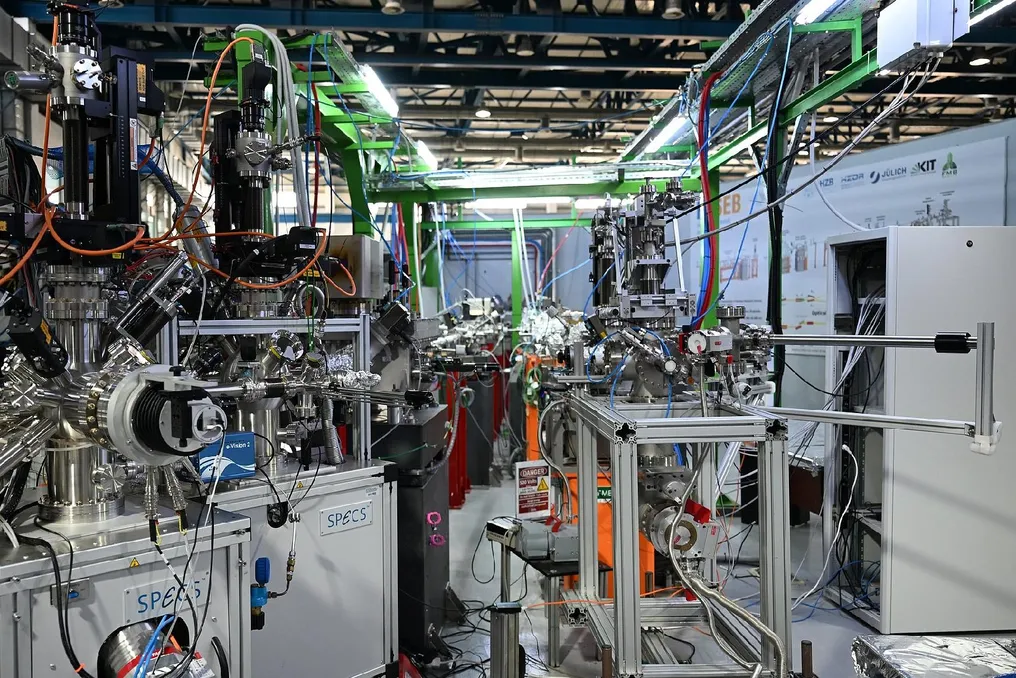
The Synchrotron for Experimental Science and Applications in the Middle East (SESAME) operates in Jordan and has been the sole source of synchrotron light in the region since 2017. Its participants include countries such as Cyprus, Egypt, Iran, Israel, Jordan, Pakistan, Palestine, and Turkey, which are often divided by conflicts, yet jointly fund and utilize this facility.
In November 2025, the UK's national synchrotron, Diamond Light Source, hosted the SESAME delegation and confirmed a significant technical contribution: equipment that will allow SESAME to build a new experimental line. Speaking at the event, Professor Dame Angela McLean, Chief Scientific Adviser to the UK government, noted that international cooperation in scientific facilities like SESAME 'benefits all members,' and they serve as centers for training, technology development, and scientific diplomacy, providing access to opportunities that 'no single country could achieve alone.'
The second example comes from Beijing. On October 29, the Chinese Academy of Sciences (CAS) and the Leopoldina, the German National Academy of Sciences, signed the 'SfF2026 Declaration on Climate, Health, and Biodiversity' during the third Science for Future conference. This declaration obligates both academies to conduct joint research on health risks associated with climate change and to ensure 'fair data exchange and responsible use of modern technologies.'
Neither of these projects will lead to the disappearance of geopolitical tension. However, together they show what scientific diplomacy offers: shared infrastructure, shared data, and a common interest in problems that no single country can solve alone. The 2026 theme is not merely declarative rhetoric; it describes work that is already underway.