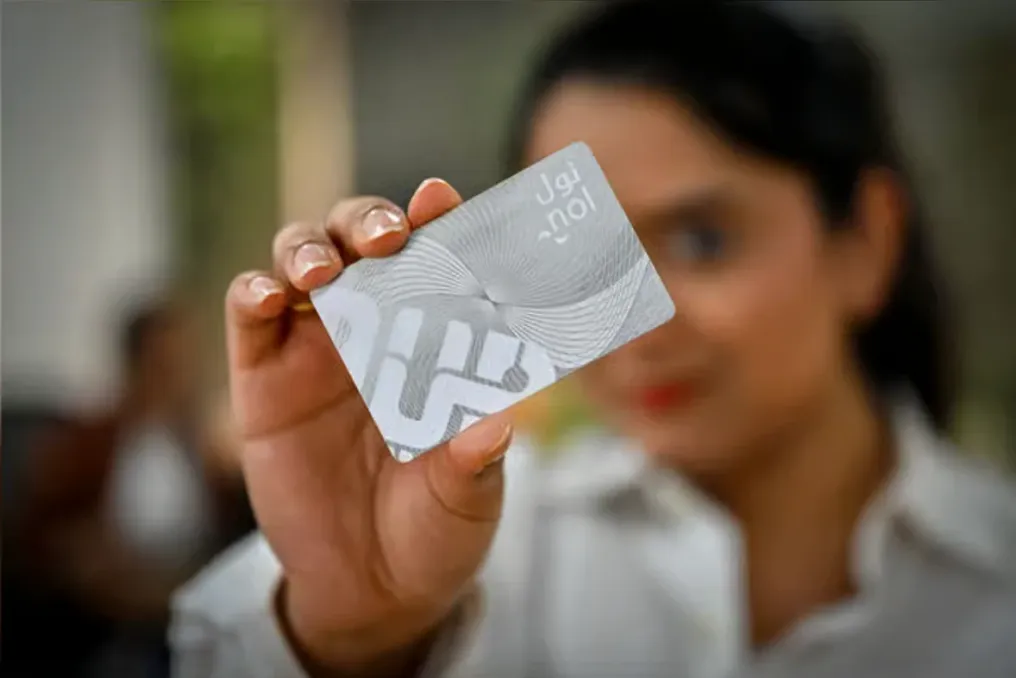
Nol Card for Dubai Students to Receive Updates: 50% Discounts and Online Payment Capability
Read more
Khaleej Times
www.khaleejtimes.com

Nol Card for Dubai Students to Receive Updates: 50% Discounts and Online Payment Capability

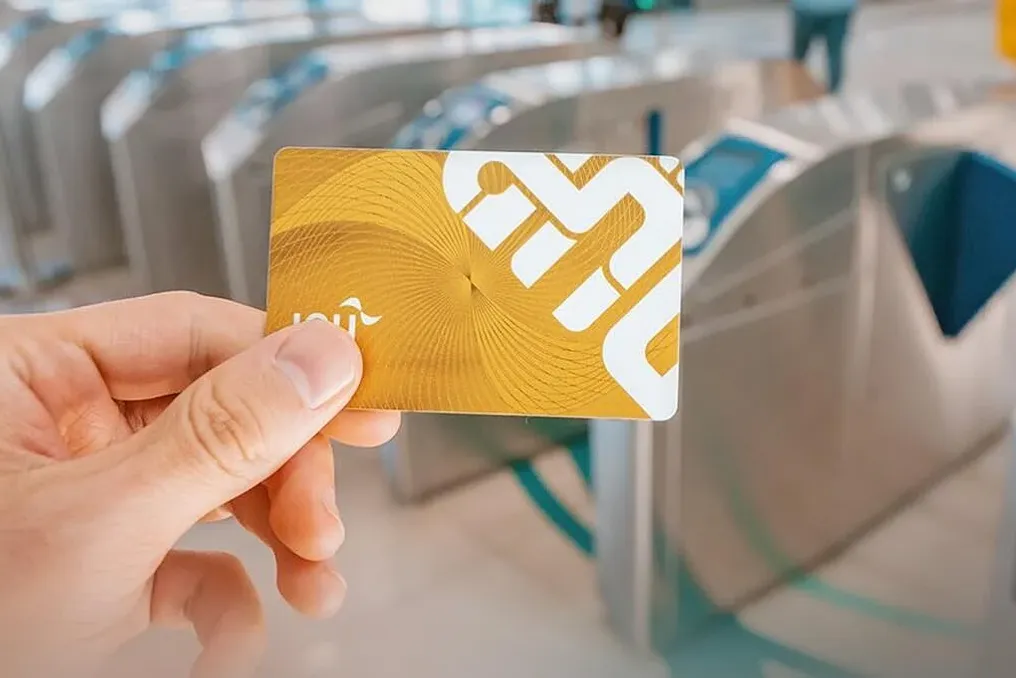
The Roads and Transport Authority (RTA) has announced plans to modernize the Nol card for students, which will feature new functionalities, including the ability to make online payments and purchases at retail outlets across the GCC starting in December 2026. An RTA representative confirmed to Khaleej Times that the updated card will possess the same characteristics as the standard Nol card.

These enhancements will allow students to instantly top up their balance through online channels, manage their profile, renew the card online, and also enable parents to monitor the account or the card itself, according to the RTA.

For a long time, the Nol card for students provided a fifty percent discount on public transport in Dubai, which was a significant advantage for school and university students in the emirate. Furthermore, students can receive discounts in retail trade by registering in the nol Plus loyalty program via RTA's digital channels.

The Nol card for students was introduced in 2009, shortly after the launch of the Dubai Metro. According to the RTA, 43,800 such cards have been issued since 2024, and 49,500 cards are currently in active use.

According to statistics, among users of the Nol card for students, some metro stations are more popular than others. The five most popular metro stations for users of this card include: Burjuman Metro Station, Stadium Metro Station, Oud Metha Metro Station, Dubai Internet City Metro Station, and City Centre Deira Metro Station.

Any school student or university student under 23 years old in the UAE can apply for the card on the RTA website or through the Nol pay application. This requires providing an Emirates ID, a photograph, and official confirmation from the educational institution stamped with its seal. The cost of the Nol student card is 70 dirhams and it is valid for five years.

RTA has expanded the card's capabilities through the nol ISIC card, which grants students privileges and global discounts in over 130 countries. The integration of ISIC was first announced in 2024 when RTA partnered with the International Student Identity Card Association to issue a card that serves as an internationally recognized student identification.

At that time, RTA stated that this package would provide students with discounts of up to 70 percent on local and international brands, in addition to the existing 50 percent discount on public transport.

The December update to the student card is part of a broader modernization program of the Nol system being conducted by the RTA. The authority is transitioning to an account-based ticketing technology, planning to allow passengers to link Nol cards to digital accounts, use QR code tickets, and pay fares with bank cards and digital wallets.

RTA has also announced a new series of nol-Jaywan cards, integrating the Nol transport system with the UAE's national payment system, the pilot launch of which is scheduled for November 2026. These cards will provide access to over 120 promotions and exclusive discounts.

For students, the December changes mean that the Nol card for students will no longer be limited to transport and campus cafeterias; it will become a more versatile payment tool both online and at physical locations across the region.
Similar stories

New Nol-Jaywan Card in Dubai to Begin Trials, Offering Five Key Features
Read more
www.khaleejtimes.com

New Nol-Jaywan Card in Dubai to Begin Trials, Offering Five Key Features

Passengers in the UAE will soon be able to use their Nol card for more than just travel. The new Nol-Jaywan card, designed for Dubai, will include a range of new capabilities, integrating transport services with broader digital payment options.

The Roads and Transport Authority (RTA) has announced that the new cards will be rolled out in phases, starting with a pilot launch in November. These cards will merge the existing Nol system with the national UAE payment scheme, Jaywan.

The new Nol-Jaywan card integrates transport payments with expanded digital payment services. Passengers can use the Nol system while traveling and simultaneously benefit from payment services provided through Jaywan. This integration aims to link public transport with everyday services, offering residents and visitors more payment options using a single card.

The first phase of implementation will begin in November 2026 and will cover RTA public transport services, as well as public and private transport, including taxis and parking. The cards will be introduced in successive phases as part of the modernization project of the Dubai Nol system.

The modernization utilizes account-based ticketing technology, which is aimed at unifying various transport services and providing passengers with a more seamless payment experience. Furthermore, users will be able to activate and use the new cards via Android and iOS smartphones, giving them an additional way to manage cards and access services through mobile devices.

This feature is part of the RTA's efforts to simplify access to transport services through digital payment solutions. The new cards are also designed to support public and private transport services across the UAE. They can be used through online booking platforms for public transport, expanding passenger options for using transport outside of Dubai.

The initiative aims to connect different modes of transport and enhance payment convenience for residents and visitors traveling across the country. The new Nol-Jaywan cards will offer benefits beyond transport and payments, including access to over 120 advertising offers and exclusive discounts intended to add value to cardholders when using them for daily needs.

Although the announcement describes planned features, details such as wider public availability, card costs, and the necessity of replacing existing Nol cards have not been specified. The launch will commence with a pilot project in November 2026, followed by subsequent phases.

In Dubai, the share of tenants paying less is growing amid increased housing supply
Read more
www.khaleejtimes.com

In Dubai, the share of tenants paying less is growing amid increased housing supply

According to a new study by the consulting firm Cavendish Maxwell, more than one in five tenants in Dubai now pays less than they did under their previous contract. This is linked to the increase in the volume of ready-to-live housing, which gives tenants greater negotiating power.

In the third quarter of 2026, 21.4 percent of rental transactions recorded a decrease in rent compared to the previous contract, significantly higher than the 4.8 percent registered in the first quarter. Meanwhile, 38.7 percent renewed contracts on the same terms, while the share of deals with increased rates fell to 40 percent from 59.4 percent during the same period.

Cavendish Maxwell notes that this shift indicates a weakening of landlords' pricing power and an expansion of tenants' opportunities for negotiation. The average rental rate in September was 77.3 dirhams per square foot per year, which is 5.5 percent higher compared to the previous year. This sharp slowdown contrasts with the 11.5 percent annual growth recorded in September 2025. Rates initially decreased in the second quarter before recovering in the third quarter to the level of March 2026.

More than 172,000 rental contracts were registered in the third quarter. The total number of renewals was 94,300, which is 10.6 percent lower than last year, while new contracts increased by 18.2 percent, reaching 77,700.

The consulting firm predicts that the growth in the available stock will put pressure on rent growth rates in the future, especially in the apartment segment, which constitutes the largest share of completed projects. The average rental yield was 6.6 percent for apartments and 4.9 percent for villas and townhouses in the third quarter. The yield for apartments slightly decreased compared to the previous year but remains attractive against other major global housing markets.

The leaders in apartment yields were Dubai Investments Park (10 percent), International City (9 percent), and Dubai Production City (8 percent). Among villas and townhouses, Dubai Industrial City led with 6.5 percent, surpassing Jumeirah Golf Estates (5.8 percent) and Damac Hills 2 (5.7 percent).

From January to September, Dubai delivered about 38,000 residential units, which is 41.4 percent more than in the same period of 2025, exceeding the annual figures for 2023 and 2024. Only about 12,400 homes were delivered in the third quarter. Another 24,400 properties are planned for the remainder of 2026, but based on historical delivery rates, the actual number of delivered properties is expected to be between 7,300 and 12,200. The planned volume is even higher, with 136,100 units scheduled for 2027 and 155,700 for 2028, totaling 291,800.

Ronan Arthur, Director and Head of Residential Property Valuation at Cavendish Maxwell, noted that 'the reduction in launches highlights a significant slowdown in development pace caused by developer caution and regional uncertainty, leading to the postponement of some projects. Meanwhile, the volume of new units planned for delivery over the next two years is quite substantial, even considering the delivery rates.'

He added that demand absorption will depend on population growth, household formation, employment, and investment demand.

Residential sales volume reached 72.6 billion dirhams in the third quarter across 33,900 transactions, which is 13.2 percent less than the third quarter of last year and 2 percent less than the second quarter of the current year. Year-on-year, the value dropped by 47.6 percent, and volumes by 38.6 percent, resulting in transactions reaching the lowest quarterly level since the first quarter of 2024.

The average selling price was 1,644 dirhams per square foot in September, which is 2.2 percent lower compared to the previous year. This marks the first annual decline since the start of the post-pandemic recovery, after prices turned negative in August. However, prices rose by 0.3 percent quarter-on-quarter.

Off-plan deals accounted for 72.2 percent of total transactions, or 24,500 deals worth 47.1 billion dirhams, but they decreased by 41.9 percent compared to last year. Transactions in the ready market grew by 19.7 percent compared to the second quarter, reaching 9,400, although they are still 28 percent below the third quarter of 2025.

Arthur stated: 'After two years of sustained sales activity growth, transaction volumes have been declining over the last four quarters, with purchases in the third quarter of 2026 being at the lowest level since the first quarter of 2024 and more than 38 percent below peak levels recorded a year ago. Cavendish Maxwell reports a more subdued investment environment in recent months, and this latest observation underscores how regional tension continues to affect investor confidence and buyer sentiment.'

Dubai South led off-plan apartment sales with 4,776 transactions, more than 2.5 times the figure for Downtown Jebel Ali (1,865). Following them were Azizi Milan (1,283), Jumeirah Village Circle (1,153), and Dubai Residence Complex (946).

In the ready segment, Jumeirah Village Circle maintained the top spot with 1,111 apartment sales, double the figure for Business Bay (555). Sobha Sanctuary led off-plan villa and townhouse sales with 282, while Damac Lagoons led in ready villa and townhouse sales with 211.

Luxury homes priced at 20 million dirhams and above were sold in quantity 257 for 9.6 billion dirhams, a 40.5 percent decrease compared to last year. Sales of ultra-luxury homes, priced at 50 million dirhams and above, amounted to 42 transactions worth 3.4 billion dirhams, with nine properties sold for over 100 million dirhams.

Developers launched 48 projects with 15,300 units in the third quarter, which is 72.7 percent and 62.9 percent less than last year, respectively, although the launch of units more than doubled compared to the second quarter. In the first nine months, 190 projects with 49,800 units were launched, which is 67.7 percent and 65.5 percent less than the same period in 2025.

Cavendish Maxwell believes that developer caution and regional uncertainty have prompted many to postpone project launches. The company expects downward price pressure to continue until 2027, and rent growth will continue to slow down.

Indian tourists can use UPI to book attractions in UAE and Singapore
Read more
www.khaleejtimes.com

Indian tourists can use UPI to book attractions in UAE and Singapore

The Ministry of Finance announced on Friday that Indian travelers can now use Unified Payments Interface (UPI) applications to book tickets for major tourist attractions in the United Arab Emirates (UAE) and Singapore online.

According to the ministry's statement, Indian visitors planning a trip to the two global centers of attraction can now seamlessly arrange services and make online payments through their preferred UPI applications.

This feature became possible thanks to partnership agreements concluded by NPCI International Payments Limited (NIPL), the international division of the National Payments Corporation of India (NPCI), with payment service providers in both countries.

In the UAE, NIPL established cooperation with NEOPAY and Emaar Entertainment to ensure the acceptance of UPI payments for online bookings at At the Top and Burj Khalifa. This makes the first UAE attraction to implement UPI for e-commerce transactions.

In Singapore, NIPL joined forces with FOMO Pay, expanding UPI acceptance for Resorts World Sentosa. This includes attractions such as Universal Studios Singapore, Singapore Oceanarium, and Adventure Cove Waterpark.

The ministry emphasized that the integration of UPI for purchases at world-famous locations like At the Top, Burj Khalifa, and iconic Resorts World Sentosa attractions meets the growing demand for a reliable cross-border payment experience.

The partnerships were officially announced on July 29 for the UAE and September 9 for Singapore.

Currently, UPI is accepted in 10 countries, including Singapore, UAE, France, Mauritius, Nepal, Bhutan, Qatar, Sri Lanka, Cambodia, and Greece. Previously, the Eiffel Tower ticketing system in France was implemented on January 26, 2024, and Uzbekistan is expected to become the eleventh country accepting UPI, according to a commercial agreement signed on August 30.

Popular