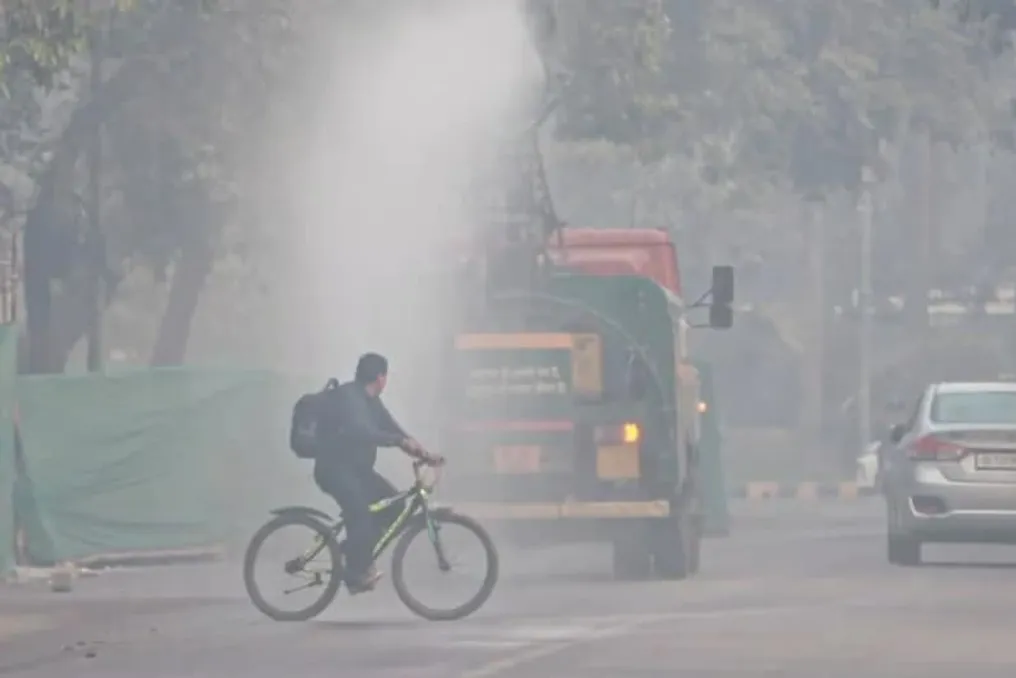
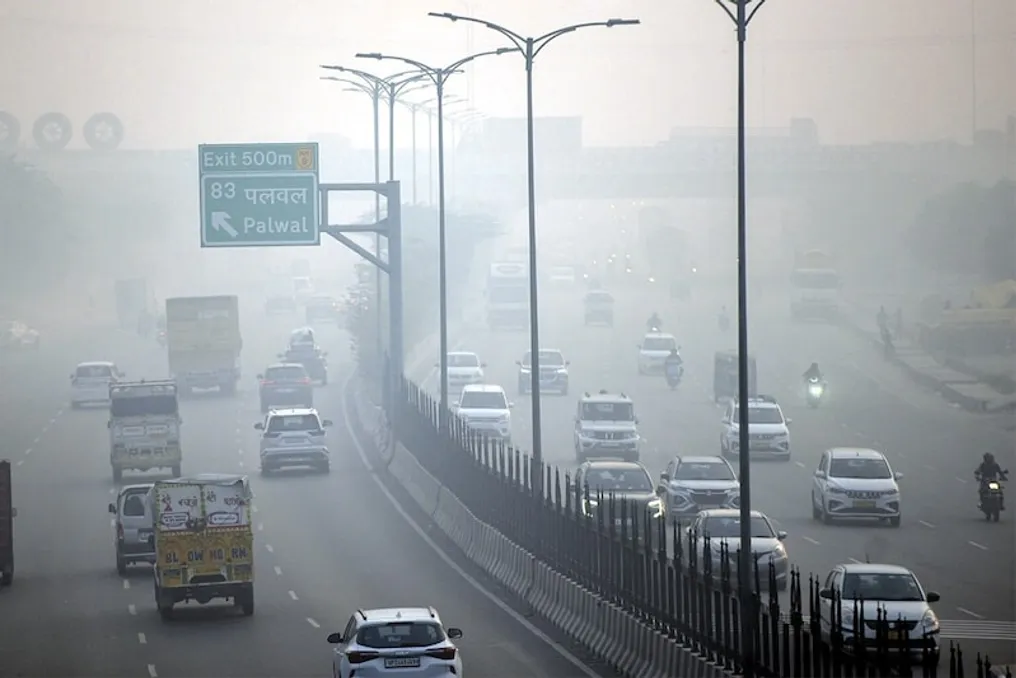
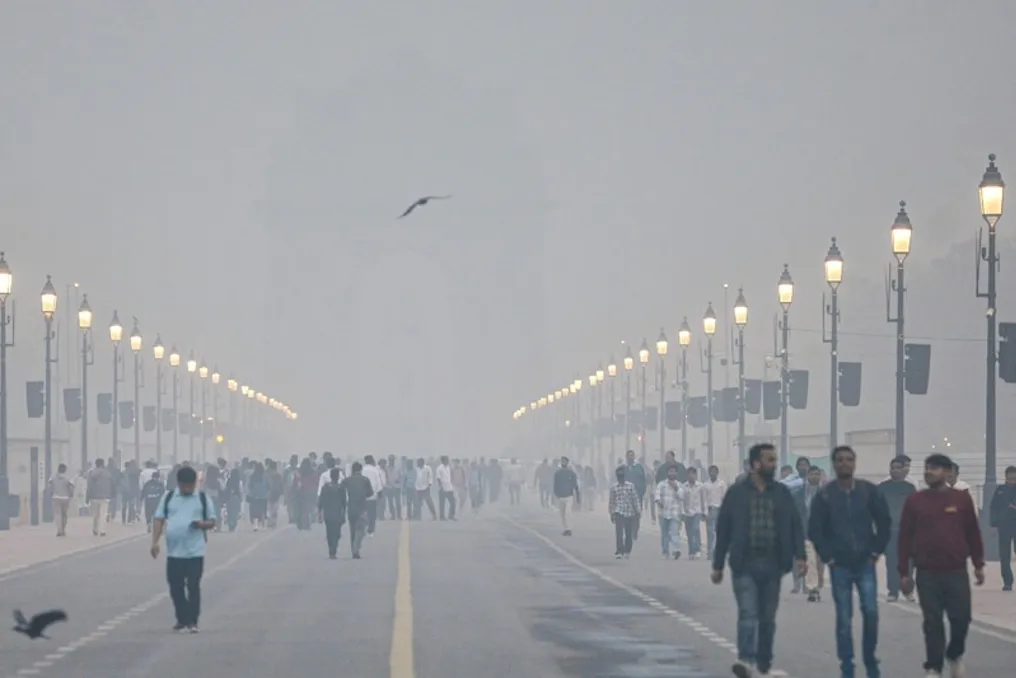
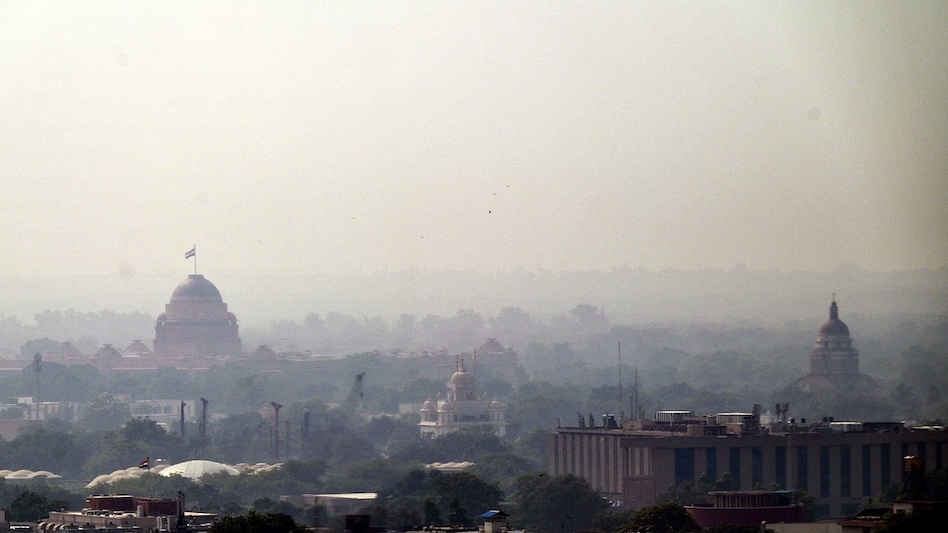
In Delhi on the eve of the Diwali festival, Saturday, the average Air Quality Index (AQI) was 369, corresponding to the 'very poor' category. The city was covered in a layer of smog, which significantly reduced visibility. In several areas, the AQI exceeded the 400 mark. Out of 59 monitoring stations, 16 were in the 'hazardous' category, and 29 were in the 'very poor' category.
The worst situation was recorded near IIT Delhi, where the AQI reached 452. On Friday, the average AQI was 382, and although it slightly improved to 369 on Saturday, it remained close to the hazardous level, around 400. These data clearly show that the pollution level in the capital remains alarming, and there is a risk of further deterioration during the holidays.
According to the Early Warning System for Air Quality (EWS), the air in Delhi is expected to be in the 'hazardous' category on Sunday and Monday, November 8 and 9. Over the next six days, air quality will fluctuate between the hazardous and very poor categories.
According to the Central Pollution Control Board (CPCB) classification, values from 0 to 50 are considered good, 51 to 100 satisfactory, 101 to 200 moderate, 201 to 300 poor, 301 to 400 very poor, and 401 to 500 hazardous. Weather and air quality experts note that the combination of adverse weather conditions, Diwali-related celebrations, vehicle emissions, and the peak season for stubble burning in neighboring states increases the pollution load.
On Saturday, the main pollutant in Delhi was PM10. According to the Decision Support System (DSS), the transport sector contributed the most, accounting for 21.4 percent. Stubble burning contributed only 1.7 percent, but this is projected to rise to 5.4 percent on Sunday.
Satellite data showed 589 instances of stubble burning across six states on Friday. Of these, 357 were in Punjab, 9 in Haryana, 23 in Uttar Pradesh, 58 in Rajasthan, 3 in Uttarakhand, and 139 in Madhya Pradesh. Between September 15 and November 6, a total of 6226 field fires were recorded in these six states. This data is presented in a bulletin released by the Creams laboratory of the Indian Agricultural Research Institute. Although the contribution of stubble currently appears small, local sources also contribute to increased pollution due to seasonal conditions.
Adverse weather conditions exacerbate the situation. According to EWS, the ventilation index is below 6000 square meters per second, and the average wind speed is less than 10 kilometers per hour. Both these factors hinder the effective dispersion of pollutants. Due to cold and stable winds, pollutants accumulate near the ground, forming a layer of smog and haze.
If fireworks are used during Diwali, the situation could worsen. Increased traffic and construction work also raise pollution levels. Specialists believe that stubble cannot be blamed alone, as internal city sources such as traffic, dust, and industrial emissions play an important role.
Air in the 'very poor' and 'hazardous' categories increases the risk of respiratory diseases, eye irritation, throat problems, and cardiovascular risks. Children, the elderly, and people with pre-existing conditions are the most vulnerable. Reduced visibility due to smog also increases the risk of road accidents. Consequences for schools and disruptions to outdoor events are possible.
People are advised to wear masks, stay indoors, and use air purifiers. The government and local administration are conducting awareness campaigns, but pollution control measures often take a backseat due to festive excitement.
This air quality crisis in Delhi repeats every year around Diwali. The combination of stubble burning, transport emissions, weather stability, and festive events worsens the situation. Short-term measures, such as fireworks bans, traffic control, and spraying, can help, but long-term solutions require clean fuels, public transport development, an effective stubble management system, and regional cooperation.
It is necessary to improve the management of field residues by coordinating with Punjab, Haryana, and other states. It is also important to control urban dust, enforce rules at construction sites, and monitor industrial emissions. Citizens must also contribute at a personal level, for example, by reducing unnecessary transport use and avoiding fireworks.
Unless comprehensive and permanent efforts are made, the air in Delhi will deteriorate in the same way every year. Current data and forecasts demand vigilance and collective responsibility to protect both health and the environment.