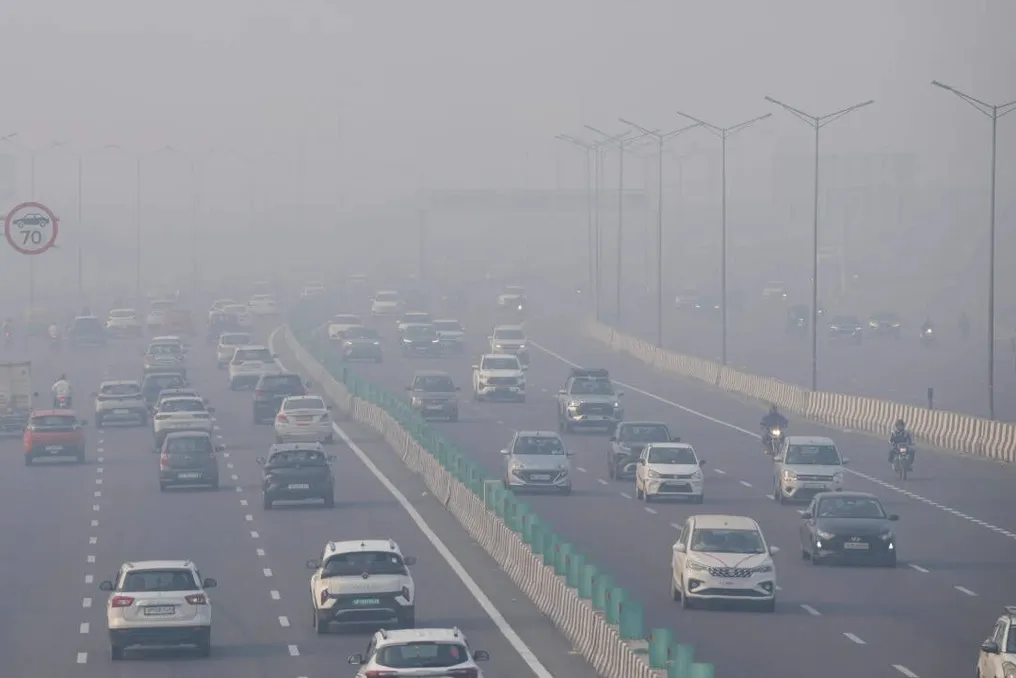
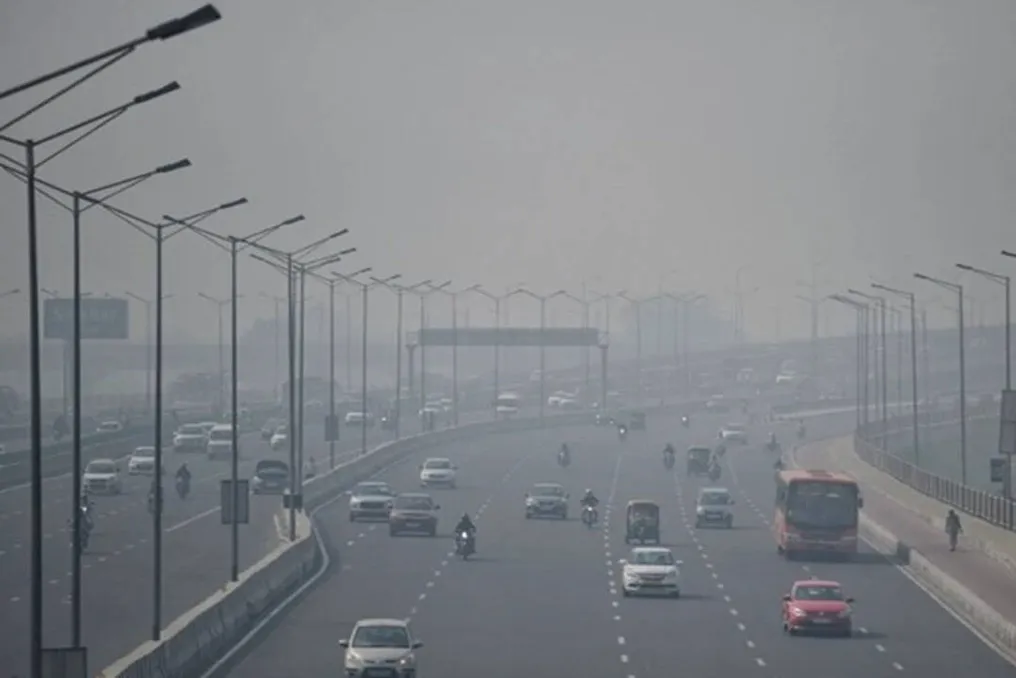
The situation regarding air pollution and the Air Quality Index (AQI) in the capital city of Delhi remains critical. According to data from the Central Pollution Control Board (CPCB) as of the morning of Tuesday, November 10, the AQI exceeded the 300 mark in several areas of the capital.
The worst situation was recorded in Chandni Chowk, where the AQI reached 400. In the Pusa area, the AQI reached 398. Other areas, such as the Commonwealth Sports Complex, showed an AQI of 380, NSUT Jaffarpur—384, Talkatora Garden—373, Mathura Road—372, and Siri Fort—375. Additionally, values of 360, 364, and 361 were recorded in the areas of Aya Nagar, Burari Crossing, and IIT Delhi, respectively.
Air quality was also extremely low in other parts of the capital. In Shadipur, the AQI was 325, on Lodi Road—324, in Burari—315, in Jharoda Kalan—320, on Mandir Marg—307, and in Bawana—328. Lower readings were registered in Tikri Kalan and Vasundhara Enclave: 296 and 295.
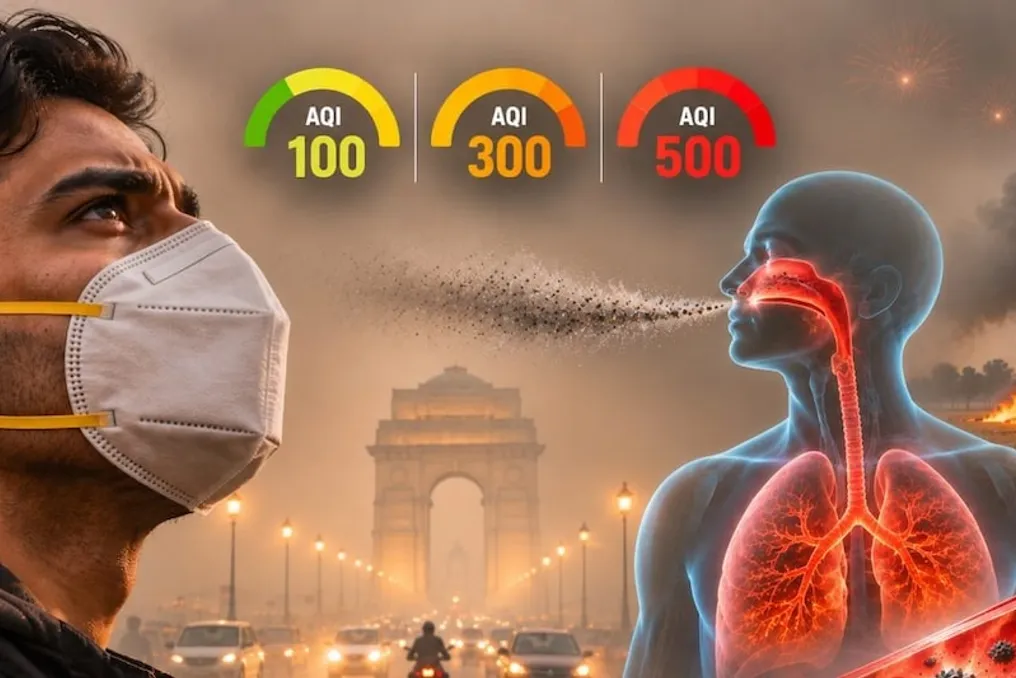
According to CPCB standards, an AQI level from 301 to 400 is classified as 'very poor,' while values from 401 to 500 are considered 'hazardous.' Consequently, in most monitoring stations across Delhi, including Chandni Chowk, the air quality fell into the 'very poor' category.
It was also noted that the average PM2.5 concentration in Delhi during Diwali was 257 micrograms per cubic meter. This figure significantly exceeds the national 24-hour standard of 60 micrograms (more than 4 times), as well as the World Health Organization (WHO) guideline for 24 hours, which is 15 micrograms (more than 17 times).
The constantly deteriorating atmosphere negatively affects children's health, who often suffer from persistent coughing and respiratory problems. The number of children with lung infections has increased in hospitals. Due to this, doctors strongly recommend paying special attention to children's health.
People, the elderly, young children, and those suffering from asthma, COPD, or heart diseases should exercise extra caution. During severe pollution, it is recommended to avoid being outdoors. If necessary, one should use a well-fitting N95 mask and regularly take prescribed medications and inhalers.