Impact of the Anti-Religious Conversion Law in Maharashtra: Ban on Non-Christian Children Attending Bible Camps
Read more
Aaj Tak
www.aajtak.in

Impact of the Anti-Religious Conversion Law in Maharashtra: Ban on Non-Christian Children Attending Bible Camps

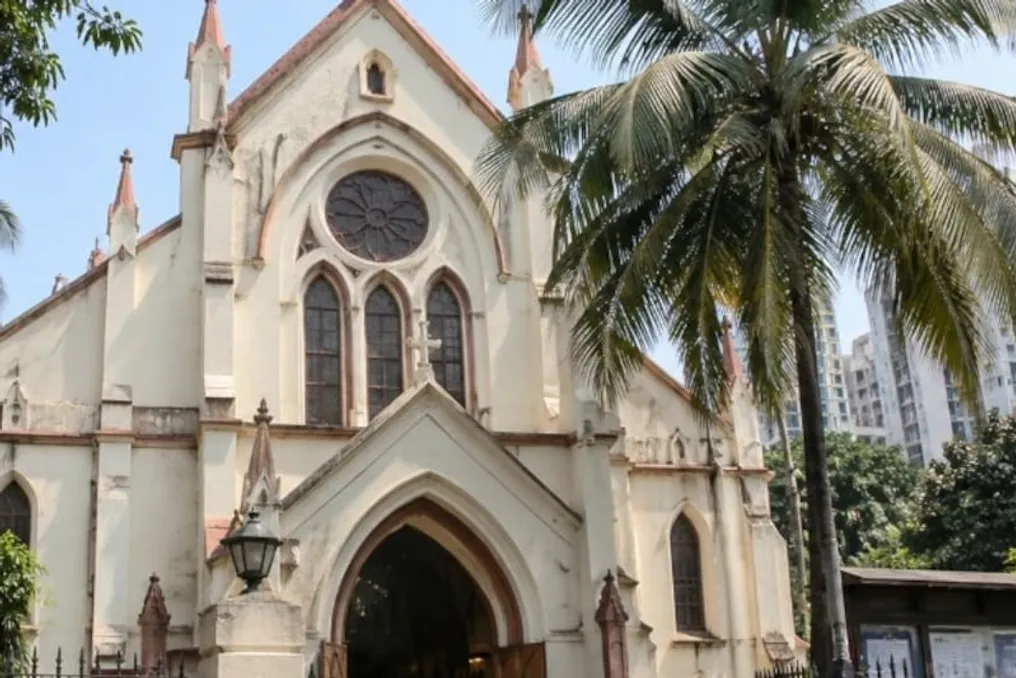
Following the implementation of the new law against religious conversion in Maharashtra, an atmosphere of apprehension has emerged within Protestant and independent churches. Due to the threat of interference from legal organizations and the enactment of a strict state act known as the 'Maharashtra Freedom of Religion Act,' many churches have either restricted or completely canceled their 'summer Bible school' programs.

Churches in areas such as the Mumbai city corporation, Vasai-Virar, Palghar, and Pune are exercising extreme caution regarding these events, which take place during Diwali and summer holidays. Traditionally, VBS involves children aged 5 to 15, where lessons are conducted through songs, games, crafts, and Bible stories.

Previously, these camps welcomed not only Christian children but also friends from other faiths. However, to avoid accusations of coercion or temptation, many churches have either closed these events or imposed a ban on non-Christian children participating.

The main reason lies in the attempts by legal groups to obstruct prayer meetings held in rented halls, banquet halls, and private homes, leveling charges of religious conversion. This has resulted in numerous First Information Reports (FIRs). It is because of this fear that organizers are now exercising heightened vigilance when conducting children's camps.

Pastor Sam Ke Mathai, Secretary of the Church of Christ in the Palghar area, reported that pastors from Vasai-Virar and Palghar first separated children of other faiths from VBS programs in April, and they plan to continue this practice during Diwali holidays.

Mathai added that 'churches are now using various protective measures, such as pre-registering children, installing CCTV cameras, and keeping records of unknown visitors. Anyone organizing VBS is exercising maximum caution.'

Organizers are setting up banners, conducting registrations, and charging fees to prevent allegations that children were invited under any influence or temptation.

It should be noted that on August 27, India Today reported that before the law came into effect on August 28, churches in Mumbai and its surroundings began requiring visitors to fill out self-declaration forms at prayer meetings. The Maharashtra Freedom of Religion Act criminalizes conversion performed through coercion, fraud, or temptation, forcing church leadership to be fully prepared to avoid any disputes.
Similar stories

Biography of Shyama Prasad Mukherjee to be taught in West Bengal schools; Singur movement leader to be excluded from textbooks
Read more
www.aajtak.in

Biography of Shyama Prasad Mukherjee to be taught in West Bengal schools; Singur movement leader to be excluded from textbooks

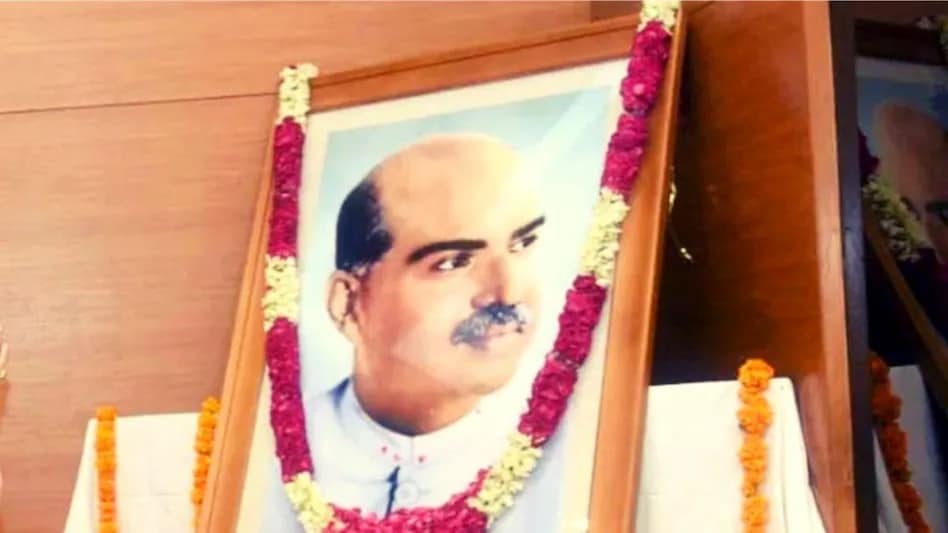
The government of West Bengal has decided to make changes to the curriculum concerning the state's history and prominent figures. According to this decision, information about the life and contributions of Shyama Prasad Mukherjee, founder of the Indian Jana Sangh, will be included in school books. Simultaneously, the chapter on the land dispute in Singur will be removed from the eighth-grade textbook.

The state's Education Minister, Dipak Barman, provided details about these changes. He stated that a special commission established to review the syllabi presented new recommendations. These recommendations include incorporating a brief overview of Shyama Prasad Mukherjee's life and achievements into all textbooks. The government emphasizes that the new curriculum will place greater focus on the history of West Bengal and its key personalities.

As part of the curriculum changes, the section dedicated to the land acquisition movement in Singur will be excluded from the eighth-grade textbook. Furthermore, it was recommended to remove the chapter based on the Kanyashree scheme from the sixth-grade textbook. The Kanyashree scheme was previously one of the main programs of the then ruling Trinamool Congress. This program provided financial assistance to ensure girls' education continued and to prevent early marriages.

Under the new system, students from fifth to eighth grade will be taught Information and Communication Technology (ICT) as a systematic subject, for which a separate syllabus will be developed. Additionally, textbooks for a third language will be introduced for seventh and eighth-grade students. According to the Education Minister, the full text of 'Vande Mataram' will be printed at the beginning of all textbooks, and the quality of paper used in the books has also been improved.

The government is also considering a proposal to abolish the no-detention policy up to the ninth grade. The Education Minister noted that discussions on this matter are ongoing, and a decision may be reached soon. The Government of West Bengal is also carefully reviewing the possibility of changing the examination dates for secondary and higher secondary education in 2027. This is related to the census process, during which school teachers may be involved. The West Bengal Board of Secondary Education (WBBSE) proposed holding the tenth-grade board exams between March 2 and March 16, 2027, whereas they were originally planned for February 15 to February 25. The West Bengal Council of Higher Secondary Education (WBCHSE) may propose conducting the fourth-semester exam after March 16, whereas it was previously expected to take place between January 22 and February 23. The Education Minister stated that the government has received proposals from both boards, and an announcement regarding the revised exam dates may be made within the next week.

Popular