Ford launches electric Transit City with promotional prices at Fenatran
Read more
AutoPapo
autopapo.com.br

Ford launches electric Transit City with promotional prices at Fenatran

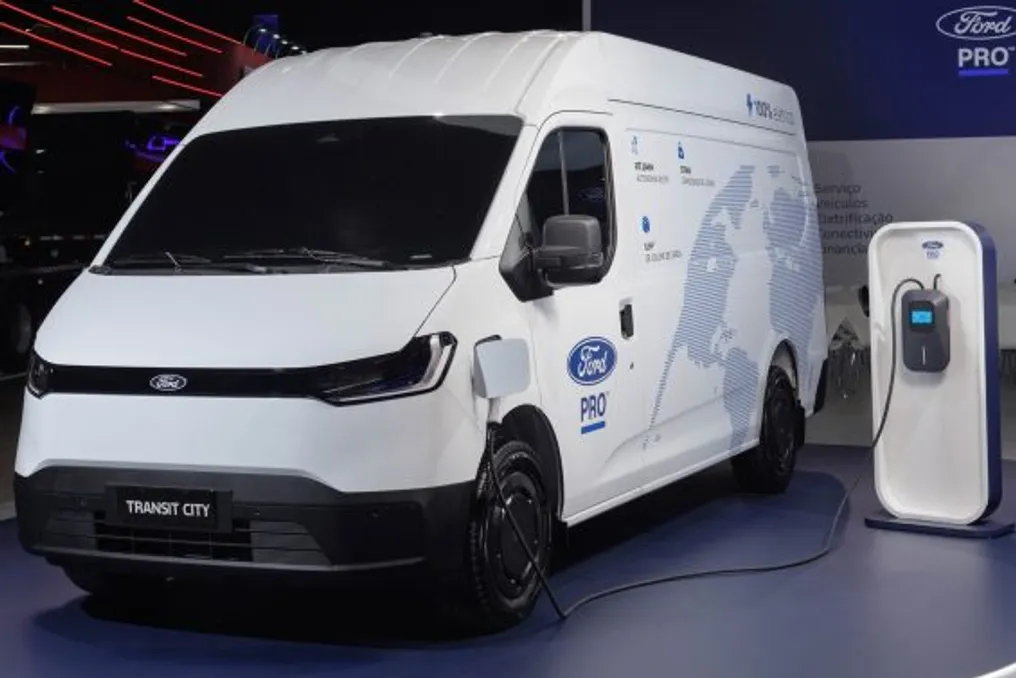
At Fenatran, Ford began selling the Transit City, its new electric light commercial vehicle designed to meet urban delivery demands. This model is available in three distinct configurations and comes with promotional prices valid until December 31st, starting at R$ 237.5k. Additionally, the offer includes two free service inspections.

The prices vary depending on the configuration: the chassis cab version costs R$ 237.5k. The L1H1 van, with a standard roof, had its price reduced from R$ 255k to R$ 242,250. The L2H2, which features an extended body and high roof, went from R$ 265k to R$ 251,750.

According to Ford itself, these prices aim to give the Transit City greater competitiveness against electric vans and diesel utilities operating in the one-ton segment. The manufacturer projects that using electricity will result in a 60% saving, and scheduled maintenance can generate an 80% saving compared to combustion engine models.

Guillermo Lastra, Director of Ford Pro Latin America, explained that the company's strategy is to increase access to electric technology. He also mentioned that the financial break-even point is reached in nine months, in contrast to a combustion vehicle; thus, starting from the tenth month, the owner begins to achieve a positive financial return.

Technically, all versions are equipped with a 150 hp electric motor and a 56 kWh battery. The autonomy declared by the Inmetro cycle is 186 km, which can reach 381 km in the WLTP urban cycle. The L1H1 van has a capacity of 6.4 m³ and supports 1,085 kg of load, while the L2H2 offers 8.5 m³ and can handle 1,275 kg. The chassis cab, meanwhile, has a carrying capacity of up to 1,600 kg.

During Fenatran, Ford also presented the Ranger Super Duty, a pickup truck version developed for heavy-duty work. The arrival of this model in South America has not yet been confirmed by Ford, but the exhibition serves to gauge interest from the regional market and customers. This pickup features reinforced chassis, rear axle, suspension, transmission, and brakes, with a load capacity close to 2,000 kg and a towing capacity of up to 4.5 tons. Off-road features include a ground clearance of nearly 300 mm, steel underbody protectors, and an immersion capability of 850 mm. It is intended for sectors such as mining and equipment transport in remote locations, and it also has a presence in markets like Australia. Lastra emphasized that the manufacturer wants to hear from customers and journalists to verify if the model meets the region's needs.

Additionally, Ford announced that the E-Transit electric van will be included in the Ford Go subscription program. This offer, exclusive to Fenatran, allows the use of the vehicle without the need for purchase investment or assuming costs related to maintenance, insurance, and documentation, with plans available starting from R$ 7.8k per month. In the coming years, the company plans to expand its portfolio of commercial vehicles and its services on an international scale, covering Brazil, Argentina, Chile, Peru, and Colombia.
Similar stories

Toyota introduces limited edition Innova Crysta LIMO with 8 seats for commercial use
Read more
www.aajtak.in

Toyota introduces limited edition Innova Crysta LIMO with 8 seats for commercial use

The popularity of the Toyota Innova in the Indian market is undeniable due to its reliable engine, comfortable ride, and powerful characteristics. Now, Toyota Kirloskar Motor has released an updated version, the Innova Crysta LIMO Edition, aimed at commercial and fleet customers.

This limited release is specifically designed for those who use vehicles for taxi services, travel, and other commercial purposes. Notably, the company has not changed the price of this model.

The Innova Crysta LIMO Edition is available exclusively in the GX-SLF variant and is positioned for the commercial mobility segment, precluding its use as a private vehicle. Subari Manohar, Executive Vice President of Sales, Service and Vehicle Usage at Toyota Kirloskar Motor, noted that the Innova has earned customer trust over the past two decades due to its reliability, comfort, and quality ownership experience.

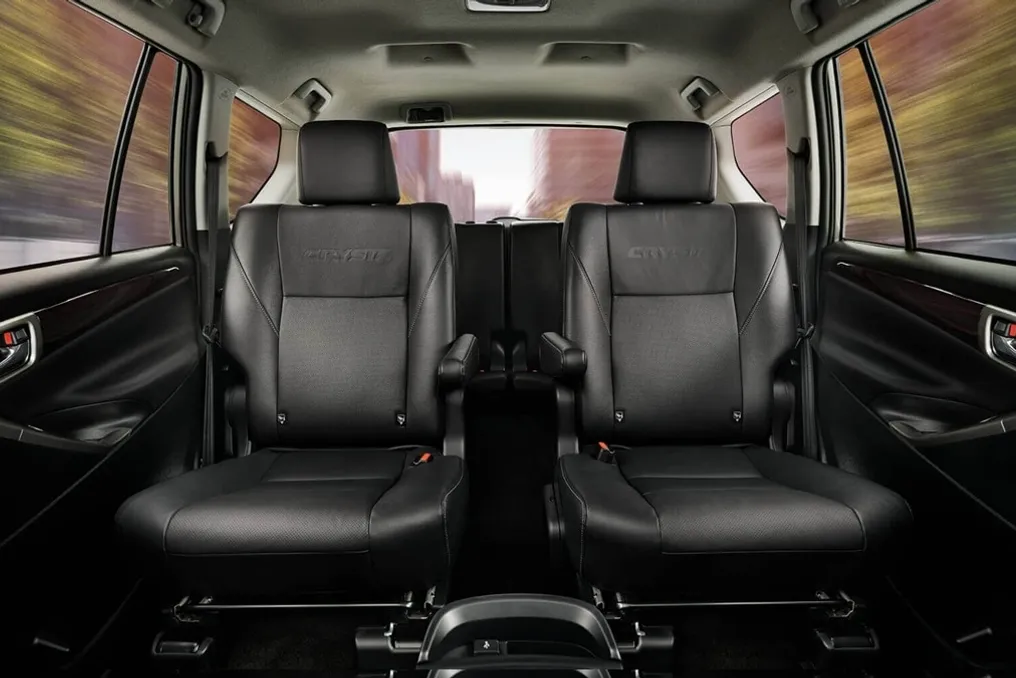
This version is equipped with a 2.4-liter diesel engine. Based on the GX-SLF variant, the model offers high performance while emphasizing passenger comfort. It features comfortable captain seats and improved handling, making it a suitable option for commercial operation.

Currently, the Toyota Innova Crysta is available in four variants in the Indian market: GX, GX+, VX, and ZX. The model is fitted with a 2.4-liter diesel engine with a manual transmission, capable of providing good low-end torque and smooth driving. According to the company, the certified fuel consumption is up to 15 kilometers per liter.

The manufacturer has paid great attention to cabin comfort, providing flexible seat configurations, air conditioning in all rows, ample headroom, and legroom. Additionally, the vehicle integrates a touchscreen multimedia system, smartphone connectivity, and steering wheel controls.

In terms of safety, the Innova Crysta includes several important features such as seven airbags, Anti-lock Braking System (ABS), Electronic Stability Control, Hill Start Assist, Electronic Brake-force Distribution, and Brake Assist.

To ensure the best ownership experience for customers, Toyota offers various services, including flexible financing for up to seven years, simple and affordable monthly payment plans, and the Toyota Smart Finance program. Furthermore, customers receive on-site servicing and 24-hour roadside assistance. The standard warranty on the vehicle is three years or 100,000 kilometers, which can be extended to five years or 220,000 kilometers.

Toyota presents off-road electric SUV concept, bZ Woodland, for SEMA Show exhibition
Read more
autopapo.com.br

Toyota presents off-road electric SUV concept, bZ Woodland, for SEMA Show exhibition

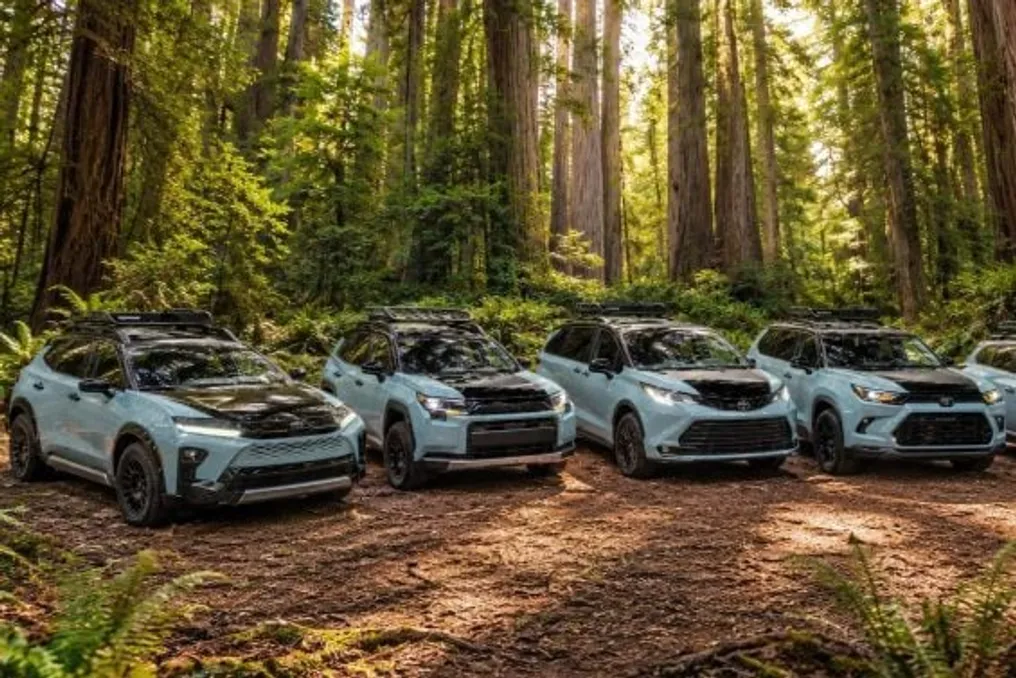
Toyota has developed an electric vehicle capable of tackling rough terrain, presenting the bZ Woodland Concept. This is one of five prototypes that the manufacturer will exhibit during the SEMA Show, the world's largest customization fair, which will take place in Las Vegas, USA, from November 3 to 6.

The concept is derived from the bZ Woodland, which is already an adventure version of the bZ electric SUV sold in the United States since the beginning of the year. This model features two motors, all-wheel drive, delivers 380 hp, and has an extended body by 15 centimeters.

For its participation in the show, Toyota's design studio in California, CALTY Design Research, made modifications to the prototype, including increasing the suspension height, installing fender flares, satin black wheels, and all-terrain mixed-use tires.

Aesthetically, the black hood and roof create a contrast with the Horizon Blue body, a color inspired by Toyota models from the 1960s, such as the Stout pickup, Crown, and Corona. Additionally, the bZ was equipped with a roof cargo basket and a tow hitch at the rear.

In the Brazilian market, Toyota sells the bZ4X, which was the model name in the US before its redesign, for R$ 419,990, distributed in batches of 99 units imported from Japan since June. However, the Woodland version remains available only in North America for now.

The other four vehicles in the family are also available in the same configuration: the plug-in hybrid RAV4, the three-row SUV Grand Highlander, the Sienna minivan, and the Crown Signia crossover.

Furthermore, Toyota will bring the Snowhunter line to SEMA, which includes the Tundra and Tacoma pickups, as well as the 4Runner, Land Cruiser, and Sequoia SUVs. These models received winter camouflage and snow-designed tracks, replacing conventional wheels.

In a contrasting direction, the Crown Signia GT-S Concept, developed by the Toyota Motorsports Garage division, was transformed into a sports wagon. This model features a reduction in height of almost 13 cm, uses 21-inch HRE wheels, and has brake calipers adapted from the Lexus RX 500h F Sport.

Toyota clarified that all these vehicles are prototypes built with components that the brand does not commercialize and which may not have the proper homologation for public road use.

Ford adopts Tesla technique, merging 146 parts into two to reduce costs of electric pickup
Read more
autopapo.com.br

Ford adopts Tesla technique, merging 146 parts into two to reduce costs of electric pickup

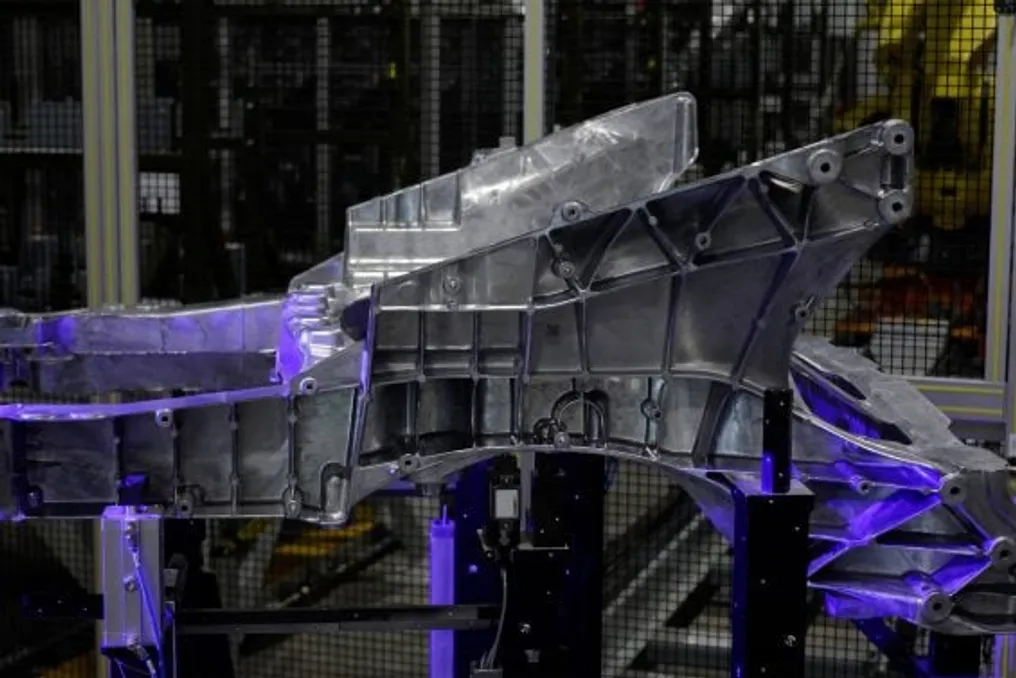
Ford looked to Tesla for inspiration to develop an electric pickup truck with reduced costs. Instead of building the body using dozens of welded sheet panels, the automaker plans to fuse the front and rear parts into two large aluminum components.

This process, called unicasting by Ford, will be applied to the Fathom, a mid-sized electric pickup expected to enter the American market next year at a price of US$ 28,350 (approximately R$ 151 thousand). According to the manufacturer, these two parts will replace 146 structural elements present in the Maverick, a model also sold in Brazil.

The methodology used is identical to the gigacasting utilized by Tesla on the Model Y since 2020.

In a conventional body, each section of the structure is molded from metal sheets and subsequently welded to the others by robots. In the casting method, liquid metal is poured into a mold and emerges as a single piece, resembling the principle of an ice mold, but on an industrial scale.

Ford has already manufactured over 5,000 of these parts, enough to produce 2,500 pickups, at the Shelbyville Technical Center, located in the state of Kentucky. Currently, these parts are only being used in prototypes.

The procedure begins with aluminum ingots heated to about 700°C. After being injected into the mold, the part is removed by a robot, cooled in a tank, trimmed, and subjected to machining processes.

Next, the parts undergo a rigorous battery of tests. In a climate-controlled area, equipment checks dimensions and hole locations. An industrial X-ray is used to detect any internal voids or bubbles in the aluminum, while an optical scanner maps the surface.

Samples from each batch are also evaluated for their chemical composition and strength. Only after approval is the batch sent to the Louisville factory, also located in Kentucky.

The giant components also allow Ford to incorporate an original invention of its founder. In 1913, Henry Ford introduced the moving assembly line for the production of the Model T, known as the Ford Moustache, where the vehicle followed a single conveyor belt receiving components along the way.

In the Fathom, this conveyor belt is replaced by what the company calls the 'assembly tree'. Three lines work simultaneously on assembling the front, the rear, and the battery, which serves as the floor and already receives seats, console, and carpet. These three sets are only joined at the final stage.

According to Ford, this new method has the potential to accelerate assembly by up to 40%. A portion of the saved time will be redirected to automation investments, projecting a final gain of 15%.

Production, confirmed only for the United States, is scheduled to begin in the first quarter of next year.

Popular