
Spain demands TikTok suspend operations over child sexual abuse content
Read more
Olhar Digital
olhardigital.com.br

Spain demands TikTok suspend operations over child sexual abuse content

The Spanish government has demanded that TikTok suspend its operations in the country until the platform removes materials related to child sexual abuse. This demand was made on Tuesday (the 10th) after an investigation uncovered over a thousand explicit posts that collectively garnered tens of millions of views on the social network.

Spain's Minister of Youth, Sira Rego, addressed the Prosecutor's Office and the Data Protection Agency to urge authorities to take action against the company. According to the ministry's statement, Rego emphasized that social networks cannot function as territories without rules.

This demand followed an investigation published by the Spanish fact-checking organization Maldita.es. This analysis found 1183 publications containing explicit material about child sexual abuse on TikTok. These videos were viewed at least 48 million times, and over 26 thousand profiles commented on or shared this content.

The new requirement came months after the Spanish government requested an investigation into X, Meta, and TikTok regarding the alleged dissemination of AI-generated child sexual abuse material. This initiative is part of a broader movement to control large technology companies in Europe, where regulators are increasing pressure on platforms due to the spread of harmful and illegal content.

However, Minister Sira Rego does not have the authority to unilaterally ban TikTok from Spain. Therefore, the government appealed to the Prosecutor's Office and the Data Protection Agency to take measures against the company. The Spanish demand represents another stage of European pressure on social networks to make them more responsible for the content they publish and distribute.
Similar stories

Ban on mobile phone use in Mexican schools introduced; parents express concern
Read more
www.aajtak.in

Ban on mobile phone use in Mexican schools introduced; parents express concern

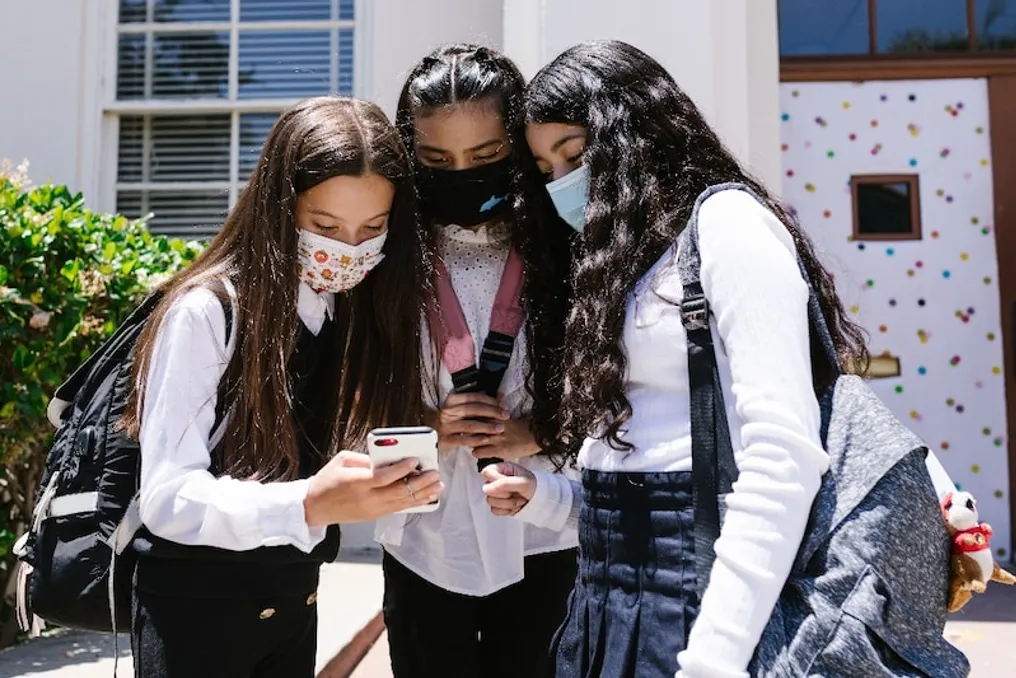
A rule prohibiting the use of mobile phones during classes has come into effect in Mexican schools starting Tuesday. The government claims this will help students focus on their studies and reduce dependence on mobile devices.

Nevertheless, some parents are opposing this decision. Their concerns are related to the fact that amid the growing level of violence in the country, they may lose contact with their children who are at school.

Experts have supported the initiative taken by the government of President Claudia Sheinbaum. They believe that excessive use of mobile phones can contribute to the development of stress, anxiety, and distractions in children. The government's goal is to protect children and adolescents from dependence on digital platforms.

According to the new regulations, the use of mobile phones and other electronic gadgets will be restricted throughout the entire school day in primary and secondary schools. However, they are allowed under the supervision of a teacher in case of an emergency, as well as to meet needs related to disability or health. Children can carry phones with them when arriving at and leaving school.

Parents express their anxiety, pointing to the increase in cases of violence in Mexico, which makes having a phone for family contact in case of necessity extremely important. Some parents also accuse the government of ignoring their concerns.

According to the organization REDIM, which works to protect children's rights in Mexico, one in ten children under 17 years old faced incidents related to organized crime in the first half of this year.

In parallel, the government plans to introduce new rules for digital platforms. These norms will require the removal of content containing hate speech, abuse, sexual violence, harassment, and cyberbullying from social networks and other digital platforms. Mexico's Minister of Education, Marido Delgado, stated that the government's goal is to shield children from problems and dependence caused by digital platforms.

Popular