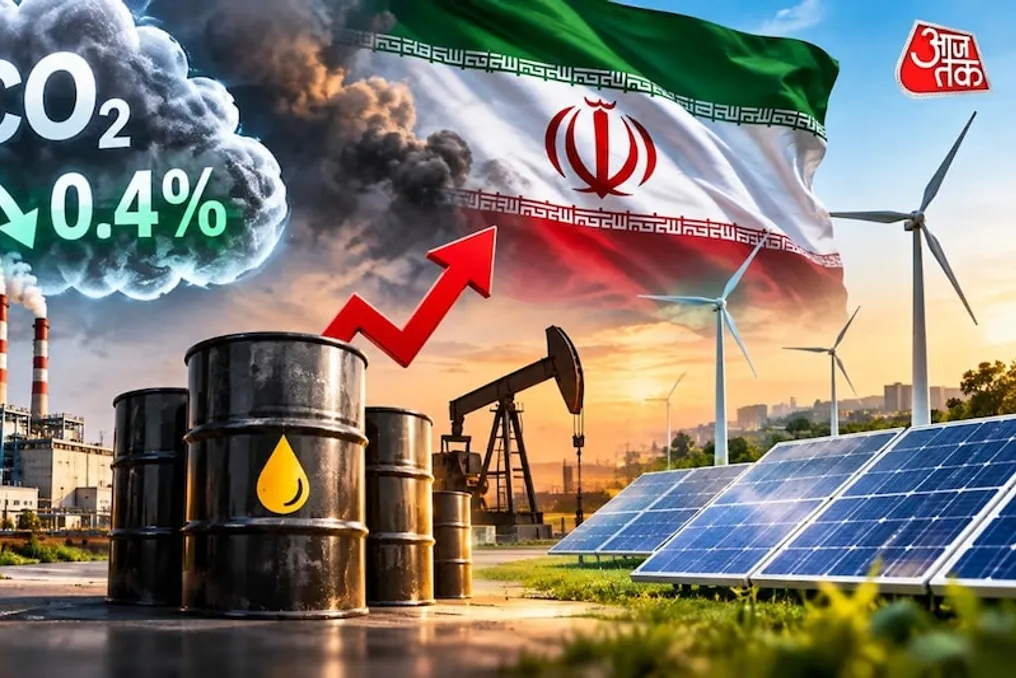
Projections indicate that global carbon dioxide (CO₂) emissions from the burning of fossil fuels are expected to decrease by 0.4% in 2026. Initially, this forecast suggests progress in addressing climate change. However, a significant portion of this reduction is linked to a worrying factor: the effects of the conflict involving Iran on the international oil market.
This estimate is part of a new report released by the Global Carbon Project this Tuesday (10th). The study points to a change compared to the trend observed between 2019 and 2025, a period when global CO₂ emissions from fossil fuels showed an average annual growth of 0.8%.
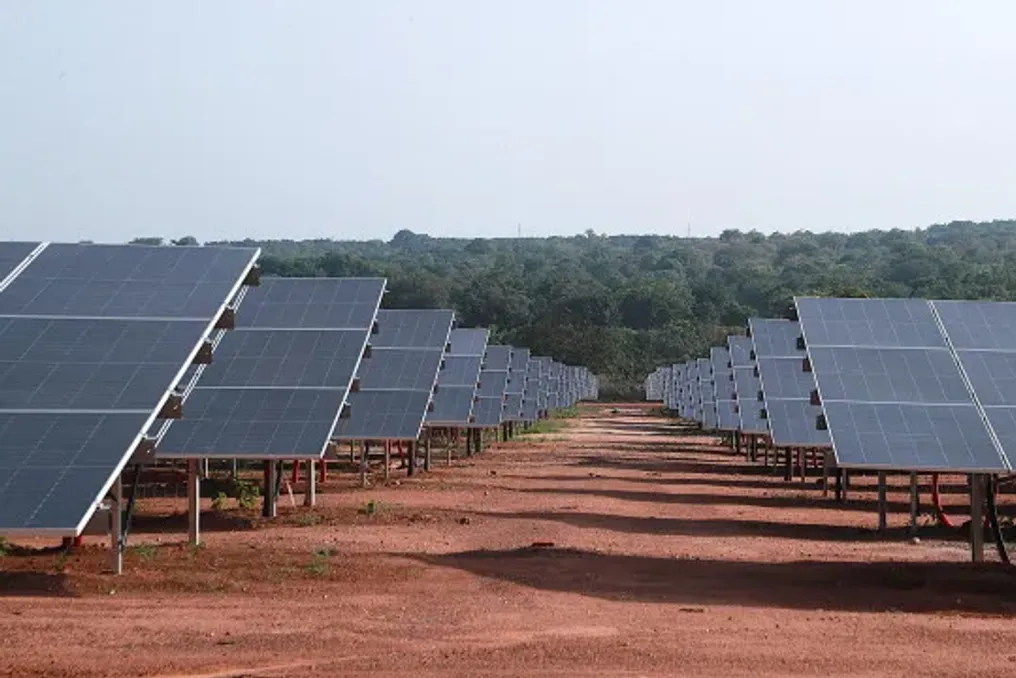
Although the expansion of solar and wind energy sources contributes to the decrease, it alone does not justify the total result. Furthermore, the increase in oil prices, a direct consequence of the Middle East conflict, has encouraged both companies and consumers to reduce consumption of this fuel.
The Global Carbon Budget predicts that the combustion of fossil fuels will result in the production of 38.2 billion tons of carbon dioxide in 2026. Despite this expectation of reduction, global energy demand continues to rise. Although renewable sources and electric vehicles cover almost two-thirds of this increase, they are not yet evolving fast enough to ensure a continuous long-term decline in emissions.
Another problematic point lies in land use modification. Emissions related to practices such as deforestation are expected to add about 500 million tons compared to the previous year. Consequently, the concentration of CO₂ in the atmosphere should reach 427.7 parts per million (ppm) in 2026, a level 54% higher than recorded before the Industrial Revolution.
Glen Peters, a professor and researcher at the CICERO International Climate Research Center, stated to IFLScience that an emission reduction in just one year does not constitute a definitive peak if it is not the result of structural changes. The researcher emphasizes that although the expansion of solar panels, wind turbines, batteries, and electric cars helps reduce emissions in several countries, these transformations are still insufficient to guarantee a sustained global decline.
James Renwick, a professor of physical geography at Victoria University of Wellington (New Zealand), also assesses that the projected reduction is strongly tied to the war in Iran. He argues that when considering land use changes, total global emissions are likely to increase in 2026. This scenario is comparable to other temporary declines seen historically, such as during the Covid-19 pandemic, the 2009 financial crisis, and the energy crisis of the 1970s. In all these instances, the decrease was linked to extraordinary events, and not necessarily to a permanent transformation of energy systems.
The full study was published in the scientific journal Nature Climate Change.