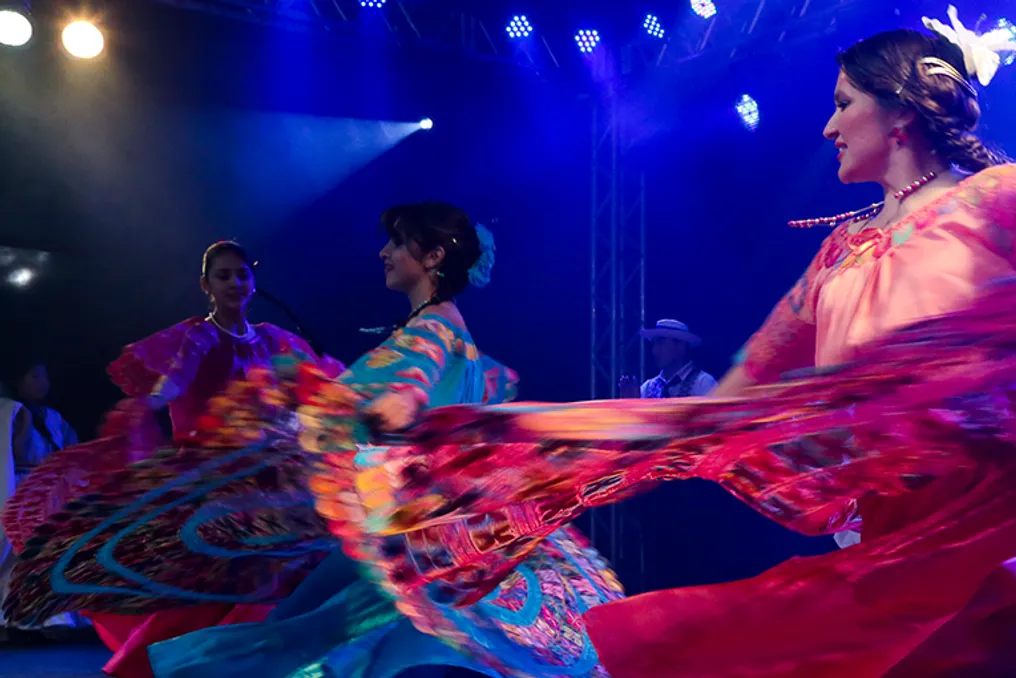
Immigrant Festival in São Paulo Unites Cuisine from Over 40 Countries on November 14 and 15
Read more
Viagem e Turismo
viagemeturismo.abril.com.br

Immigrant Festival in São Paulo Unites Cuisine from Over 40 Countries on November 14 and 15

The Immigrant Festival will take place in São Paulo on November 14 and 15, marking its 30th edition at the Immigration Museum located in the eastern part of the city. This year, the event will gather representatives from over 50 countries and regions, offering visitors food courts, craft fairs, as well as music and dance performances. Entry to the festival is free upon donating 1 kg of non-perishable food items, excluding salt.

Over 100 different events are planned during the weekend: these include 58 exhibitors representing gastronomy and crafts, 32 artistic performances, as well as 20 master classes and interactive sessions. The program will run daily from 10:00 AM to 6:00 PM.

The gastronomic zone will feature cuisines ranging from Germany to Japan, covering more than 40 countries and peoples, including Greece, Italy, Lebanon, and the island of Madeira in Portugal. Culinary master classes planned include an Italian pasta-making lesson with Mammas de San Gennaro and a session dedicated to traditional Afghan recipes.

Cultural workshops also include learning techniques from various countries, such as decorating Maguchai eggs, a Lithuanian tradition, Armenian calligraphy, and ceramic painting. At the craft fairs, the public can find items related to cultures from Egypt to Russia.

Over the two days, 27 communities will present folk dances, choral songs, and musical performances. Among the main performers are the Japanese group Mukyou Daiko with their traditional drums and the Cuban musician René Ferrer, who performs music with Afro-Cuban and Caribbean influences.

Event Schedule

Saturday (November 14)

The schedule for Saturday includes performances: 10:30 AM — Vakhank Minassian Choir (Armenia); 11:00 AM — Hanin (South Korea); 11:30 AM — Lake Brazil BLK Folk Dance Group (Latvia); 12:00 PM — Kyiv Ukrainian Folk Dance Group (Ukraine); 12:30 PM — Caporales San Simon Brotherhood (Bolivia); 1:00 PM — Odissi Classical Dance and Garba Folk Dance (India); 1:30 PM — René Ferrer (Cuba); 2:00 PM — Sumakperubrazil (Peru); 2:30 PM — Alma Guarani Paraguayan Dance (Paraguay); 3:00 PM — Cilicia (Armenia); 3:30 PM — Cia Alegria Signa (Spain); 4:00 PM — Balalaika Dance and Folklore Group from Russia (Russia); 4:30 PM — Cabo Verde Cultural Group (Cabo Verde); 5:00 PM — ATS Kung Fu Garra de Águia Lily Lau (China); 5:30 PM — Apollo Greek Dance Group (Greece); 6:00 PM — Mukyou Daiko (Japan).

Sunday (November 15)

The following events are scheduled for Sunday: 10:30 AM — Madeira Autonomous Region Folklore and Ethnography (Portugal); 11:00 AM — Jadran (Croatia); 11:30 AM — São Paulo Scottish Brass Band (Scotland); 12:00 PM — GDFA Tanzfreunde (Germany); 12:30 PM — Neolea Asteri Greek Folk Dance Group (Greece); 1:00 PM — Volga Choir and Folk Dances from Russia (Russia); 1:30 PM — Trevisani Nel Mondo Association (Italy); 2:00 PM — Rambynas Lithuanian Folklore and Culture Group (Lithuania); 2:30 PM — Kinchamali Folk Dance Group from Chile (Chile); 3:00 PM — Pramen Group (Czech Republic); 3:30 PM — Pedro Homem de Mello Folk Dance Group from Portugal (Portugal); 4:00 PM — Kantuta Bolivian Cultural Folklore Group (Bolivia); 4:30 PM — Pantlika Hungarian Folk Dance Group (Hungary); 5:00 PM — Kaulike 'Uhane (Cambodia); 5:30 PM — Zorbas (Greece).

About the Immigration Museum

The Immigration Museum operates in the building of the old Brasa Immigrant Guesthouse, which was opened in 1887 to accommodate foreigners arriving in the state of São Paulo. This complex provided housing, food, and medical care to recent arrivals, many of whom were heading to work on coffee plantations and in the industrial centers of São Paulo state. The guesthouse ceased operations in 1978, and after restoration work, it was transformed into the current museum, which opened in 2014.

As part of the current program, visitors can take a tour led by the team of the Center for Preservation, Research, and Reference Materials through the premises of the former guesthouse, including areas usually closed to the public on ordinary days.

Venue and Cost

The venue is the Immigration Museum, located at Rua Visconde de Paranapiacaba, 1316, Mooca, São Paulo (SP). The dates are November 14 and 15, 2026, from 10:00 AM to 6:00 PM. Admission is free upon donation of 1 kg of non-perishable food items, excluding salt. Tickets can be obtained at the museum's box office.
Similar stories

Salvador hosts Cocktail Festival with free street party in Historic Center
Read more
viagemeturismo.abril.com.br

Salvador hosts Cocktail Festival with free street party in Historic Center

From November 10 to 16, Salvador will host the Salvador Cocktail Festival, an event dedicated to mixology that will bring together bars and bartenders from both Brazil and abroad. The program will span various establishments in the Bahian capital, including a free street party on the 14th and 15th, held in the Historic Center, featuring over 40 bars during those two days.

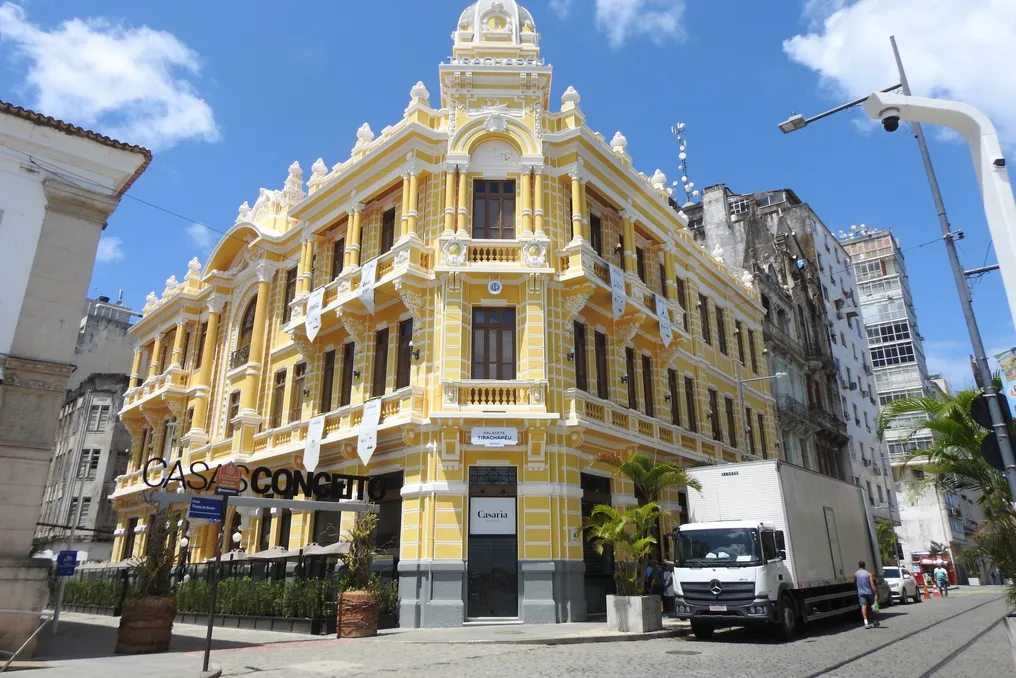
The festival is organized by Purgatório, a bar in Salvador that is part of the international Top 500 Bars ranking, in collaboration with Palacete Tira-Chapéu. Additionally, there will be a professional congress on November 15th and 16th, featuring lectures, debates, and tasting sessions, available upon ticket purchase.

The events gather venues from different parts of Brazil and nations from Latin America, Europe, and Africa. International guests include Alquímico from Cartagena, Colombia; CoChinChina from Buenos Aires, Argentina; and Drink Kong from Rome, Italy. Representatives will also participate from Chile, Mexico, Ecuador, and Kenya.

The Brazilian selection includes venues from São Paulo, such as Santana Bar, SubAstor, and Exímia; from Rio de Janeiro, including Nosso and São Miguel; as well as Zimbro from Goiânia, and Oliveira Bar from São Bento do Sul.

During the seven days of the festival, Brazilian and foreign bartenders will temporarily take over the bars in Salvador to prepare cocktails for the public. On Thursday, the 12th, Purgatório will celebrate four years of operation with a party attracting guests from inside and outside Brazil.

On Friday, the 13th, the schedule focused on 14 bars in the Bahian capital, where guest bartenders worked simultaneously starting at 7 pm, creating special cocktails in establishments across various neighborhoods of the city. At Peixe Voador, located in the Historic Center, Daniel Estevan from Nosso Ipanema and Laura Paravato from São Miguel, both from Rio de Janeiro, were present. Silva Cozinha hosted Gabriel Queiroz and Bruna Bertollo from Amargot, from São Paulo, along with Benício Calaça from Zimbro, from Goiânia. In the Comércio neighborhood, Amado featured Mia Rossi from Shiro, from São Paulo.

The nights of November 14th and 15th will be dedicated to a free street party, held next to Palacete Tira-Chapéu in the Historic Center. This event will feature the participation of over 40 bars from Brazil and abroad, distributed across the two days. Around 20 bars are expected per night, with guest bartenders serving cocktails. The party will include a food area and musical performances in Praça Thomé de Souza, featuring Tiri de Castro, Karen Cuzco accompanied by a chorinho band, Guga Fernandes, and DJ Jamil. Although entry is free, the consumption of food and drinks will be charged separately.

On November 15th and 16th, Palacete Tira-Chapéu will host the festival's congress, aimed at professionals and individuals interested in the beverage sector. The organization announced 21 activities, covering lectures, round tables, and guided tastings, with the participation of national and international guests.

On Sunday, the 15th, the topics covered included cachaça production in 2026, the use of alcohol in beverages, and the formation of collaboration networks among Latin American bars. Participants included Felipe Januzzi from Mapa da Cachaça and Edwin Lobo from Código 86, from Ecuador. On Monday, the 16th, the agenda focused on the trajectory of Drink Kong, a bar from Rome, with Patrick Pistolesi, and current trends in spritz consumption. The congress has a cost, with tickets available for one or two days; the passport costs R$ 200 in the first batch, while the individual entrance is R$ 150, and can be purchased through the Ingresse website.

São Paulo's Historic Center will host the Fiesta de Los Muertos, an event inspired by the Mexican Day of the Dead
Read more
viagemeturismo.abril.com.br

São Paulo's Historic Center will host the Fiesta de Los Muertos, an event inspired by the Mexican Day of the Dead

The Historic Center of São Paulo will host the first edition of Fiesta de Los Muertos on November 2nd, an event inspired by the Mexican celebration of the Day of the Dead. The organization of this event is the responsibility of the São Paulo City Hall, through the Municipal Secretariat of Tourism.

The program is packed with various activities, including musical performances, mariachi shows, artistic interventions, and a circuit dedicated to typical Mexican gastronomy.

The attractions will be distributed across several points in the central area. In Praça do Patriarca, activities will begin at 1:30 PM with the Mariachis SP group, followed by Banda Viva a Noite at 3:30 PM. Later, at 5:30 PM, the stage will be occupied by the electronic music duo DubDogz.

Other locations in the center will also feature music. The mariachis will have a second performance at Praça Antônio Prado at 4:00 PM. At Largo do Café, DJs will be present starting at 3:00 PM, and Rua Direita will feature performances by Amanda Lig at 4:00 PM and LSIDE at 6:00 PM.

Additionally, Viaduto Santa Ifigênia will host an exhibition, a tunnel designed for photography and scenic interventions. In this location, actors dressed in costumes will interact with visitors through performances and scares.

Mexican cuisine will also be a highlight of Fiesta de Los Muertos. Nine establishments will participate in the gastronomic circuit, offering dishes, desserts, and drinks prepared specifically for this date.

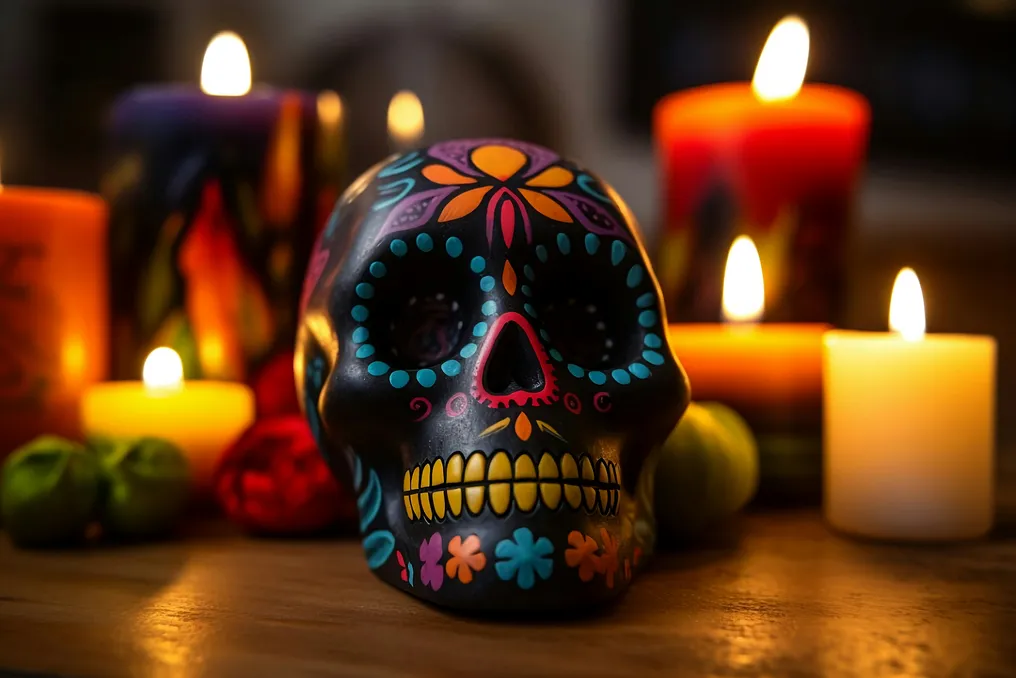
The festival alludes to Día de los Muertos, which is celebrated in Mexico between November 1st and 2nd. This tradition is based on the belief that during this period, the spirits of those who have passed away return to visit their families. The date is celebrated with colors, music, food, and tributes that serve to keep the memory of friends and relatives who have passed alive.

Popular