European Court of Auditors points out flaws in the application of trade sanctions against Russia in the European Union
Read more
Noticias ao Minuto
noticiasaominuto.com

European Court of Auditors points out flaws in the application of trade sanctions against Russia in the European Union

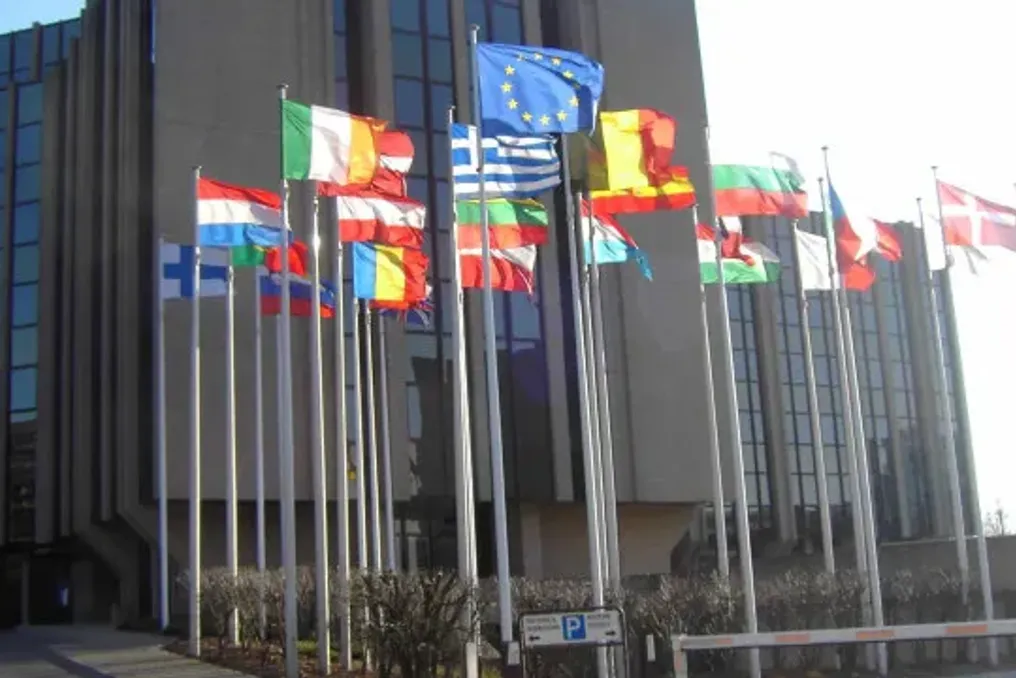
The European Court of Auditors (ECA) published a report indicating that the trade sanctions imposed on Russia are not being applied uniformly by the member states of the European Union (EU). The ECA advocates for the establishment of common rules and ensuring consistency at external borders.

In the document, the ECA observed that different national practices in monitoring compliance with EU trade sanctions create opportunities for third parties to seek the most favorable jurisdiction. This disparity weakens the various sanction packages approved to punish Moscow for the invasion of Ukraine, which occurred in February 2022.

One of the problems highlighted by the ECA auditors is the lack of standardization in terminology used. Several inconsistencies were detected between the sanctions regulations and the Customs Code, specifically regarding the concepts of 'country of origin' and the term 'transfer'.

The Court suggests that the European Commission conduct a detailed analysis to verify whether member states are applying EU trade sanctions and supervising their compliance homogeneously. Furthermore, the ECA emphasizes the importance of information exchange among the 27 members of the bloc, requiring customs to have access to central data exchange systems relevant to the application of these sanctions.

Brussels also needs to improve the monitoring and evaluation of the effectiveness of trade sanctions, ensuring that data collection, analysis, and compliance monitoring processes are more complete and integrated. It is also necessary to propose clear criteria to measure the effectiveness of the sanctions and carry out periodic evaluations based on these guidelines.

Trade sanctions function as an instrument of foreign policy, primarily implemented through the EU Customs Union, under the supervision of national authorities at external borders. More than four years after the start of the large-scale Russian invasion of Ukraine, ECA auditors warn that these flaws prevent the EU from acting cohesively and create loopholes for circumventing sanctions.

In October, the EU implemented its largest expansion of sanctions against Russia. The 22nd sanctions package directly targets about 1,600 people and entities linked to the Russian military-industrial complex, with a special focus on the ballistic missile production chain. Ukraine has been receiving financial and military support from Western allies since the Russian invasion on February 24, 2022.
Similar stories

99Food modifies restaurant photos with Artificial Intelligence without consent and receives complaints
Read more
olhardigital.com.br

99Food modifies restaurant photos with Artificial Intelligence without consent and receives complaints

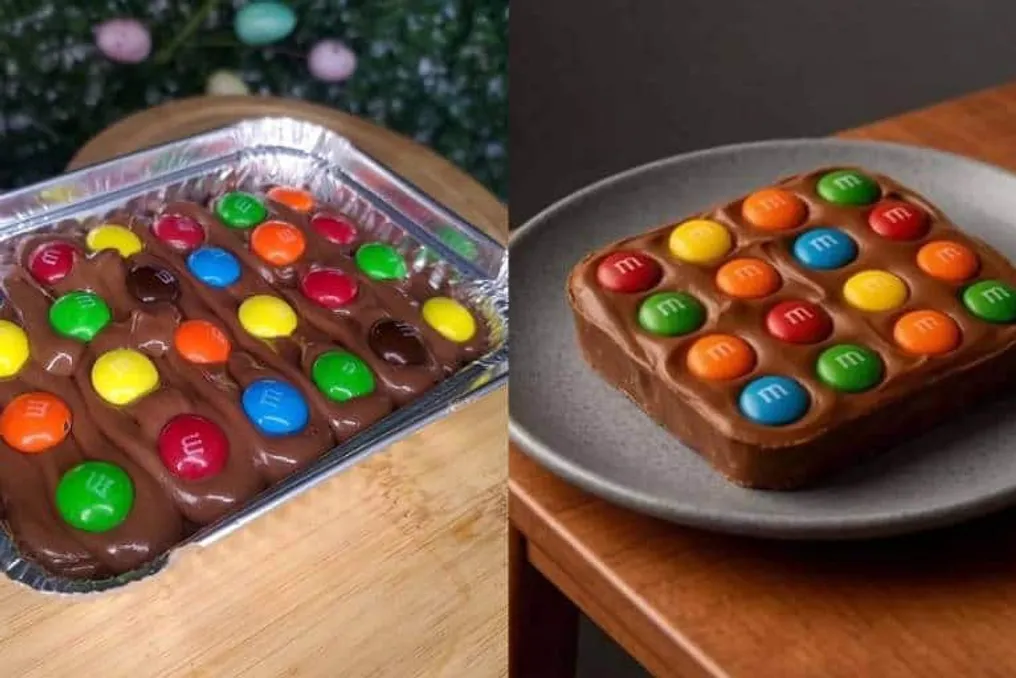
99Food is reassessing its menu moderation guidelines after several restaurants reported that their actual product photos were replaced by images generated or altered by artificial intelligence (AI), even without the establishments' permission.

Merchants report that the problem persists even after the original versions are recovered, as the platform may modify the images again, forcing restaurants to repeatedly redo their menu review.

Complaints surfaced on social media and Reclame Aqui starting in April. Local owners argue that such modifications can result in delivered food being different from what is shown, causing customer dissatisfaction and requests for refunds.

The contract signed between the platform and the restaurants allows for the enhancement, editing, or replacement of item photographs, including the use of AI. The justification presented by the platform is to elevate the technical quality of the images and ensure they accurately reflect the ingredients used in the dishes.

However, this same document imposes certain rules: the platform must electronically notify the establishment before any substitution and must clearly and visibly signal to the consumer which images were created or improved by AI. Additionally, restaurants retain the right to remove or change these photos at any time.

The contract also transfers to the establishments the responsibility of confirming that the delivered products correspond to the descriptions and images displayed in the application. In practice, this places merchants in a delicate position, as they must manage any discrepancies between consumer expectation and the received item, even when the platform itself made changes to the photos.

One cited example is a chocolate shop located in Santo André, SP. Designer Kevin Oliveira, who manages the location through his sister-in-law and fiancée, has faced this issue since the beginning of the year. He informed Folha de S.Paulo that despite contacting the company in July to complain, the situation was not resolved. Oliveira stated: 'We sent them a message in July about this and they still haven't resolved it. Every time we upload a photo, they upload a similar one made by AI.'

Oliveira also highlighted that these changes negatively affect customer relationships, as consumers may receive something different from what was shown in the app. He added: 'It causes a lot of problems because, when someone places an order, the image has already been changed without us knowing. If the customer wants a refund, we have to give it, in addition to damaging the store's image.'

While reviewing its moderation criteria, 99Food needs to find a balance between using AI to optimize menus, maintaining visual fidelity, and respecting merchants' control over the presentation of their products. Olhar Digital contacted 99Food awaiting an official statement.

Foton debuts at Fenatran presenting innovations in vehicles, services, and infrastructure in Brazil
Read more
autopapo.com.br

Foton debuts at Fenatran presenting innovations in vehicles, services, and infrastructure in Brazil

Foton made its debut at the National Transport Fair (Fenatran) with a vast range of new products, signaling its entry into the Brazilian heavy truck market and expanding its presence in the commercial vehicle sector. With this participation, the company reinforces its position among brands considered 'full range' in the segment, which offer a complete range of vehicles, from light models to the most robust ones.

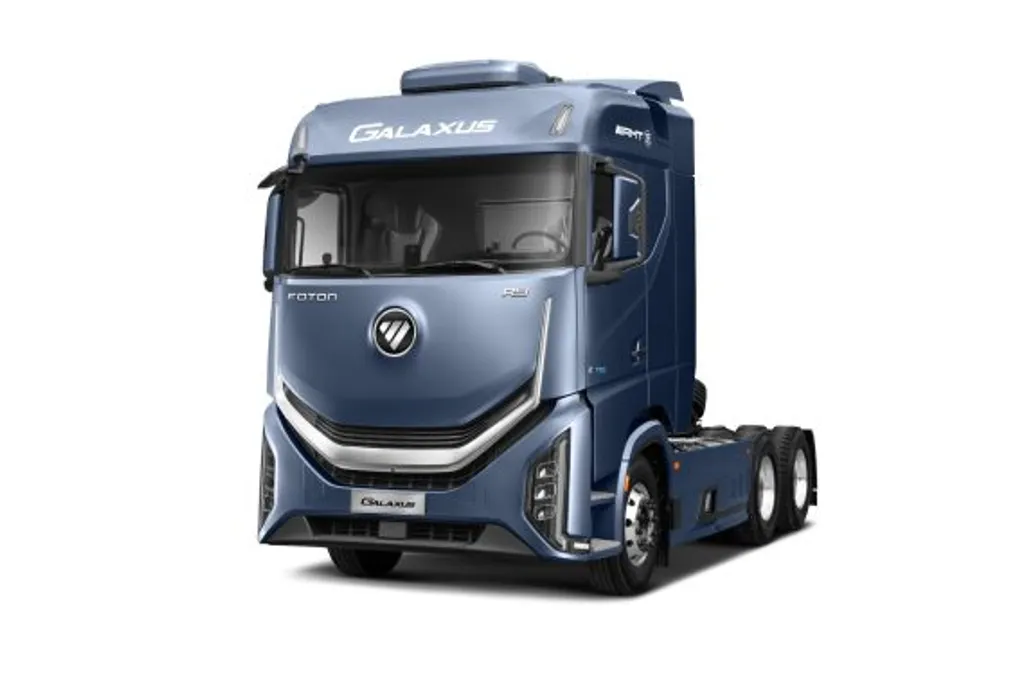
One of the highlights presented by the manufacturer is the heavy truck Galaxus R9, whose arrival at dealerships is scheduled for the second half of 2027. This model features 6x4 traction, is equipped with a 12.89-liter Cummins X13 engine generating 560 hp and 2,600 Nm of torque, and uses the 12-speed ZF TraXon 2 automated transmission. With the Galaxus R9, Foton completes its offering in the country, covering everything from pickups and light utilities to heavy trucks.

In the urban and entry-level distribution niche, Foton launched the Wonder mini truck, powered by gasoline with a 1.6-liter, 120 hp engine, with an initial price of R$105 thousand and expected to reach stores in 2026, coexisting with its electric version. Additionally, the electric eMiler VUC (Urban Cargo Vehicle) was presented, offering an autonomy of up to 260 km, a payload capacity of 2,270 kg, and can be driven by drivers with Category B licenses, with a launch forecast for the first half of 2027.

The brand also exhibited the Daystar concept, a fully electric VUC designed to optimize urban logistics. In the 7T configuration shown at the event, this model features a permanent magnet synchronous electric motor that provides 190 hp and 390 Nm of torque, powered by a 100.07 kWh battery.

To support the increase in sales—which grew by 100% between January and September 2026 compared to the same period in 2025—the manufacturer inaugurated an Automotive Distribution Center in Araquari (SC), spanning 60,000 m². Furthermore, an Automotive Technical Center will open in Barra Funda, São Paulo, in December, strengthening the national structure for services, training, and after-sales support.

Sharp rise in alcohol sales observed in Delhi during Diwali festivals
Read more
www.aajtak.in

Sharp rise in alcohol sales observed in Delhi during Diwali festivals

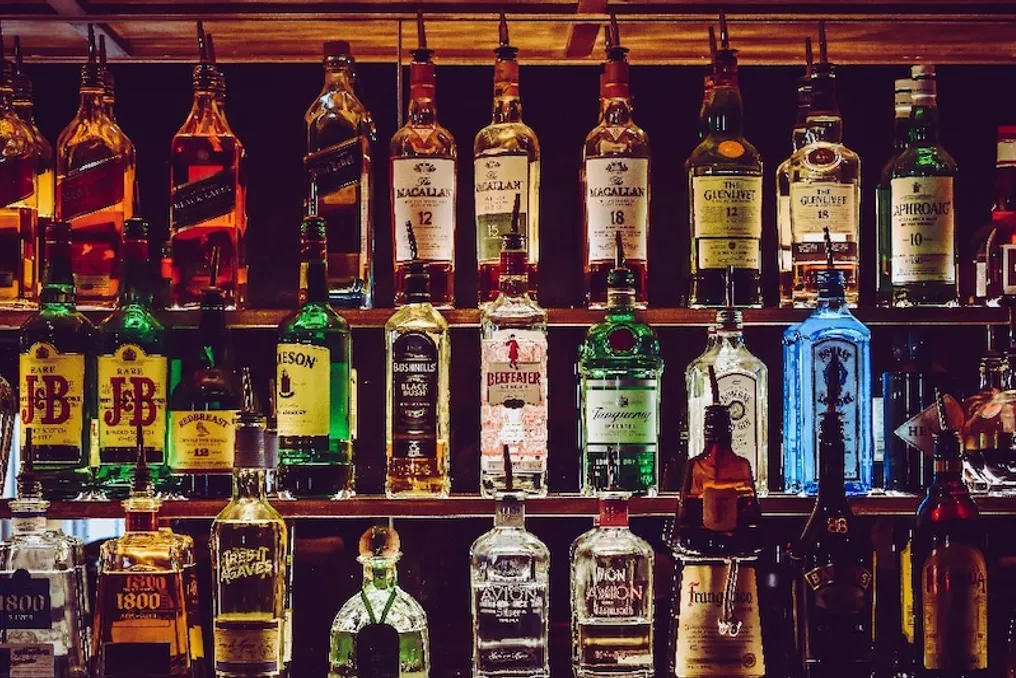
A significant surge in alcohol sales has been noted in the capital city of Delhi during the Diwali festival period. Over the past two weeks, alcohol sales in Delhi have increased by 13% compared to last year, bringing in revenue of approximately 600 million rupees for the tax department.

According to the tax department's data, 33.1 million bottles of various brands of alcohol were sold during the two festive weeks this year. Meanwhile, 29.6 million bottles were sold during the same period leading up to Diwali in 2025.

Regarding revenue, the tax department registered total earnings of 589.17 million rupees during the current year's two festive weeks, compared to 518.97 million rupees last year.

In accordance with a previous directive from the department, a 'dry day' was declared in Delhi on Diwali, and all liquor stores were closed. Because of this, the day preceding the festival, November 7th, saw a large crowd at liquor stores, leading to sales amounting to over 79 million rupees.

On the night before Diwali this year, 4.045 million bottles were sold worth 79.25 million rupees. This significantly exceeds the figures from last year, when 3.470 million bottles were sold worth 63.40 million rupees on the same day.

Officials stated that these sales figures are preliminary and may be adjusted after reconciliation with final data from four state corporations responsible for retail sale of alcohol in more than 700 stores across the city.

According to available data, revenue from alcohol sales reached 792.52 million rupees by 2026, compared to 634.08 million rupees in 2025, demonstrating a substantial growth of 24.9 percent.

It should be noted that the retail trade of Indian Made Foreign Liquor (IMFL), foreign alcohol, and beer in Delhi is restricted to four Delhi government corporations: DTTDC, DSIIDC, DSCSC, and DCCWS.

Popular