Study shows that inhaled corticosteroids may worsen biochemical indicators of sickle cell anemia severity
Read more
N+1
nplus1.ru

Study shows that inhaled corticosteroids may worsen biochemical indicators of sickle cell anemia severity

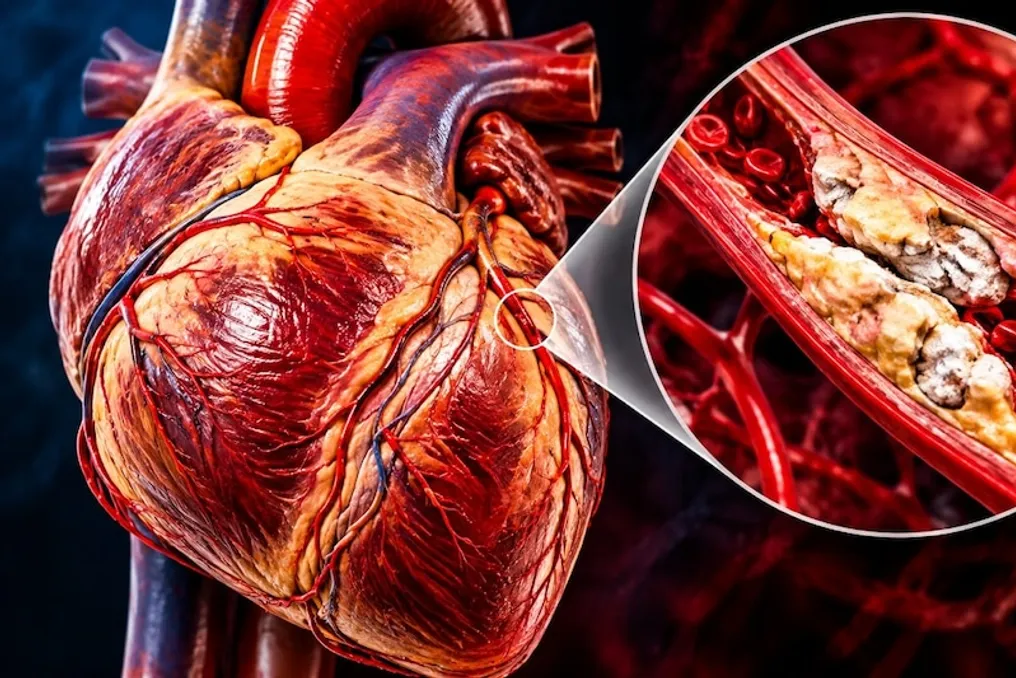
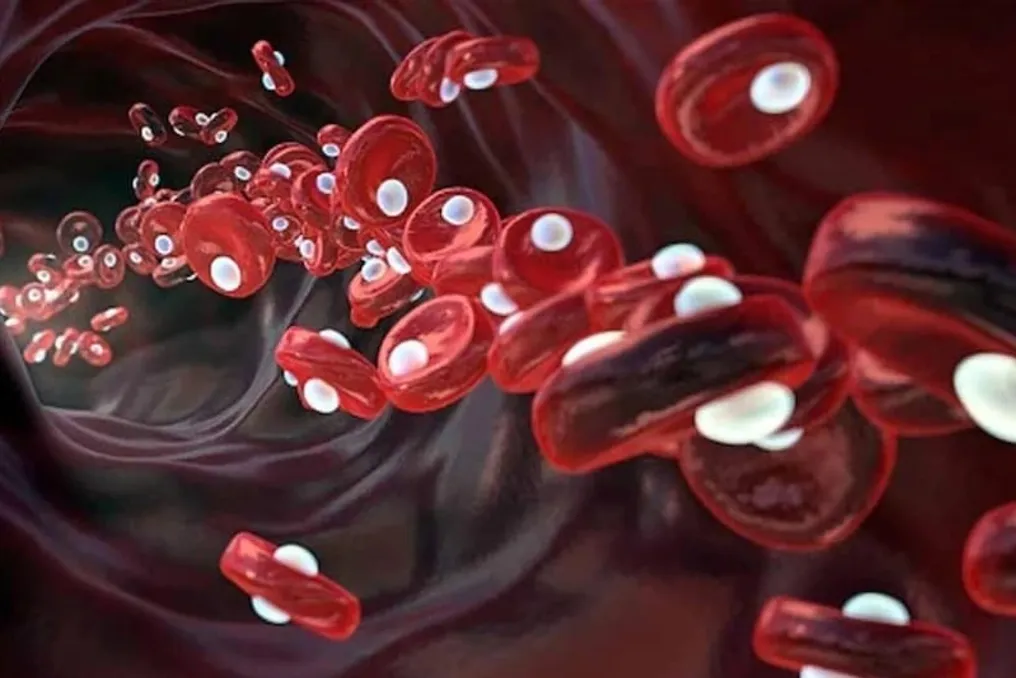
A randomized clinical trial conducted by American scientists revealed a link between the use of inhaled mometasone and the worsening of biochemical severity indicators in patients with sickle cell anemia.

It was found that the application of this inhaled drug in people suffering from sickle cell anemia, dry cough, and without diagnosed asthma leads to a significant increase in the concentration of vascular cell adhesion molecule-1 (VCAM1).

High levels of this factor in the blood of patients with sickle cell anemia have previously been associated with the development of vaso-occlusive crises and a more severe course of the disease. The results of this study were officially published in the journal JAMA Network Open.

Similar stories

Blood pressure can rise due to hidden sodium content in foods even when salt intake is reduced
Read more
www.aajtak.in

Blood pressure can rise due to hidden sodium content in foods even when salt intake is reduced

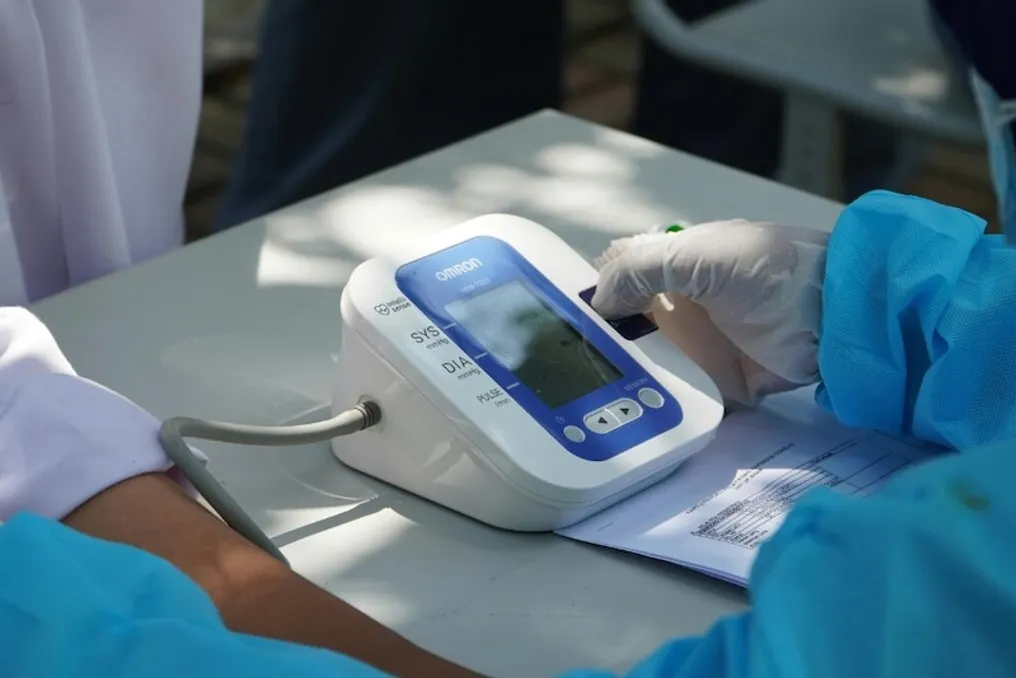
Associate Professor of Cardiology at Rajiv Gandhi Hospital in Delhi, Dr. Ajit Jain, noted that simply reducing salt intake is not enough to prevent high blood pressure. According to him, people unknowingly consume many products containing excessive amounts of sodium.

When a person develops hypertension, doctors advise reducing salt consumption because salt contains sodium, which can raise blood pressure. However, there is a danger that a person consumes other foods that also contain moderate amounts of sodium and can contribute to rising pressure. Many people do not even suspect that they are consuming too much salt daily through these foods.

Dr. Ajit Jain explained that when excess sodium accumulates in the body, the body begins to retain water. This leads to an increase in blood volume, which creates additional pressure on the blood vessels. As a result, blood flow is disrupted, and blood pressure begins to rise. Therefore, it is extremely important to monitor what you eat and whether the food contains sodium.

Foods that contain excess sodium include bread and biscuits. Bread and biscuits, which are often included in breakfast, contain a certain amount of salt. Therefore, it is recommended to consume them in limited quantities, for example, no more than once every two weeks.

Such products also include chips, snacks (bhujia), and salty snacks. A significant amount of salt is added to these products for flavoring. Many people are accustomed to eating salty snacks or bhujia with tea in the evening. Even small and frequent consumption of these products can be harmful as they contribute to sodium accumulation in the body.

Experts warn: air pollution increases the risk of heart attacks and diabetes
Read more
www.aajtak.in

Experts warn: air pollution increases the risk of heart attacks and diabetes

Increased levels of air pollution lead to a higher risk of developing various diseases. In addition to respiratory problems, doctors note that elevated pollution is associated with an increased probability of heart disease and diabetes. Toxic particles in the air pose a danger to both blood sugar levels and heart health. The situation is particularly worrying for people who already have these conditions, so special caution should be exercised during periods of high pollution.

Dr. Devendra Taneja from the medical field reports that medical studies have confirmed the link between polluted air and heart disease, as well as diabetes. Fine particles present in pollution, known as PM2.5, enter the bloodstream through the respiratory tract. This causes inflammation in the body, which hinders its ability to adequately control insulin and blood glucose levels, thereby increasing the risk of diabetes. These same particles contribute to an increased risk of heart disease.

Dr. Devendra emphasizes that type 2 diabetes itself is a serious problem. However, when the risk of heart disease is added to high blood sugar levels, it presents a significant threat to health. Explaining how pollution affects the heart, Dr. Devendra clarifies that the tiniest particles in polluted air damage the inner lining of blood vessels. This leads to their hardening and the formation of plaques. Since diabetes already puts a strain on the vessels, the combination of these factors increases the likelihood of a heart attack.

People with diabetes are at a higher risk of developing heart problems due to pollution. The process unfolds as follows: first, pollution increases the risk of diabetes, and then, after diabetes develops, the risk of heart disease increases. Studies have also shown that patients with diabetes exhibit more pronounced changes in heart rhythm and ECG when exposed to pollution.

Patients with diabetes and heart disease are advised to avoid being outdoors in polluted air. To protect against fine particles indoors, HEPA filters can be used. If you have been diagnosed with type 2 diabetes and heart disease, you must undergo regular cardiac check-ups with a doctor. If symptoms such as shortness of breath or chest pain appear, you should seek immediate medical attention at a hospital.

Causes of Low Hemoglobin Levels: The Benefits of Beetroot and Greens for Boosting Indicators
Read more
www.aajtak.in

Causes of Low Hemoglobin Levels: The Benefits of Beetroot and Greens for Boosting Indicators

If blood test results (CBC) show low hemoglobin levels, it can be concerning. It is important to understand why hemoglobin levels are decreasing in the body and how beneficial the consumption of greens and beetroot is for increasing them. To do this, one must examine the role of iron in the human body.

Iron plays a key role in the production of hemoglobin, which is responsible for delivering oxygen to all parts of the body. Iron deficiency can lead to a number of problems, such as fatigue, dizziness, shortness of breath, decreased concentration, and hair loss.

Some people experience cravings for substances like ice or chalk, while others may suffer from restless legs syndrome, characterized by a constant desire to move their legs, especially at night, and a feeling of discomfort. All these symptoms can be a consequence of iron deficiency, as iron is the most essential component for hemoglobin formation; with iron deficiency, the bone marrow is unable to produce sufficient hemoglobin.

Dr. Anamika Baklival from the clinical hematology department at S.K. Bidla Hospital explained that iron deficiency can occur due to the absence of green leafy vegetables, legumes, nuts, or other iron sources in the diet. Deficiency can also be observed in young children. In women, hormonal changes associated with heavy menstrual bleeding can also contribute to iron shortage. In some cases, the cause may be a blood clotting disorder, which also leads to iron deficiency.

If a woman experiences constant severe bleeding, simply taking iron supplements will not solve the problem. It is necessary to find and treat the underlying cause of excessive bleeding, otherwise, iron deficiency will recur, leading to anemia. It should be noted, however, that not all forms of anemia are caused specifically by iron deficiency; conditions such as thalassemia, vitamin deficiencies, and kidney diseases can also lower hemoglobin levels.

If a man or woman is diagnosed with anemia due to iron deficiency, but the clear cause has not been established, it is crucial to check for internal bleeding. Ulcers, intestinal diseases, or even cancer can develop in the stomach or intestines, slowly leading to blood loss. Although blood may be discharged with hemorrhoids (piles), it cannot automatically be considered the cause of blood shortage without proper examination. Furthermore, frequent use of painkillers such as ibuprofen and diclofenac can damage the internal lining of the stomach and intestines, causing gradual internal bleeding and lowering hemoglobin.

Dr. Anamika asserts that beetroot does indeed help increase hemoglobin levels, but it is not the only factor. To improve indicators, the diet should include legumes, green leafy vegetables, iron-fortified foods, meat, and fish. While consuming beetroot, dates, and honey is healthy, it is not an anti-anemia treatment on its own. Many patients require iron supplements, and in some cases, intravenous iron infusion may be necessary. After treatment, it is essential to undergo a follow-up blood test to ensure improvement in hemoglobin levels.
Popular