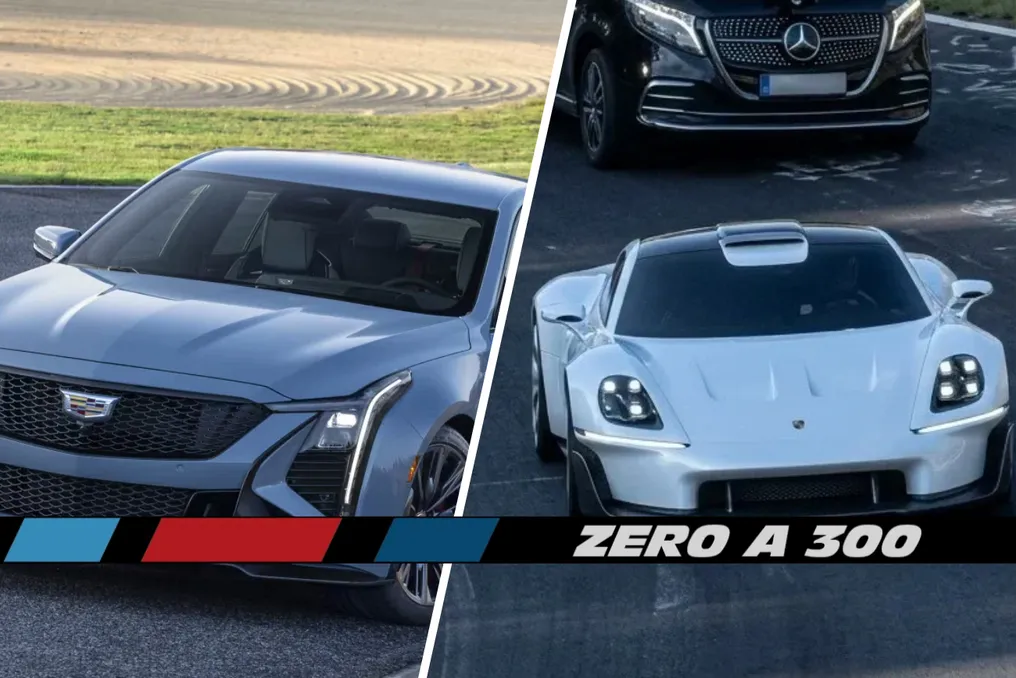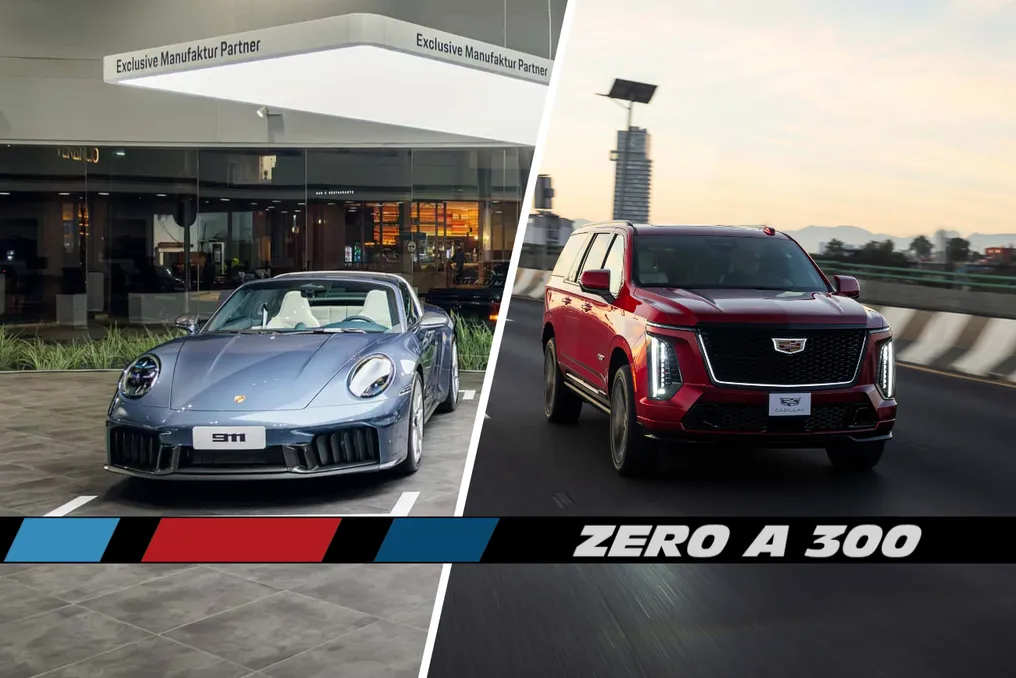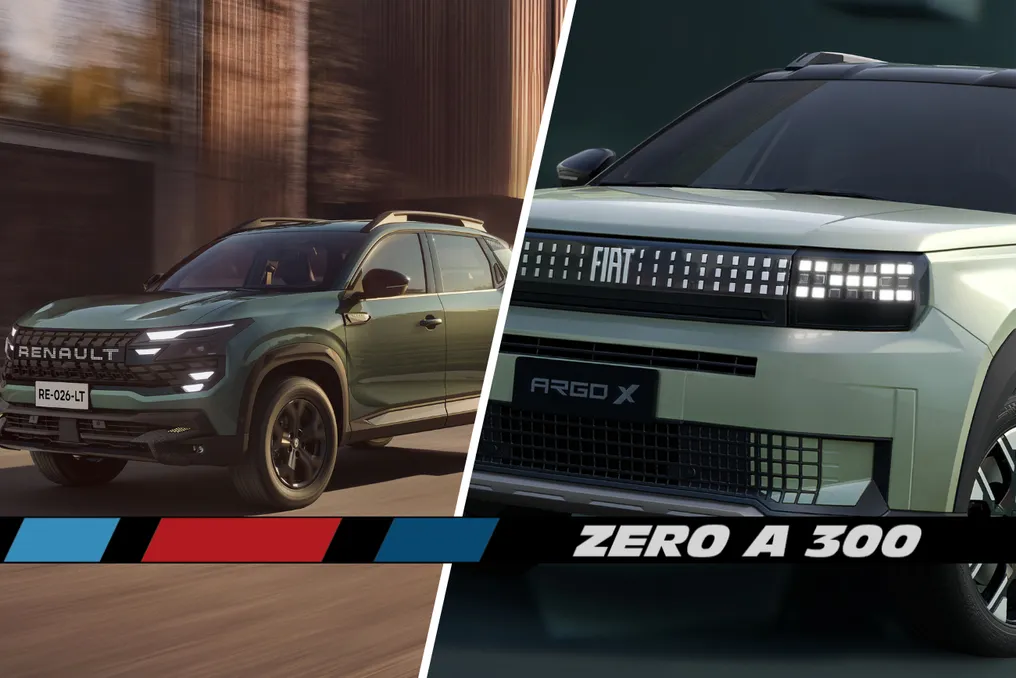
Many modern vehicles available in Brazil, such as VW Up, Renault Sandero, Onix, or Hyundai HB20, are frequently seen in daily life. Although some models may have factory characteristics that favor cornering dynamics, any experienced enthusiast knows that a well-executed project can transform even an unlikely car into a high-performance vehicle.
To optimize the speed of these cars, it is not necessary to worry excessively about the budget. There are popular recipes for engine replacement, such as in the Sandero, where it is common to apply the two-liter F4R engine, following a formula already used by Renault in the R.S. Furthermore, turbo modification is frequent, ranging from basic 'bakery' kits to more advanced solutions involving improvements in injection, flow, internal reinforcement, and ECU reprogramming.
The preparation scene in Brazil has evolved significantly, offering numerous options for those who want a well-performing car without needing to be an expert. However, it is possible to seek qualified workshops and professionals to ensure precise tuning and high speed, focusing only on driving.
This technological advance leads us to reflect on the past, when projects were notably more artisanal. There were fewer ready-made components and fewer parts developed specifically for each application, requiring enthusiasts to find ways to make what they had available work in the chosen vehicle. The workshop at that time functioned not only as a assembly site but also as a transformation of parts.
A crucial difference lies in the architecture of old cars. In these models, much of the assembly was relatively autonomous; the engine, gearbox, differential, suspension, and brakes had distinct particularities but did not depend on a vast network of electronic modules to operate in sync. A carbureted engine did not require a control unit to recognize its configuration, and replacing a mechanical assembly did not impose the need to convince the vehicle's original electronics about the inclusion of the new engine.
This characteristic explains the persistence of certain combinations in Brazilian preparation, such as the Chepala, which combines a Chevette with an Opala engine. Chevas equipped with GM Family I and Family II engines are also common. This does not imply that the adaptations are simple, but there is a relative freedom to combine these sets due to the absence of a complex electronic architecture that needs to recognize the swapped engine. Even with electronic injection, it is feasible to use independent management, such as a programmable control unit.
In contrast, in current models, a swap requires much more work. It is not enough just to install the engine and get it running; depending on the architecture, it is imperative to integrate electronic modules, sensors, safety systems, and even the gearbox. Electrical systems add complexities related to battery management, inverters, and thermal control, especially in intensive use like track days.
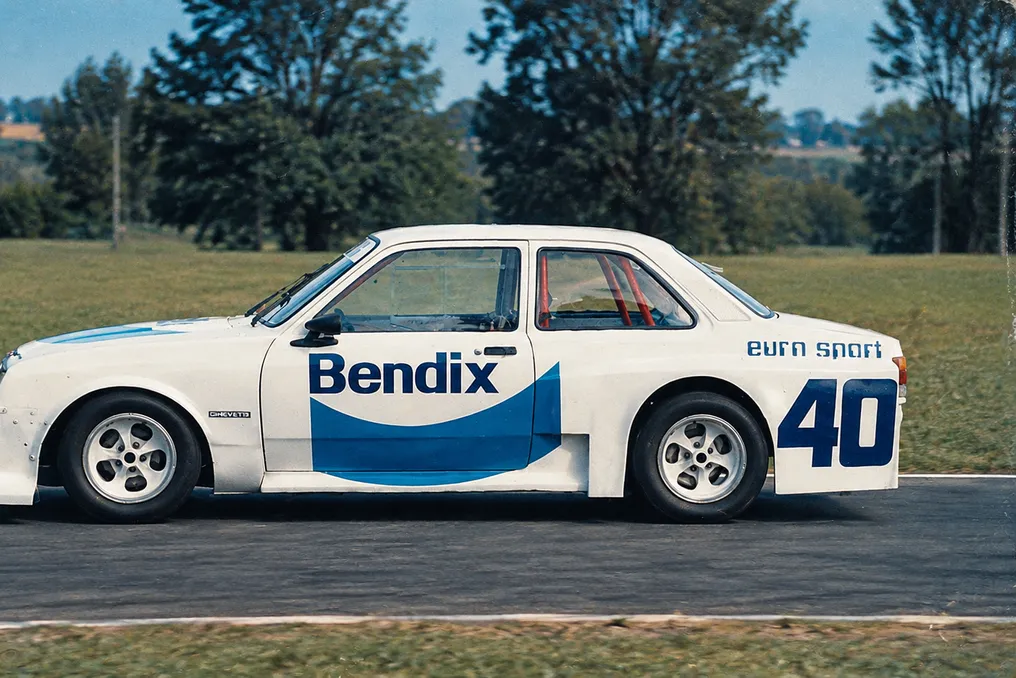
Although we today have access to more information and components that simplify the work, this does not diminish the merit of the old tuners, who had the charm of creating solutions that did not exist in the catalog. The Chepalett exemplifies this: a Chevette that integrated components from Opala and Kadett, in addition to parts from other Chevrolets.
The history of this project began in 1983, when a Chevette was prepared for the Brazilian Brands and Drivers Championship. The regulations allowed the use of the 'mixed-hot' engine, which consisted of a 1.6 Chevette engine with the Monza cylinder head. This was the engine used by the car driven by Fernando Rebellato, Roberto Azem, and José Ricardo Fiaminghi.
In 1986, the Chevette received a 2.0 GM Family II engine equipped with a turbocharger to compete in the Mil Milhas (One Hundred Thousand Miles), although the results were not extremely expressive despite the straight-line speed.
The ambition to improve the vehicle grew in 1987, when Rebellato and Fiaminghi, both General Motors engineers in Indaiatuba (SP), decided to use the Chevette for a more competitive project. They counted on the collaboration of GM colleagues and the support of EuroSport, a São Paulo workshop specialized in engine preparation and turbocharger installation.
The result was presented at the 1988 Mil Milhas. The car already attracted attention for its bodywork, which incorporated the complete front end of the Kadett, which was about 15 cm wider than the Chevette's, allowing for the use of larger wheels. An air vent was also created between the front fenders and the doors, with a finish so refined that the magazine Oficina Mecânica noted the similarity to an original factory model.
The fusion of Chevrolet was not limited to the bodywork. The engine was an eight-valve 2.0 Family II, mounted longitudinally, and it was a reinforced version, originally intended for export and used in the Pontiac Sunbird, with forged pistons and connecting rods and reinforced bearings. Using a Garrett T03 turbocharger, an intercooler in front of the radiator, and a Brosol 2E7 carburetor in a pressurized box, the estimated power reached 250 hp at 5,800 rpm, with about 35 kgfm of torque at 3,000 rpm. The turbo pressure in races was approximately 1 bar, potentially reaching peaks of 1.8 bar.
The gearbox was also taken from another model: it was the four-speed Clark from the six-cylinder Opala, chosen to withstand the high torque of the modified engine. Due to bore incompatibility, a flange had to be manufactured to join the two assemblies. The shift lever, however, remained the original Chevette one.
Besides the engine upgrade, there was the challenge of managing rearward force. The Chevette had a torque tube designed for about 15 kgfm, less than half of what the prepared engine delivered. The solution adopted was to replace the entire rear assembly with that of the six-cylinder Opala.
This choice also solved another vital point: the project used eight-inch wide alloy wheels, fitted with Pirelli P7 Corsa 225/55 R14 tires, identical to those used on Stock Car Opalas. The only detail was that the wheels had five bolt holes, while the original Chevette used four. With the Opala's rear axle, which already had five-hole hubs, this aspect was resolved.
At the front, the adaptation was more complex. Opala spindles, with their hubs and bearings, were used, while the original Chevette suspension arms were modified to accommodate the ball joints of the larger model. The steering box also needed to be adapted, combining elements from both vehicles.
Installing the Opala's rear axle demanded great effort due to the differences between the suspensions. The Opala used upper and lower arms and a Panhard rod, while the Chevette had a different mounting geometry. To accommodate the upper arms of the larger axle, the team developed specific supports for the rear floor, studying the anchoring points based on the drawings of both suspensions, and the first prototypes were made of cardboard to test movements before final production.
This process illustrates the spirit of the project: there was no marketable conversion kit. It was essential to deeply know both cars, understand the functioning of their suspensions, and manufacture a personalized solution to take advantage of the best of each, ensuring it was functional for long-distance racing.
The rest of the assembly received various components. Cofap shock absorbers, Axios suspension bushings, and Fabrini springs. Dana revised the rear axle and installed a locking differential, and the twin-piece driveshaft anticipated a solution similar to that used in the 1988 production Opala.
The preparation was not limited to mechanics. The fuel tank, with a capacity of 180 liters, was placed in the place of the rear seat, offering autonomy of about two hours with alcohol. The battery was relocated to the cabin, and the electrical system received a new and reinforced harness, with two ignition modules and two coils.
Upon finishing the car, the first challenge was at the 1988 Mil Milhas. During training, carburetion problems and pressurization hoses that came loose with heat and vibration arose. The transmission also presented difficulties: a gearbox failure almost prevented the start, and without a spare part, the team had to dismantle it and repair the damaged component with welding and manual adjustments. After the repair, Fernando Rebellato reported that the transmission emitted excessive noise, giving the impression that it would 'bite' the driver, but the team opted to proceed.
The Chevette finished the race in tenth place in the overall ranking, among more than 60 competitors. Although it was not an extraordinary result, it demonstrated the potential of the project. In 1989, a new participation ended prematurely due to a fire caused by fuel leakage in the Sergeant's braking area. The best performance was achieved in 1990, with new bodywork modifications, including the Kadett GS front end and fender changes.