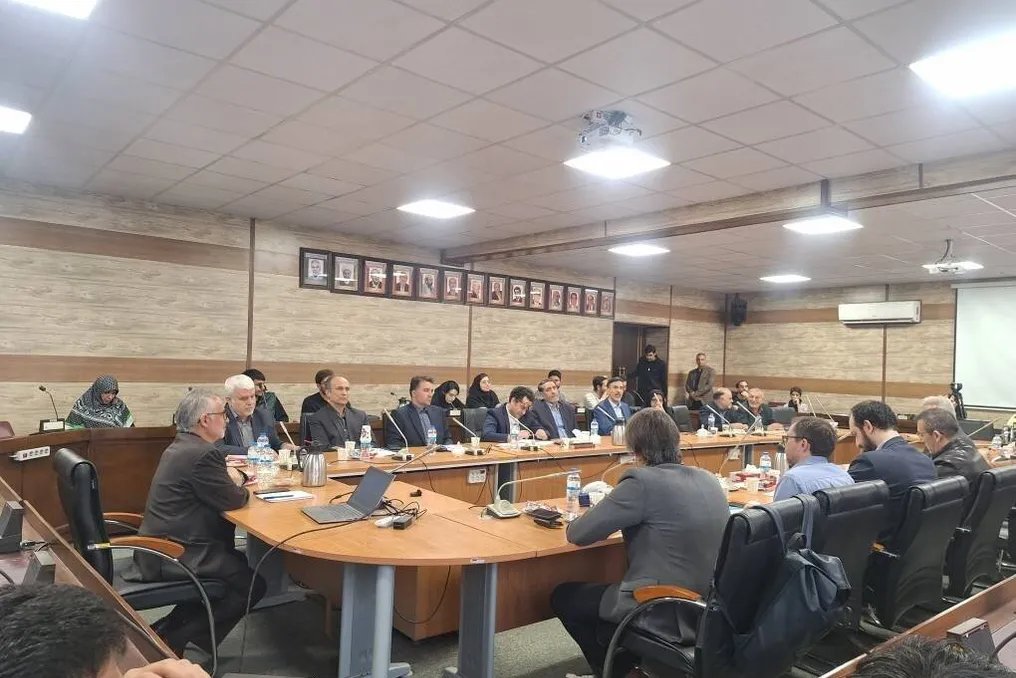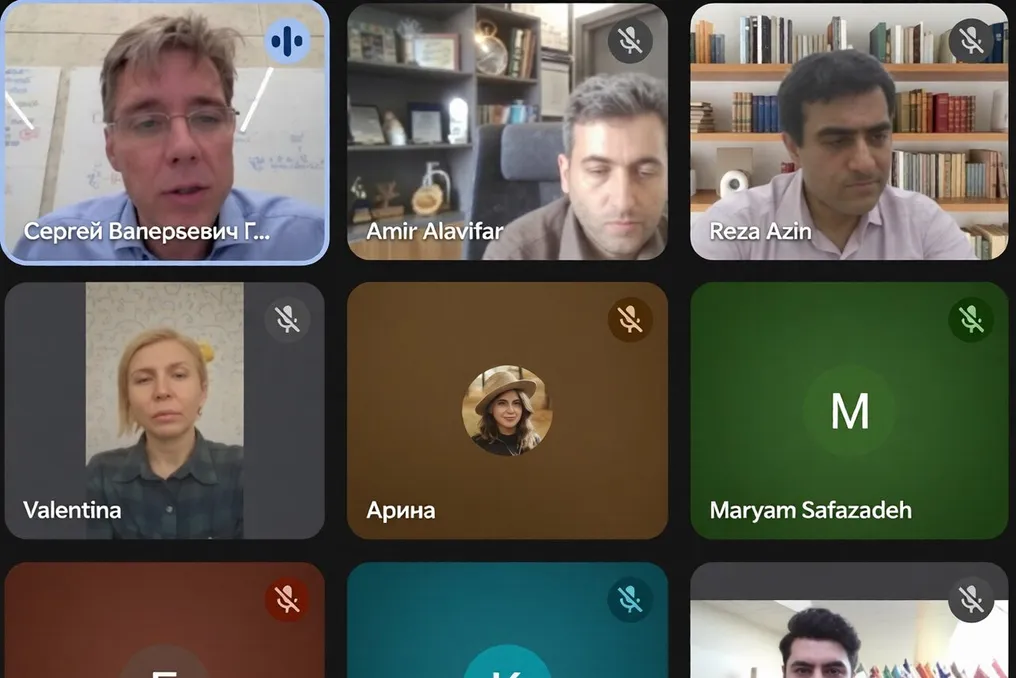
Representatives of educational institutions from Iran and Iraq held discussions aimed at expanding scientific cooperation and strengthening academic ties between the universities of the two countries.
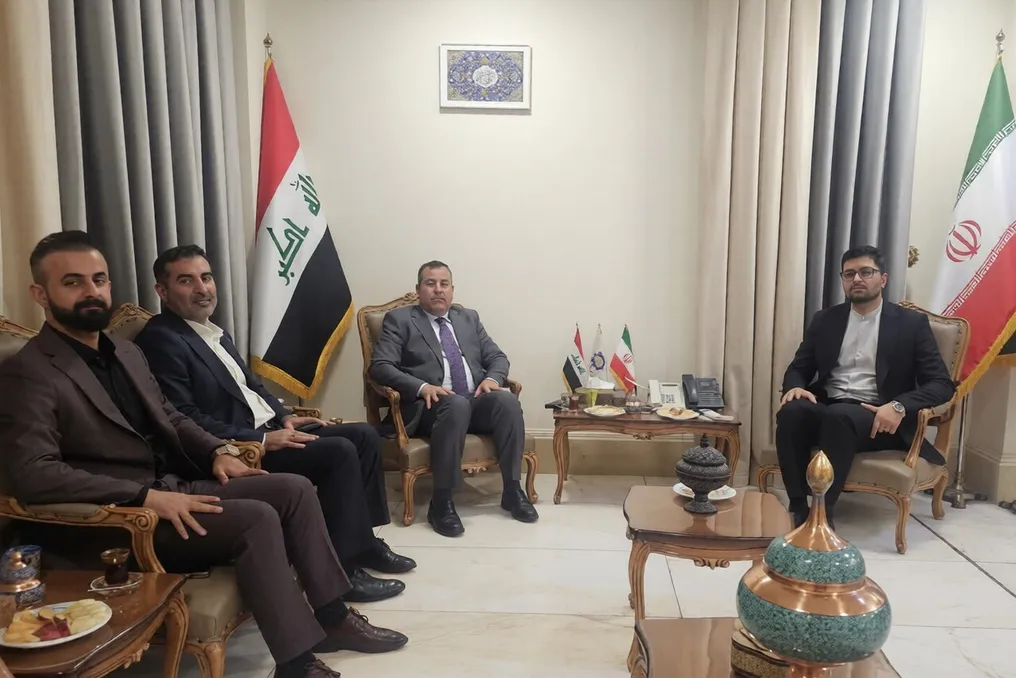
A meeting took place in Baghdad involving Mohammad-Javad Najafi, the Iranian scientific advisor in Iraq, and Jasim Fati Ali Al-Maadidi, President of the Northern Technical University of Iraq. The possibilities for broader interaction between the higher education institutions of both countries were discussed.
During the negotiations, the parties noted the potential to utilize the resources of each side to enhance joint scientific initiatives. Particular attention was paid to the need to activate cooperation between the Northern Technical University and Iranian universities, based on the educational needs and priorities of both sides.
The meeting outlined several areas, such as organizing joint training courses, exchanging faculty and students, conducting joint research projects, utilizing laboratories and research centers, as well as cooperating in new technologies and practical training.
Issues regarding the development of partnerships between growth centers, science and technology parks, and the use of Iranian university experience to establish links with industry were also discussed.
Iran and Iraq are preparing to implement a memorandum on mutual scholarships for students from both countries to expand educational interaction. According to this agreement, Iraq will provide 200 scholarships annually to Iranian students, while Iran will provide 100 scholarships to Iraqi students, as reported by the Iraqi ambassador to Tehran, Yasser Abdul-Zahra Al-Hajjaj.
Al-Hajjaj made these statements during a meeting with Said Khabiba, head of the Students' Affairs Organization, on November 2. He also highly praised the efforts of the Students' Affairs Organization in addressing the issues of Iraqi students studying in Iranian universities.
For his part, Khabiba emphasized the high academic status of Iranian higher education, which ranks 15th-16th globally. He specified that scholarships would be awarded to Iraqi students who achieved the highest results in secondary school certificate exams (for example, in mathematics and geometry for engineering specialties).
If the first year is successful, the number of scholarships is planned to increase in subsequent years, allowing selected students to study at leading Iranian universities. Khabiba also stressed the importance of knowing the Persian language for attracting foreign students, noting that Iraq could utilize the services of Iranian Persian language instructors to conduct courses and facilitate the stay of Iraqi students in Iranian educational institutions.
Regarding the problems faced by international students, including Iraqi ones, Khabiba announced that they must upload their documents by December 2nd to resolve current issues.
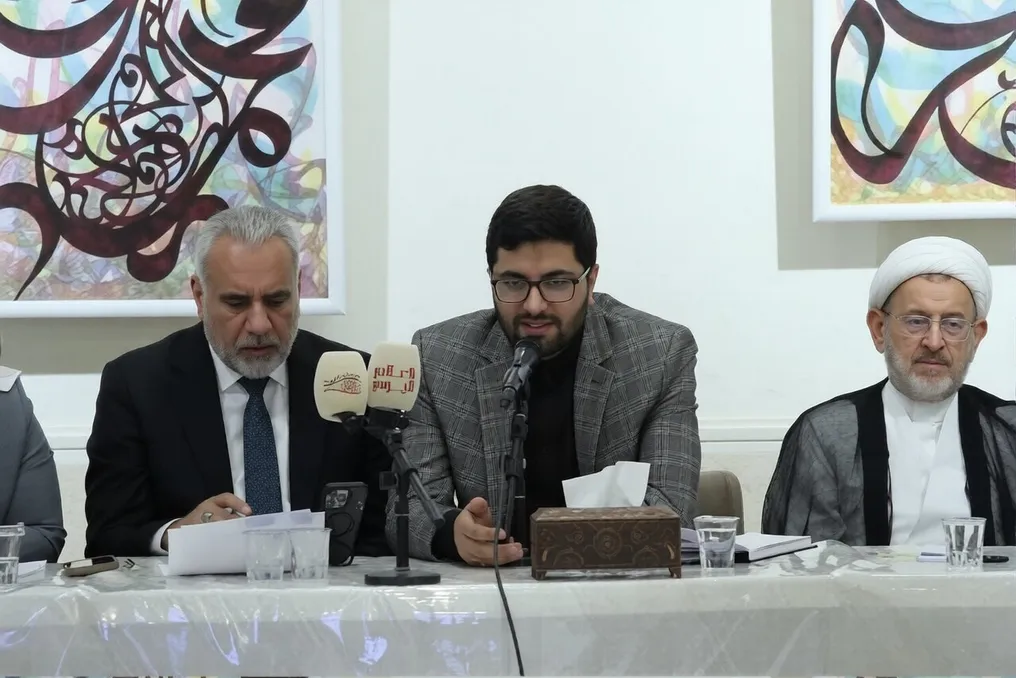
During an academic session titled 'Horizons of Scientific and Professional Development,' officials from Iran and Iraq discussed ways to strengthen scientific and academic cooperation, promote the exchange of specialized experience, and expand partnerships between universities and research institutes in both countries.
The event was organized by the Association of Graduates of Iranian Universities in Baghdad. Najafi, Salah Bushi, head of the Iraqi Center for Strategic Affairs, and a number of graduates of Iranian universities from Iraq were present at the meeting.
The session provided an opportunity to explore paths toward closer academic interaction and the exchange of scientific and professional experience. Speaking at the event, Najafi characterized Iraqi graduates from Iran as a valuable asset playing a key role in developing scientific and technological cooperation, creating joint research projects, and exchanging knowledge between the two states. He urged these graduates to maintain constant contact with their universities in Iran.
In turn, Bushi spoke about the significance of Iranian university graduates for Iraq's scientific and professional progress. He emphasized that the value of higher education lies in the ability to solve problems, increase organizational productivity, and serve society, noting that obtaining an academic degree is a starting point for developing competencies and acquiring professional skills.
Bushi also stated the necessity of using university scientific achievements in large research projects and highlighted the importance of increasing synergy between the higher education system, labor market demands, and national development priorities. Furthermore, Iraqi students shared their views, expressing concerns about postgraduate education and offering several suggestions.