Uzbekistan is refining the draft of a new Environmental Code to unify environmental protection legislation
Read more
UzDaily
uzdaily.uz

Uzbekistan is refining the draft of a new Environmental Code to unify environmental protection legislation

Uzbekistan continues work on the draft of a new Environmental Code. The goal of this document is to consolidate existing environmental legislation into a single legal framework, strengthen environmental protection mechanisms, and promote the rational use of natural resources.

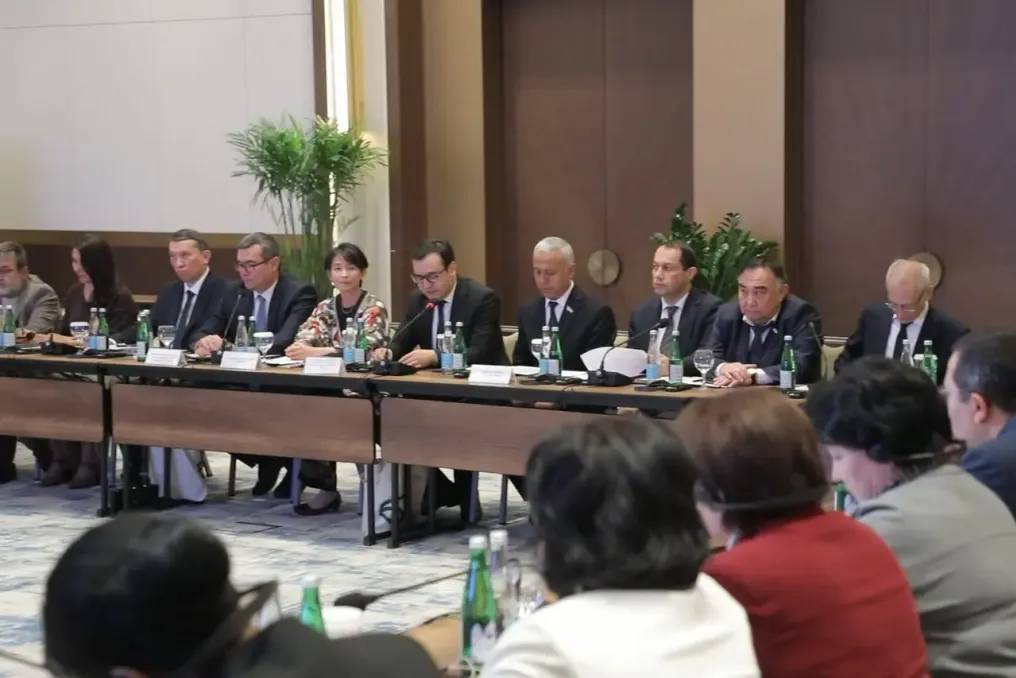
According to the commission, the project was discussed at a seminar organized by the National Committee on Ecology and Climate Change together with the United Nations Development Programme (UNDP).

Participants in the seminar included Iskandar Kutbiddinov, Deputy Chairman of the Ecology Committee; Akiko Fuji, UNDP representative in Uzbekistan; members of the Legislative Chamber of the Oliy Majlis; as well as representatives from the World Bank, the European Bank for Reconstruction and Development, the International Union for Conservation of Nature, the German Agency for International Cooperation (GIZ), the Global Institute for Green Growth, state bodies, and international organizations.

Speaking at the seminar, Kutbiddinov emphasized the need to take into account international experience and expert recommendations when preparing the Code. Fuji noted the close relationship between economic development and environmental protection.

The project provides for the consolidation of current environmental protection legislation, improvement of nature conservation measures, and the introduction of methods to ensure the rational use of natural wealth. Furthermore, the document aims to create a legal basis for fulfilling Uzbekistan's international environmental obligations and achieving sustainable development goals.

Seminar participants reviewed international approaches to biodiversity conservation, reducing negative impacts on natural ecosystems, compensating for environmental damage, and restoring natural territories. Representatives of international organizations presented their proposals and recommendations for improving this document.

According to the committee's report, almost all recommendations previously submitted by UNDP have already been incorporated into the draft Code. In the next stage, the document will be revised taking into account the comments and suggestions made by the seminar participants.

It is expected that the adoption of the new Environmental Code will strengthen Uzbekistan's environmental governance system in line with modern requirements, enhance the legal mechanisms for preserving natural resources, and ensure environmental protection for future generations.
Similar stories

Uzbekistan to change water tariff approval rules in 2027
Read more
uzdaily.uz

Uzbekistan to change water tariff approval rules in 2027

Starting January 1, 2027, Uzbekistan will transfer the authority for approving drinking water and sewage tariffs to the Interdepartmental Tariff Commission under the Cabinet of Ministers. This will replace separate regional price decisions with a unified system based on economically justified criteria.

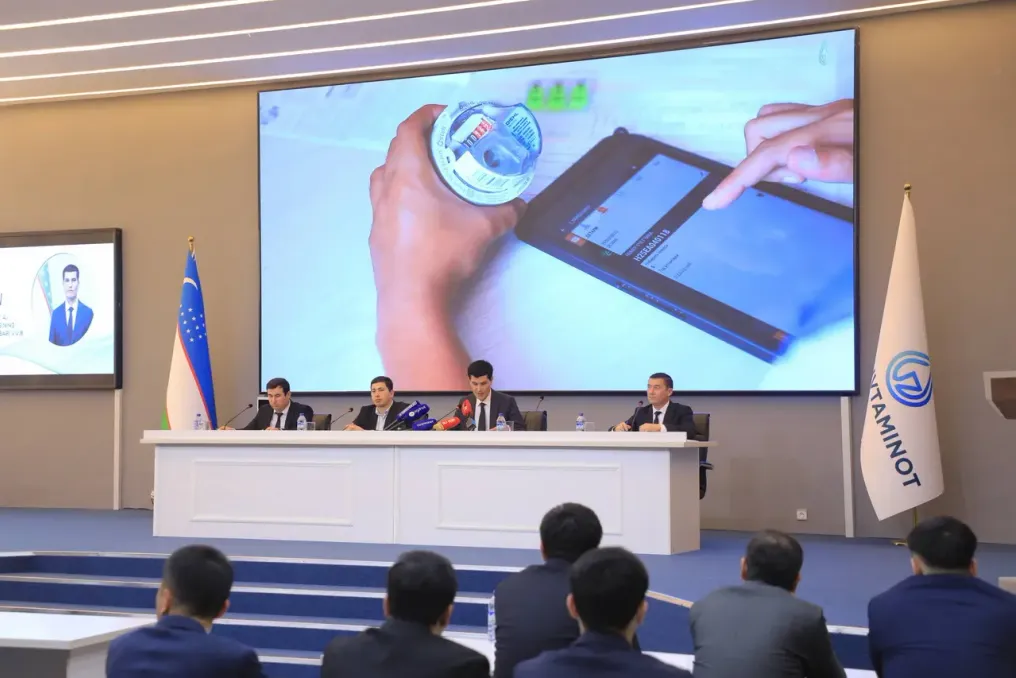
These changes were announced at a press conference attended by representatives of JSC "Uzsuvtimnot". The event also discussed the financial status of water supply companies, outstanding consumer debts, and planned reforms in the sector.

Another change is scheduled for April 1, 2027: authorities plan to introduce a single water tariff for state organizations.

Factors Affecting Service Costs

According to JSC "Uzsuvtimnot", the cost of providing water supply and sewage services depends on electricity prices, infrastructure maintenance costs, employee salaries, and debt servicing costs. The increase in electricity tariffs has become a significant factor affecting operating expenses.

The electricity tariff increased from 450 to 900 soms on October 1, 2023, then to 1,000 soms on May 1, 2025, and reached 1,100 soms on June 1, 2026. As a result, electricity costs have risen by 2.4 times over three years.

The average tariff for drinking water for households nationwide is currently 3,765 soms per cubic meter, or 4,217 soms including VAT. The average sewage tariff is 2,008 soms.

As of October 27, revised tariffs were approved for six water supply enterprises. In the Andijan region, the drinking water tariff increased from 1,650 to 2,500 soms per cubic meter, while in the Navoi region, the rate was raised from 3,500 to 4,200 soms. In the Samarkand region, the tariff increased from 2,800 to 3,600 soms per cubic meter. In the Surkhandarya region, the price rose from 5,300 to 6,800 soms, and in the Tashkent region, the tariff increased from 2,600 to 3,100 soms. The tariff for the main water supply enterprise Chimgan-Charvak was adjusted from 1,500 to 1,700 soms.

Consumer Debt Problem

Uzbekistan's water supply sector also faces a significant problem of unpaid consumer debts. According to JSC "Uzsuvtimnot", the total debt owed to enterprises in the system reached 542.6 billion soms as of October 1, 2026. Households are responsible for 430.7 billion soms of this amount, and legal entities for 111.8 billion soms.

The highest level of debt was recorded in Tashkent—92.9 billion soms. The Andijan region follows with 74.1 billion soms, while the Tashkent region had a debt of 61.6 billion soms, and the Fergana region had 57 billion soms.

To collect unpaid bills, water supply companies filed 167,783 applications with notary bodies and courts during 2026. Following their review, 114,305 enforcement acts were issued by notaries and court rulings. Of these, 110,563 enforcement documents were sent to the Enforcement Bureau.

New Payment Collection Mechanism

From 2027, Uzbekistan also plans to implement an updated mechanism for collecting debts related to water supply and sewage services. The procedure will depend on the size of the consumer's debt. Debts not exceeding 1,000 basic calculation units (BCU) will be collected through notarial procedures. Cases with debts above this threshold will be transferred to courts.

If a consumer fails to meet their payment obligations after an enforcement document is issued, legislation provides for the possibility of restricting electricity payments according to established procedures. However, this restriction does not apply to families included in the Unified Social Protection Register. Authorities clarified that restrictions will not be applied immediately upon the occurrence of the debt; consumers will be given time to settle their obligations according to the established order.

The planned reforms are linked to Presidential Decree No. UP-140 dated July 24, 2026, which defines measures to improve tariff regulation, strengthen the financial stability of water supply enterprises, and enhance service quality. The decree provides for shorter periods for tariff revisions when energy costs change, as well as greater transparency in pricing and advance notification to the public about tariff changes. It also provides for directing funds toward the repair and modernization of water supply systems. The transition to centralized tariff regulation should ensure uniformity in the criteria for approving water and sewage prices across Uzbekistan while improving the financial stability of companies in this sector.

Uzbekistan sets goal to reduce greenhouse gas emissions intensity by 50% by 2035
Read more
uzdaily.uz

Uzbekistan sets goal to reduce greenhouse gas emissions intensity by 50% by 2035

Uzbekistan will present its updated Nationally Determined Contribution (NDC 3.0) at the 31st Conference of the Parties to the UNFCCC (COP31). As part of this document, the country has set a goal to reduce greenhouse gas emissions per unit of GDP by 50% compared to 2010 levels by 2035.

According to the National Committee on Ecology and Climate Change of Uzbekistan, the conference will take place in Antalya, Turkey, from November 9 to 20.

At COP31, Uzbekistan will present its national strategies to achieve this goal. The main focus will be on developing green energy, increasing energy efficiency, implementing modern technologies, and strengthening the resilience of economic sectors to climate change.

One of Uzbekistan's key activities at the conference will be the discussion of climate migration and international cooperation. At a high-level event in the national pavilion, the impact of climate change on migration, the protection of vulnerable groups, and efforts to enhance regional climate resilience will be examined.

Organizers plan to adopt a declaration on climate migration from countries in Central Asia and the South Caucasus, which will be named the Silk Road Declaration. Furthermore, Uzbekistan will showcase initiatives under its nationwide 'Yashil Maqon' (Green Space) program and plans for creating forest plantations on the dried bed of the Aral Sea. Topics such as combating desertification, biodiversity conservation, and developing a circular economy will also be addressed.

The national pavilion will serve as a showcase for the country's achievements and prospective projects in climate action, environmental protection, and sustainable development. It will also be a platform for attracting new international partners and financial resources. The committee is preparing the pavilion's program and international meetings in cooperation with partner organizations.

According to the committee, participation in the conference will expand Uzbekistan's opportunities to obtain climate financing, develop joint projects, and strengthen environmental sustainability.

Popular