Mirziyoyev announced a sevenfold increase in Uzbekistan's healthcare funding
Read more
UzDaily
uzdaily.uz

Mirziyoyev announced a sevenfold increase in Uzbekistan's healthcare funding

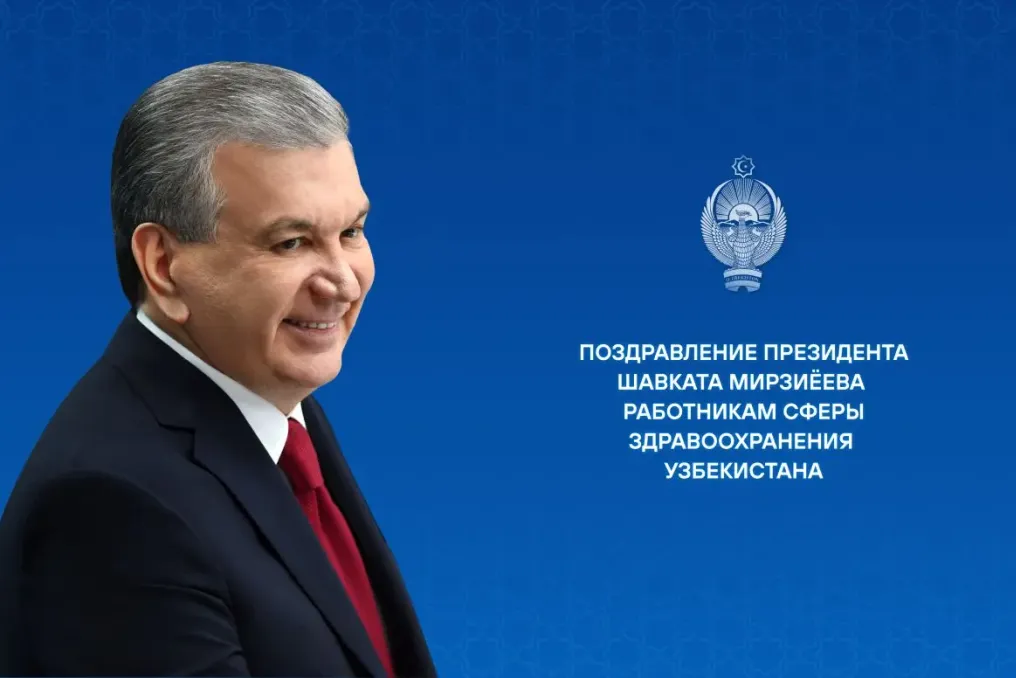
Uzbekistan President Shavkat Mirziyoyev reported that the country's healthcare system funding has increased sevenfold in recent years, reaching 49 trillion soums by 2026. These statements were made in a congratulatory message addressed to medical and pharmaceutical workers on the occasion of their professional holiday.

In his address, published on November 7, the president expressed gratitude to healthcare workers and industry veterans for their contribution to public health protection. Mirziyoyev noted that reforms under the slogan 'New Uzbekistan — New and Modern Medicine' are strengthening the technical and material base of medical institutions, improving staff qualifications, and introducing modern diagnostic and treatment methods.

A new primary healthcare model is gradually being implemented in all regions. The president also emphasized the creation of a national system for combating strokes and heart attacks, early detection of oncological and hematological diseases, as well as the expansion of palliative care.

Significant attention is being paid to the digitalization of medical services. Public polyclinics, hospitals, private medical centers, and pharmacies are being integrated into a unified digital network. Thanks to the DMED information system, electronic medical records have been created for more than 38 million people, and Electronic Polyclinic, Electronic Hospital, and Electronic Prescription systems have been launched.

Authorities plan to expand the capabilities of these platforms and use artificial intelligence to support doctors and nurses. Other areas of reform include implementing the 'money follows the patient' principle within the state medical insurance system, developing new financing mechanisms, and expanding the reimbursement program that provides certain medications to the population free of charge.

By the end of 2026, it is planned to establish medical insurance mechanisms in all regions to guarantee all citizens access to quality healthcare. Mirziyoyev stressed that the main goal of the reforms is to ensure timely access to quality treatment for every resident, regardless of their social status or place of residence.

Substantial changes are also occurring in medical education. Since 2017, admission quotas to medical universities have increased by 4.5 times, and 40 educational programs have received international accreditation. Whereas previously Uzbek medical universities accepted students from four countries, they now attract students from 41 countries, with the number of international students exceeding 15 thousand.

Starting in 2027, authorities intend to introduce a state system for registering medical and pharmaceutical workers in accordance with international standards. Furthermore, from the 2027/2028 academic year, medical specialists will study exclusively through residency programs.

The president also noted the growth of the private healthcare sector: over the past decade, the number of private clinics in the country has grown from 3,500 to over 9,000, and the number of approved categories of specialized medical services has increased from 50 to 213. The pharmaceutical industry is also developing: local producers manufacture over 6,800 types of medicines exported to more than 50 countries. Mirziyoyev highlighted the growth in production, exports, and investment in this industry.

As one of the key indicators of progress in healthcare, the president cited the increase in life expectancy in Uzbekistan from 73.8 to 75.4 years. Future priorities include raising the expected life expectancy to 78 years, as well as improving disease prevention, early diagnosis, and treatment. In conclusion, Mirziyoyev mentioned that a recent meeting with representatives of the medical sector was dedicated to further reforms and providing material and moral support to healthcare workers, wishing them health, well-being, and success in their professional activities.

Similar stories

Dividend payments in Uzbekistan have increased more than sixfold
Read more
uzdaily.uz

Dividend payments in Uzbekistan have increased more than sixfold

According to the National Agency for Prospective Projects, as of November 1, 2026, shareholders in Uzbekistan received over 7.8 trillion soums in dividends through the Central Securities Depository. This amount is more than six times higher than the figures for the same period last year.

The number of shareholders increased by 10.8% compared to the previous year, reaching over 1.122 million people. The vast majority of these are private individuals—1.056 million registered, which is more than 108,000 people more than at the beginning of the current year. The number of bondholders exceeded 4,000, an increase of 1.8 times.

The volume of corporate bond issuance exceeded 8.2 trillion soums by November 1, which is 2.6 times higher. Mortgage bonds totaling 200.9 billion soums appeared on the market for the first time. Additionally, five foreign currency bond issues totaling 100 million US dollars were registered.

Securities trading on the Tashkent Republican Stock Exchange for the first 10 months of 2026 amounted to 16.6 trillion soums. The number of transactions increased by 2.8 times, approaching 1.1 million. Corporate bond trading reached 6.1 trillion soums, more than eight times the previous level.

In investor protection, courts issued rulings during the reporting period obliging the return of 19.1 billion soums in dividends to investors. This amount doubled compared to last year. Of the 14 lawsuits filed, 13 were fully satisfied. Judicial decrees were issued in 67 out of 71 administrative cases, and over 200 mandatory instructions were sent to market participants.

In the licensing sector, five licenses were issued for investment intermediaries and two licenses for trust managers during the reporting period. Three notifications of activity for investment consultants were also processed. Ten licenses were revoked at the initiative of their owners, while one license was suspended for six months.

The agency received 358 complaints and appeals from investors in the first 10 months, compared to 585 such appeals for the same period last year. Of these, 249 came from private individuals and 109 from legal entities. A total of 348 appeals were reviewed, and 10 are still under consideration.

Uzbekistan's Accommodation and Public Catering Sector Grew by 11.3% in the First Half of 2026
Read more
uzdaily.uz

Uzbekistan's Accommodation and Public Catering Sector Grew by 11.3% in the First Half of 2026

According to data from the press service of the Ministry of Economy and Finance of Uzbekistan, the volume of services in the accommodation and public catering sector in the country reached 179.7 trillion UZS for the period from January to September 2026. This indicator demonstrates a growth of 11.3% compared to the same period last year.

The city of Tashkent became the leader in the volume of services provided, reaching 32.6 trillion UZS. It is followed by the Samarkand region with an indicator of 21.6 trillion UZS, and Namangan region ranked third with an amount of 17.8 trillion UZS.

It is noted that the Samarkand region demonstrated the fastest growth rate during the reporting period, increasing by 14.9%.

For 2026, the authorities set a goal to increase the total value of accommodation and public catering services across the country to 220 trillion UZS. By the end of September, 81.7% of the planned annual volume was achieved.

Portfolio of 35 medical projects worth $2.7 billion formed in Uzbekistan
Read more
sputniknews.uz

Portfolio of 35 medical projects worth $2.7 billion formed in Uzbekistan

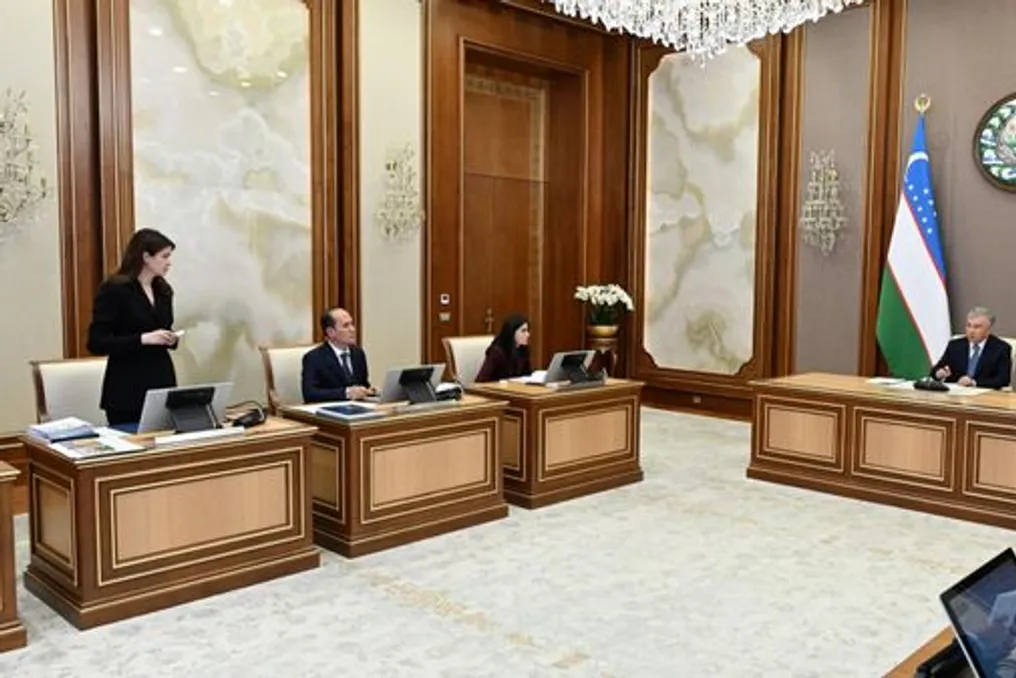
A portfolio of 35 investment projects in the healthcare sector with a total value of $2.7 billion has been formed in Uzbekistan. This was announced during a presentation on the development of medical infrastructure before President Shavkat Mirziyoyev.

These projects plan to include the construction of new specialized centers and multidisciplinary hospitals, as well as the modernization of existing medical institutions and personnel training.

Furthermore, the possibility of introducing medical educational programs in the city of Termiz is being considered.

In addition, proposals for nine other promising projects have been developed, totaling $1 billion. These projects cover the development of infrastructure in neurology and stroke, mental health and narcology, pediatric oncology and hematology, improvement of the emergency medical care system, and updating the ambulance fleet.

The presentation also discussed linking the attraction of investments in medicine to a unified master plan for the industry. In this regard, it was proposed to develop an investment strategy calculated until 2040.

According to this strategy, initially, current projects will undergo verification for relevance and feasibility. Then, projects that meet the needs of the regions' populations will be selected, and a unified investment portfolio will be formed.

Broader involvement of the private sector in the activities of medical institutions is planned. Starting from 2027, state medical institutions will be able to purchase certain medical and auxiliary services from private organizations. The goal is for the share of outsourcing in service procurement to reach 30 percent by 2030. To ensure process transparency, the electronic system 'Medical Outsourcing' is planned to be implemented. Professional management is also scheduled to be introduced in five large medical institutions by 2030.

Popular