World Media Summit Delegates Visit Beijing's Cultural Sites
Read more
UzDaily
uzdaily.uz

World Media Summit Delegates Visit Beijing's Cultural Sites

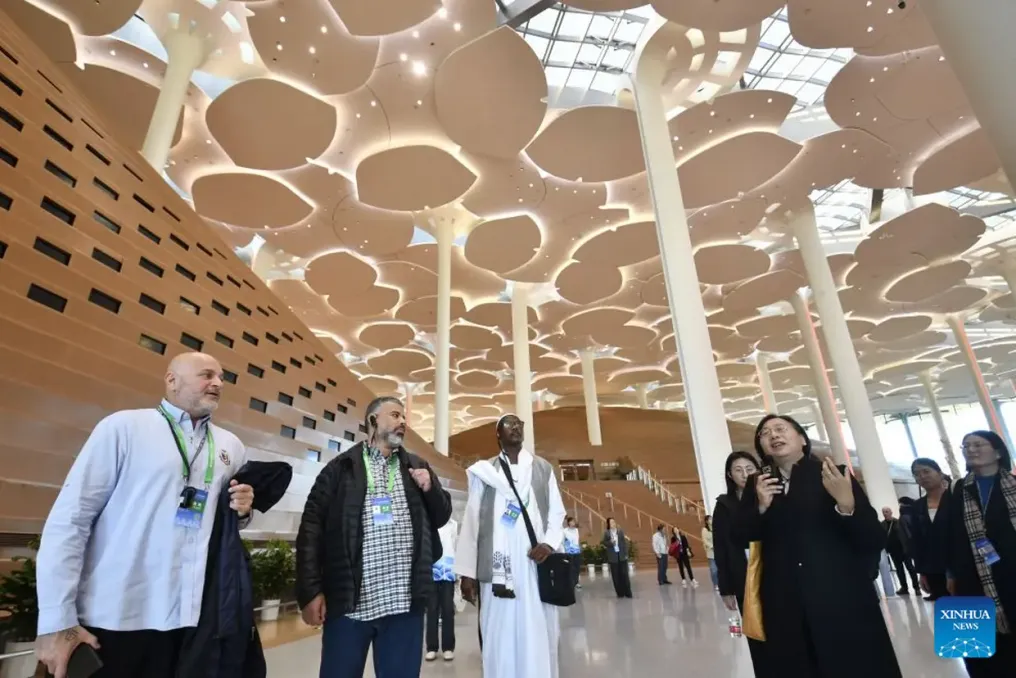
Participants of the seventh World Media Summit, held in Beijing from November 5 to 9, 2026, took an excursion to three significant cultural attractions in the Chinese capital: the 798 Art Zone, the Beijing Library, and the Grand Canal Museum.

This summit was jointly organized by Xinhua News Agency and the Municipal Government of Beijing. The event gathered about 500 delegates representing nearly 330 media organizations, think tanks, government agencies, and other structures. The main theme of the conference was 'Media in the Age of AI: From Consensus to Action.'

First Stop: 798 Art Zone

The first stop on the route was the 798 Art Zone, located in Beijing's Chaoyang District. This cultural cluster covers an area of approximately 300,000 square meters and is situated on the site of the former 718 joint venture complex, which specialized in electronics manufacturing. Industrial buildings designed in the Bauhaus architectural style now function as art galleries, studios, cafes, and designer shops. The zone hosts about 500 galleries, studios, and cultural venues; entry to the territory is free, although tickets or pre-registration may be required for individual exhibitions.

Visit to the Beijing Library

Next, the delegates visited the Beijing Library, also known as the 'Forest Library.' The building spans about 75,000 square meters and is constructed under a wide roof resembling ginkgo leaves. The library houses eight million books and can accommodate around 2,400 visitors simultaneously. The central area, equipped with terraces and bookshelves, is designed to allow readers to spend extended periods there.

Program Concludes at the Grand Canal Museum

The program concluded with a visit to the Grand Canal Museum, located in the Tongzhou District. The museum's permanent exhibition features over a thousand historical artifacts and works of art, divided into eight chronological sections. The museum complex covers approximately 99,700 square meters and includes a 270-meter-long water street. The exhibition explores the role of the Grand Canal in the development of Beijing, including the transportation of grain and goods, the movement of people, and cultural exchange. The waterway is presented not only as transport infrastructure but also as one of the factors that contributed to the city's development as a capital. Thus, the tour allowed delegates to familiarize themselves with various aspects of Beijing: from the transformation of a former industrial zone into a modern art center to the development of public infrastructure and the historical heritage of the Grand Canal.
Similar stories

Foreign Leaders to Participate in China International Import Expo in Shanghai
Read more
cgtn.com

Foreign Leaders to Participate in China International Import Expo in Shanghai

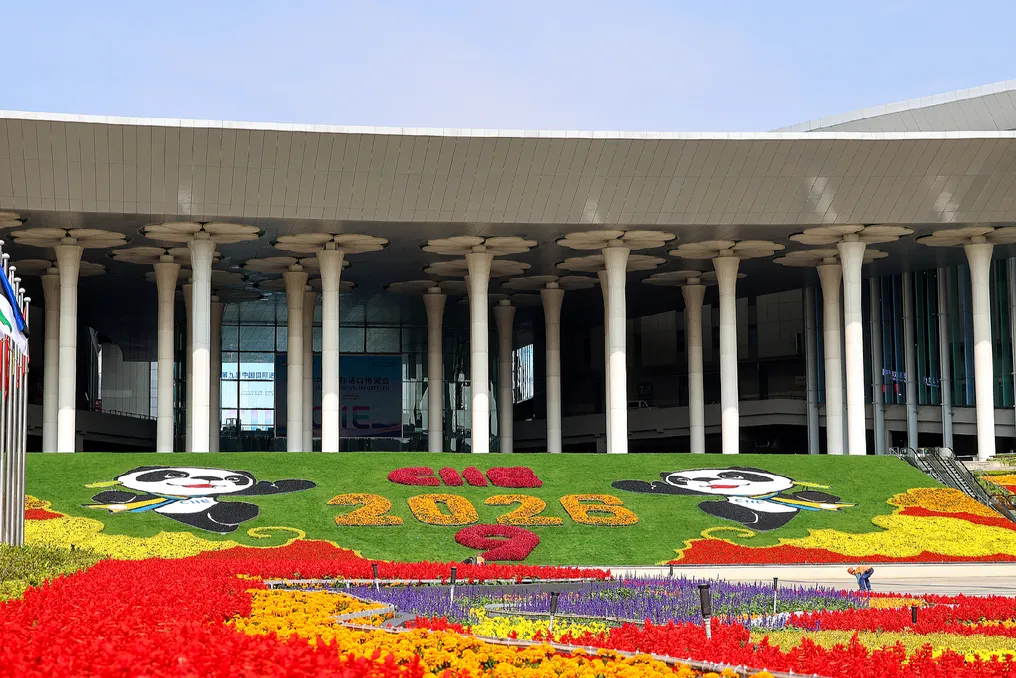
A representative of the Chinese Ministry of Foreign Affairs announced on Tuesday that a group of international leaders will travel to Shanghai to participate in the ninth China International Import Expo (CIIE), which will take place from November 5 to 10.

The list of invited participants includes Gabonese President Brice Clotaire Oligui Nguema, Austrian Chancellor Christian Stocker, Liberian Vice President Jeremiah Pan Kung, Cuban Deputy Prime Minister and Minister of Foreign Trade and Investment Oscar Perez-Oliva, Slovak Deputy Prime Minister and Minister of Economy Denis Slovak, as well as Georgian Deputy Prime Minister and Minister of Economy and Sustainable Development Mariam Kvirishvili.

The ministry representative clarified that these leaders will attend the opening ceremony and other events at the invitation of the Chinese government.

China holds UN exhibition dedicated to the 80th anniversary of the Tokyo Tribunal
Read more
cgtn.com

China holds UN exhibition dedicated to the 80th anniversary of the Tokyo Tribunal

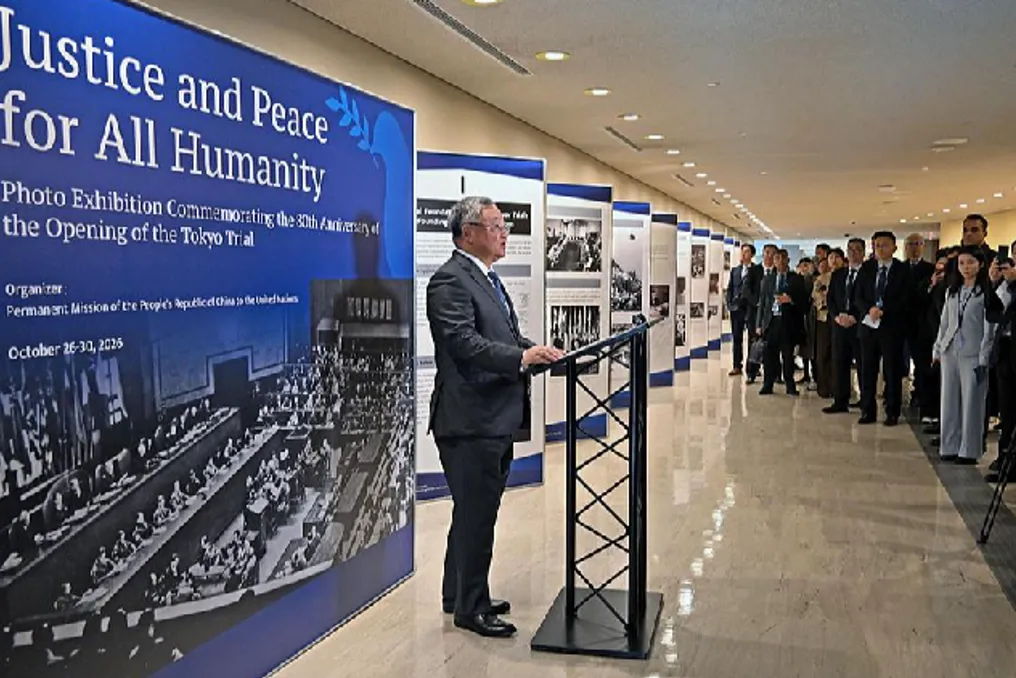
An exhibition marking the 80th anniversary of the start of the Tokyo Tribunal opened at the UN headquarters in New York on Monday. The exhibition, titled 'Justice and Peace for All Humanity,' features historical photographs, archival documents, and publications related to the investigation and prosecution of Japanese war crimes during World War II.

At the opening ceremony, Fu Cong, China's Permanent Representative to the United Nations, stated that the Tokyo Tribunal established the post-war world order, upholds justice and equality, and promotes international law. He emphasized that this is a landmark victory of peace over war, civilization over barbarism, and justice over evil, holding far-reaching political and historical significance.

Fu Cong added that the Tokyo Tribunal held Japanese militarism accountable. In his view, it is crucial for Japan to understand the essence of the tribunal, completely abandon militarism, and dedicate itself to peace forever. He expressed regret that ultra-right-wing forces in Japan continue to question the legitimacy of the Tokyo Tribunal under various pretexts and attempt to silence the history of Japanese aggression.

According to the Chinese representative, Japan is moving further away from the principles of the Tokyo Tribunal, deviating from its 'pacifist' charter: from venerating high-ranking war criminals to weakening export controls on weapons and abolishing the ban on collective self-defense. Fu concluded that history, if not forgotten, can serve as a guide for the future, and it is necessary to counter the rise of neo-militarism by jointly supporting the post-war order and international peace and security.

Also speaking at the ceremony were Ci Dahai, Director General of the Department of Treaties and Law of the Chinese Ministry of Foreign Affairs, Zhou Feng, curator of the Memorial Hall of Victims of the Nanjing Massacre by Japanese Invaders, as well as representatives from Russia and the Democratic People's Republic of Korea. Permanent representatives from Spain, Nicaragua, and other countries were present.

The speakers stressed the role of the Tokyo Tribunal in maintaining peace through the rule of law and holding Japan accountable for military aggression. They highlighted the need to learn lessons from the past, remember the suffering caused by the war, and work together to prevent the resurgence of militarism and aggression. The exhibition was organized by the Permanent Mission of China to the United Nations and is part of the UN International Law Week.

Popular