The Evolution of Video Game Dubbing in Brazil: From The Outlaws to Modern Titles like Cyberpunk 2077
Read more
Olhar Digital
olhardigital.com.br

The Evolution of Video Game Dubbing in Brazil: From The Outlaws to Modern Titles like Cyberpunk 2077

For a long period, hearing video game characters in Brazilian Portuguese was not common, as most games arrived in the country only in English or Japanese, creating a linguistic barrier for many players.

An initial milestone in this development was the release of The Outlaws by LucasArts in 1997, which received Brazilian Portuguese dubbing. At that time, full voice localization of games was still a rarely practiced procedure.

In the following decades, the situation began to change significantly, driven by the growth of the national market and the arrival of major productions fully adapted to the local language.

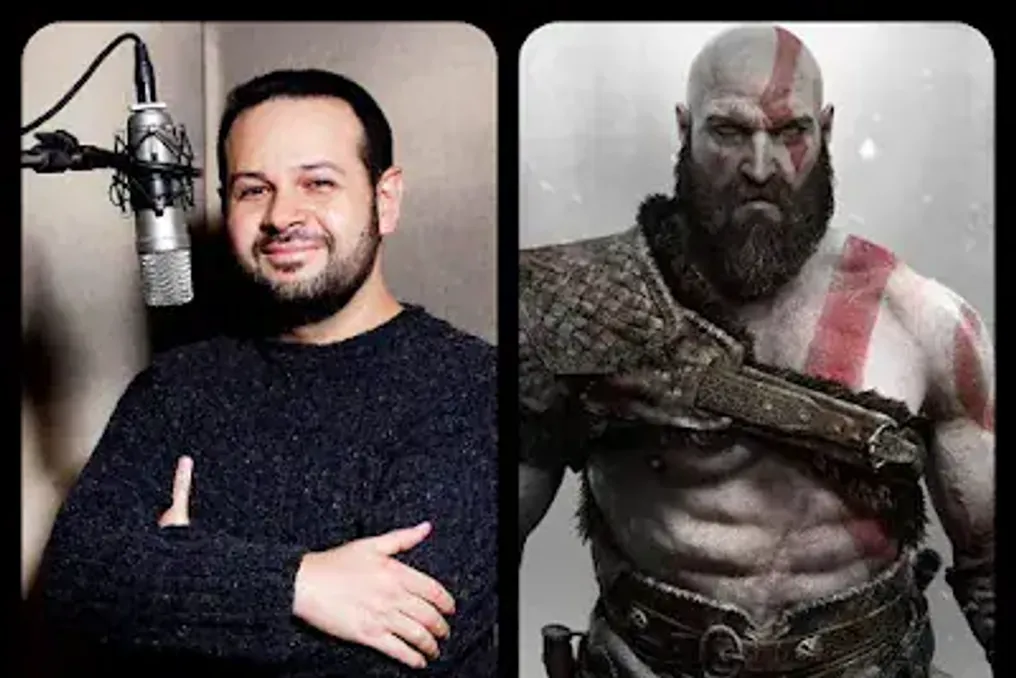
With the expansion of dubbing, various characters began to be recognized by the voices of Brazilian actors. In God of War, for example, Ricardo Juarez voiced Kratos starting from God of War: Ascension in 2013, and maintained the role in the 2018 title. In The Last of Us, Luiz Carlos Persy voiced Joel and Luiza Caspary voiced Ellie.

Other notable examples include Sérgio Moreno as Geralt in The Witcher 3, Tatiane Keplmair as Aloy in Horizon Zero Dawn, and Wendel Bezerra as Markus in Detroit: Become Human.

In more recent releases, such as Cyberpunk 2077, the Brazilian adaptation began to cover longer narratives, featuring numerous dialogues and characters.

The dubbing process encompasses translation, script adaptation, direction, and performance. This work is more complex than in films because actors do not always have access to the complete scenes as reference material.

Besides providing immersion, dubbing increases linguistic accessibility, allowing players to follow the stories without solely depending on subtitles or knowledge of other languages. The evolution, from The Outlaws to contemporary major RPGs, demonstrates how Brazilian Portuguese has consolidated itself as an essential element in the gaming experience.

Similar stories

Otherside Tapes: Favela Game Review — Brazilian Atmosphere Scares More Than Monsters
Read more
olhardigital.com.br

Otherside Tapes: Favela Game Review — Brazilian Atmosphere Scares More Than Monsters

Pulsatrix Studios, the developer of Fobia: St. Dinfna Hotel and A.I.L.A., released the first episode of the Otherside Tapes anthology on PC on October 22, 2026. This episode transports horror to an environment rarely explored by the genre: a Carioca favela dated 2006. After playing Otherside Tapes: Favela for five hours in standard mode, the author of the text emphasizes that the setting is scarier than any creature.

The player takes on the role of Cláudio da Silva, a content creator focused on urban legends. He enters the Favela das Almas, located behind Rua 7, a place marked by reports of disappearances and associated with a previous fire that devastated the community. The entire narrative is presented through the protagonist's camera, using found footage aesthetics, characterized by grainy VHS images. The investigation quickly evolves into a cycle of distorted realities, offering rituals, and supernatural appearances.

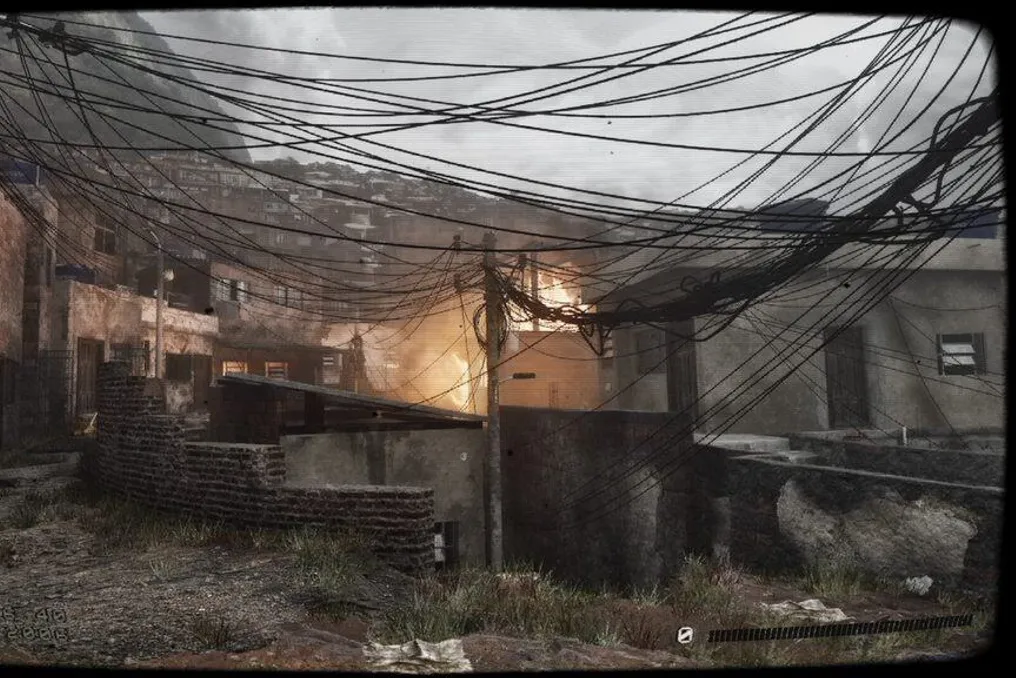
The aesthetic construction of the favela was praised, highlighting narrow alleys, exposed wiring, artisanal commercial signs, and clay filters, suggesting a deep knowledge of the local reality. Although the map is small, it conveys the perfect atmosphere. The graphics are considered good, with well-detailed environments, characters, and objects, and performance was satisfactory even with all settings on maximum.

The Portuguese voice acting received praise, as did the performance, making Cláudio sound like a Brazilian YouTuber from the 2000s. Furthermore, while walking through the houses, one can hear groans of people trapped inside. The only negative point mentioned was the jumpscare sound, described as loud, repetitive, and needing more variation.

The game integrates multiple layers of the same favela, and the transition between them occurs via pendulum clocks. Actions performed in one layer persist in the others; for example, a door left open in one reality remains open in the others. This interconnection enriches the level design, allowing players to revisit locations without getting lost. The puzzles are rated as medium difficulty in standard mode, being well-guided, although the author felt a lack of more enigmas.

The title offers more than one ending. Although the author tried to solve puzzles leading to ending A, he ended up following a path that culminated in ending B. An absent aspect was a functional computer, despite there being power in the location, which could have been used to deepen the puzzles or the story.

The most impactful element is the location itself. The corridors are narrow and dark, and in some residences, motionless people can be seen through the windows while the television is on. The antagonists are human figures with waxy appearances, empty eyes, and crooked smiles. They remain standing and watching, and in the darker layers, they begin to chase the player when he is not looking directly at them. The camera offers night vision and flash features, both dependent on battery.

In the first hour, especially after changing layers, the game establishes tense and effective horror with jumpscares. However, this effect diminishes over time, as the monsters tend to remain in predictable positions. The combat mechanic also becomes tiring. The camera flash, which stuns enemies, has a considerable recharge time, and the battery is scarce. There was an incident where a monster appeared very close to the player, and the game showed flaws in handling such situations in confined spaces, such as in the house with a water leak, where the attack was almost inevitable.

The narrative could be more robust and well-developed. The context of the pole (the main enemy) was unclear, as was the origin of this universe. The author expected more realistic critiques about life in the favela, such as violence, abandonment, and inequality, even within the supernatural context; however, the story does not address these themes. Furthermore, the way the story is told lacks creativity, as much of the content is conveyed through documents, which became tedious.

With a listed price of R$ 33.99 on Steam, the game is considered short, given that the author took five hours to complete it by exploring minutely, while Pulsatrix estimates about two hours. For those who wish to experience the Brazilian culture and daily life portrayed in a horror game, support national production, and enjoy puzzles, the experience is worthwhile, especially due to the alternative ending that encourages new playthroughs. However, players seeking a deep plot or constant scares may feel frustrated, as the Favela das Almas itself is the strongest element of the game.
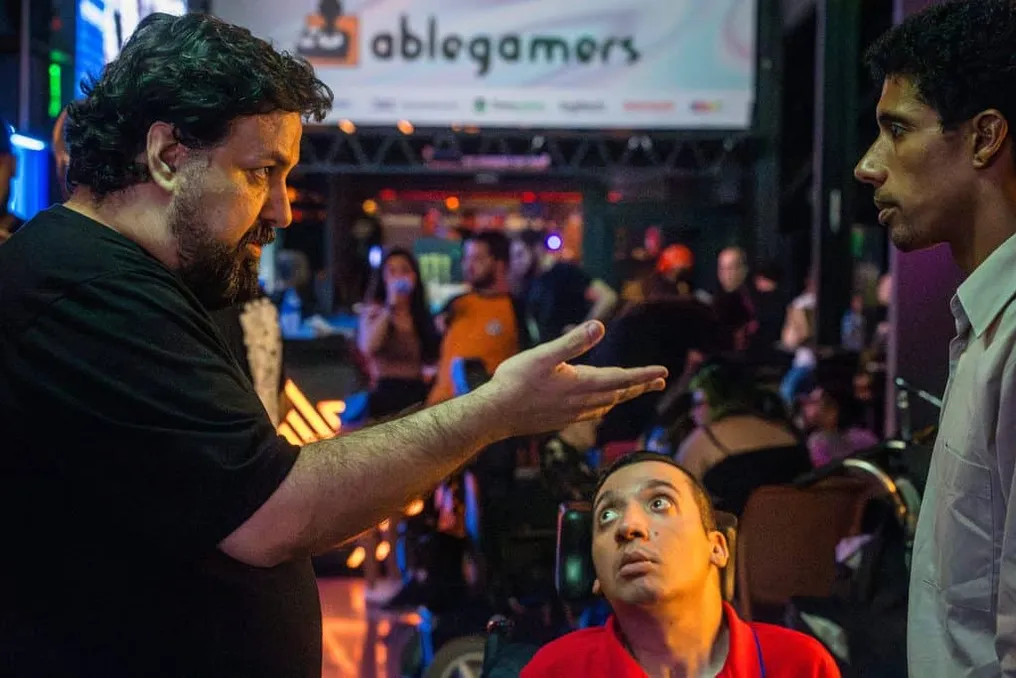
AbleGamers Brazil celebrates 10th edition, highlighting over 200 adapted controllers distributed in five years
Read more
olhardigital.com.br

AbleGamers Brazil celebrates 10th edition, highlighting over 200 adapted controllers distributed in five years

AbleGamers Brazil, a non-governmental organization focused on the inclusion and accessibility of individuals with disabilities through video games, held its tenth annual event on September 26, 2026. Throughout its journey, the NGO has managed to donate over 200 adapted controllers, with 82 of them distributed only in 2025, impacting thousands of people.

The origin of AbleGamers dates back more than twenty years in the United States, when a group of friends maintained contact by playing online weekly, despite geographical distances. The turning point occurred when Stephanie Walker's condition, diagnosed with multiple sclerosis, worsened, preventing her from playing. This event made everyone realize the scarcity of accessibility in the electronic gaming universe and the great potential of this medium to connect people.

Thus, AbleGamers was established in 2004 by Stephanie and Mark Barlet. In Brazil, the beginning was more modest and disorganized. Two friends, Christian Bernauer and Eduardo Rocha, started the movement by broadcasting live to raise funds, which led to the first event called AbleGamersBR in 2017.

Although initial and lacking infrastructure, the event was successful and marked the beginning of a long journey. The organizers decided to make the event annual, and this initiative continued until the official founding of AbleGamers Brazil on September 28, 2021. It became the first NGO in the country dedicated to people with disabilities in video games, and so far, the only known one.

The importance of video games transcends mere entertainment. Although some may consider electronic games as superficial fun, they function as a gateway to the world, uniting people with and without disabilities. They enable users to achieve feats that would be impossible in real life, whether piloting spaceships or performing daily tasks such as riding a bicycle or washing a car.

Electronic games act in breaking down barriers and combating prejudice, allowing people with disabilities to feel equal to others in the virtual environment. This inclusion is the focus of the NGO's work, which extends beyond the digital environment. Since 2022, AbleGamers has participated in in-person events, offering accessibility to visitors at fairs such as BIG Festival, gamescom latam, CCXP, and Brasil Game Show.

Specifically between October 9 and 12, 2026, accessibility was provided to people with disabilities who attended the stands of Nintendo, SEGA, and Devolver Digital at the Brasil Game Show. In addition to adapted controllers, audio description was provided to include visually impaired people in the experience.

To consolidate this journey, Fabrício “SDW” Ferreira, one of the founders of AbleGamers Brazil, traveled to Brasília on October 14, 2026, to witness the signing of the decree regulating the Legal Framework for Electronic Games. Decree No. 13.138/2026, named “Desenvolve Gamers Brasil,” implements Law No. 14.852/2024, recognizing electronic games as cultural products and interactive audiovisual works, which opens doors to funding lines such as the Rouanet Law and the Audiovisual Sector Fund. One of the central points of this decree is the integration of games into public policies for health, education, and accessibility.

Fabrício, who has Spinal Muscular Atrophy (SMA) type 2, shared his experience, reporting how video games significantly improved his life, facilitating the creation of friendships and opening personal and professional paths. For him, video games ceased to be just part of his life to become a major improvement factor.

The mission of AbleGamers Brazil is to promote the social inclusion of people with disabilities through video games, fostering a more welcoming society and building solid communities through shared experiences.

Christian Bernauer, founder and president-director, reinforces that the NGO seeks to continue being widely known.

Popular