Creation of 332 hectares of intensive fruit orchards planned in Namangan region
Read more
UzDaily
uzdaily.uz

Creation of 332 hectares of intensive fruit orchards planned in Namangan region

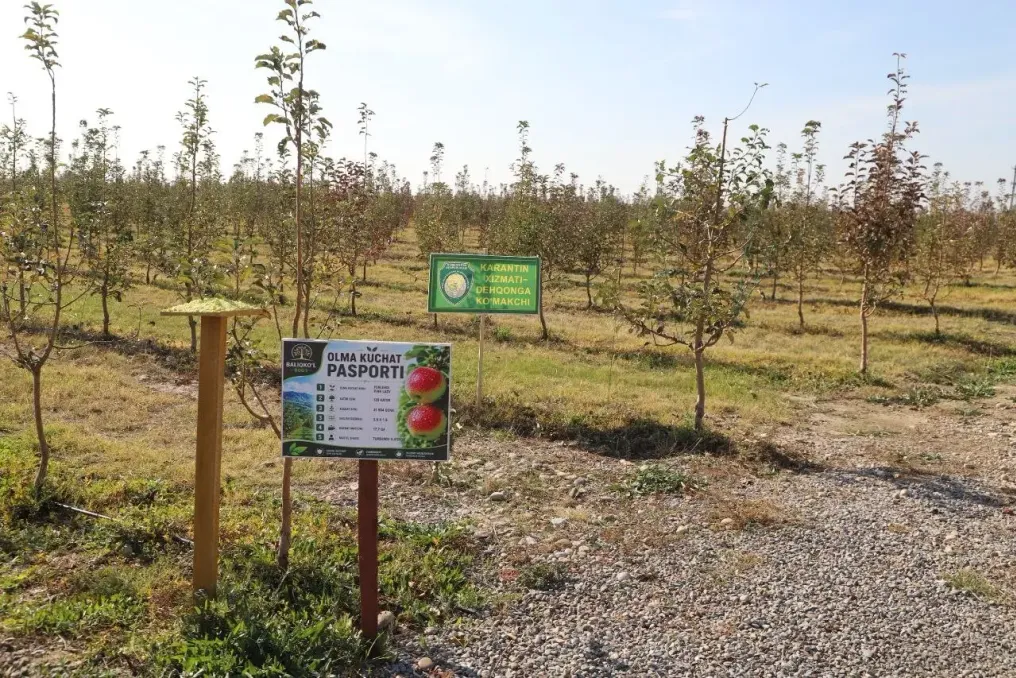
In the autumn period of 2026, 332 hectares of commercial intensive fruit orchards are planned for creation in the Yangikorgan district of the Namangan region. This work will be carried out by sixteen entrepreneurs based on Presidential Decree No. UP-108.

According to the approved plans, 200 hectares of new orchards will replace old plantations, while the remaining 132 hectares will be created by reducing the areas allocated for grain crops.

Overview of Project Implementation Progress

The Governor of the Namangan region, Shavkatjon Abdurazzakov, inspected the progress of these projects in the district. Specifically, he visited the farm of Kodir Pulatov, which is located in the Toichi Nematov Bekobod agrocompany, where an intensive orchard is being established on a 10-hectare plot.

The Governor also inspected a 200-hectare plot allocated to Sura General Investments in the Poromon Shokhrukhmirzo district, where fencing installation work is currently underway.

Another project involves the company Namangan-agro star, for which the Yangikorgan district has been designated as the base territory. This company leased 100 hectares of land belonging to the Scientific and Experimental Station of the M. Mirzaev Institute of Horticulture, Viticulture, and Winemaking, located in the Bulakboshi mahalla.

This plot is intended for intensive planting of plums of the Black Splendor and Stanley black varieties using drip irrigation. The project also includes the construction of an agro-complex for processing, sorting, and storing the harvest before export.

The district already has experience in intensive horticulture: Namangan Sharbaty established a 68-hectare orchard in the Bogiston mahalla, where Fuji, Pink Lady, and Golden apple varieties are grown. This year, this orchard produced 100 tons of apples, which were exported and sent for processing.

After visiting the sites, the regional governor provided recommendations to the responsible persons for implementing these projects. The main goals include increasing the efficiency of agricultural land use and developing the production of goods with higher added value.

Similar stories

Namangan Region of Uzbekistan explores agricultural cooperation opportunities with Italian group BF Group
Read more
uzdaily.uz

Namangan Region of Uzbekistan explores agricultural cooperation opportunities with Italian group BF Group

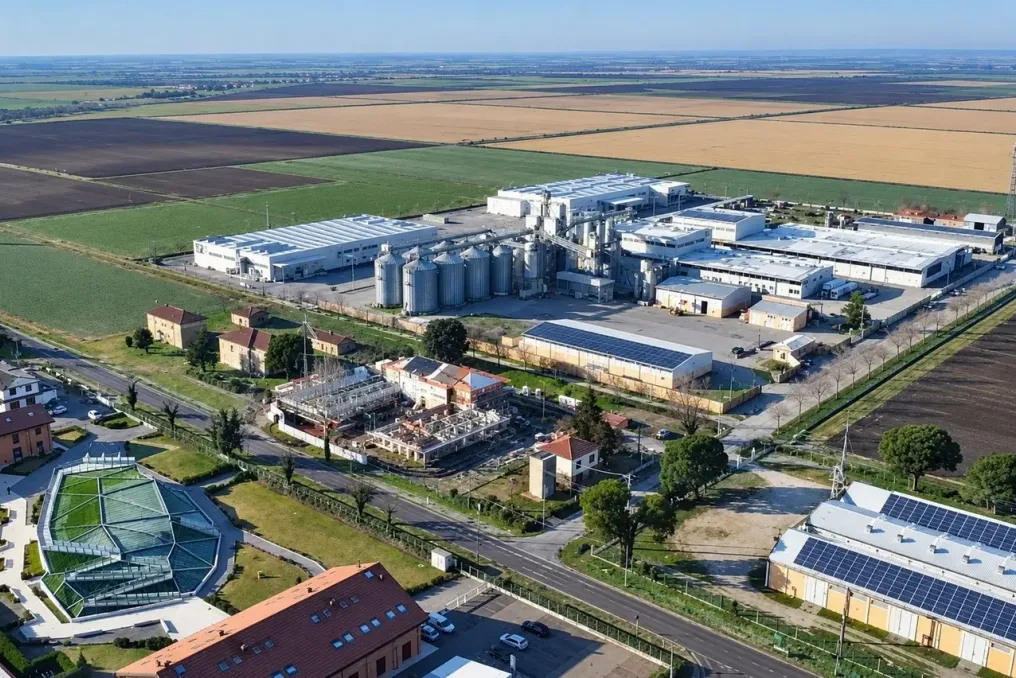
A delegation from the Namangan Region of Uzbekistan, led by Governor Shavkatjon Abdurazzakov, visited the Italian company Bonifiche Ferraresi, which is part of the agro-industrial group BF Group, as part of a working trip to Italy.

Bonifiche Ferraresi was initially founded to drain swamps in the Ferrara area to prepare land for agricultural use. Over time, it has evolved into a component of a large agro-industrial group engaged in modern agriculture.

During the negotiations, representatives from the Namangan Region and Bonifiche Ferraresi discussed the potential for creating modern agro-industrial complexes in the region and implementing joint investment projects.

Areas considered included the cultivation and processing of agricultural products, the development of high-yield seed production, the introduction of precision farming technologies, and training local specialists. The meeting focused on the possibilities of applying Italian experience and technology to develop the agricultural sector of the Namangan Region.

Namangan signs agreement with Italian company on fruit processing
Read more
uzdaily.uz

Namangan signs agreement with Italian company on fruit processing

The Namangan region in Uzbekistan signed an investment agreement with the Italian company Vinarija Marko and the local enterprise Siberian Wellness-Namangan. The project aims to create facilities for processing and packaging grapes and other fruits for subsequent export.

The signing of the agreement took place after negotiations during the visit of a delegation from the Namangan region to Italy. The delegation was headed by the region's governor Shavkatjon Abdurazzokov, and it also included representatives of relevant state bodies and business leaders.

This project involves establishing production facilities for processing and packaging grapes and other fruits intended for supply to international markets. The enterprise Siberian Wellness-Namangan was established in the Namangan region for the cultivation and processing of agricultural products.

According to the press service of the regional administration, the visit is aimed at expanding Namangan's network of international partners and attracting additional foreign capital to the region. Currently, the delegation's visit to Italy is ongoing. More detailed information about the project, including the estimated investment volume and implementation timelines, has not yet been disclosed.

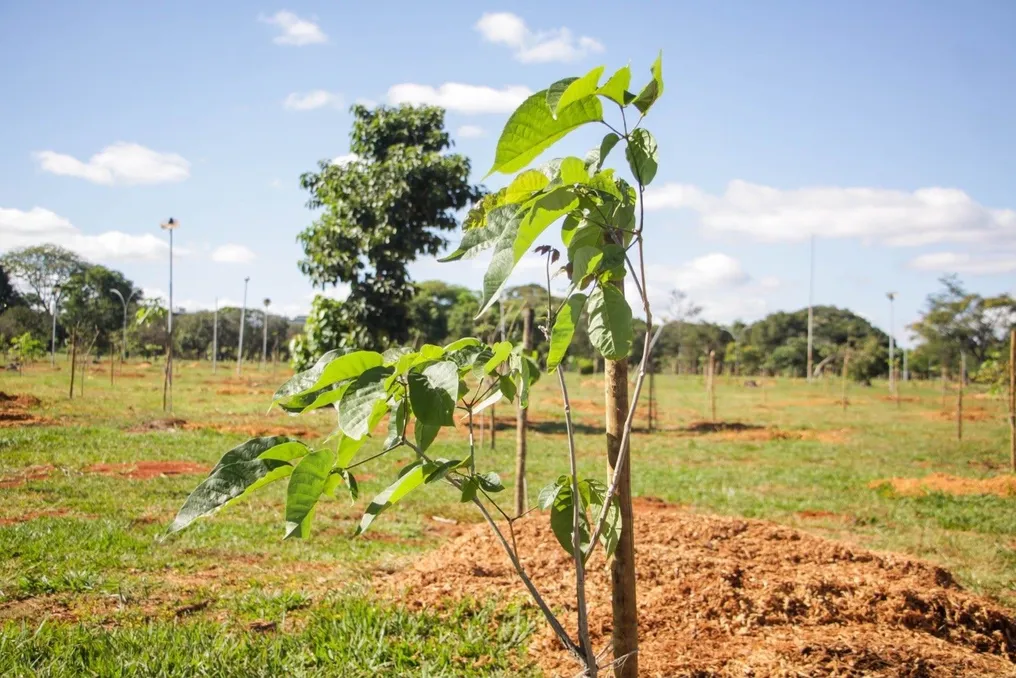
Macaé surpasses 3,6 thousand trees planted in 2026 and advances in afforestation projects
Read more
g1.globo.com

Macaé surpasses 3,6 thousand trees planted in 2026 and advances in afforestation projects

The municipality of Macaé has registered the planting of 3,660 new trees in avenues, squares, and public gathering areas since the beginning of 2026. This volume corresponds to an average daily rate of approximately 13 new specimens added to the urban network throughout the year.

To illustrate the scale of this progress, if these new trees were arranged in a continuous line, maintaining the technical spacing of eight meters between trunks, they would cover an extension close to 30 kilometers, which is equivalent to the distance between the city and the neighboring municipality of Rio das Ostras.

The progress of these activities is being monitored in real time through Arvômetro, a public transparency digital panel implemented by the municipal administration in September. When this tool was launched, the city had already counted 3,172 plantings carried out between January and August. In just over a month, the counter added another 488 seedlings, placing Macaé ahead of other larger population cities in Rio de Janeiro state during the same period.

According to the Secretariat of Environment, Sustainability, and Climate, the selection of seedlings follows the local Afforestation Manual, giving preference to native species or those adapted to the region's coastal climate.

Among the various varieties planted in the urban environment are yellow ipe, pau-mulato, jerivá palm, pau-formiga, pau-ferro, aroeira-salsa, jacaranda, extremosa, and embaúba. The responsible department emphasizes that expanding vegetation coverage is a fundamental strategy for public health and resilience against global climate change, as it helps reduce the sensation of heat, combat heat islands, and increase shade in public spaces.

In addition to afforestation on sidewalks and central planters, the municipality is investing in the creation of urban microforests—which are vegetative clusters based on rapid reforestation methods to accelerate water absorption in the soil and create more pleasant microclimates in densely populated neighborhoods—as well as promoting environmental recovery fronts in degraded areas.

Thanks to this set of actions, Macaé received, for the first time in 2026, the international Tree Cities of the World seal. This certification is granted by the Arbor Day Foundation, in collaboration with the Food and Agriculture Organization of the United Nations (FAO), recognizing cities that have continuous policies for forest management and expansion in urban areas.

So that the population can monitor the evolution of goals, view detailed data, and locate plantings in real time through a mobile device, the Arvômetro panel remains available for public consultation at the address macae.rj.gov.br/arvometro.

Popular