Delhi authorities shift education online due to high air pollution levels
Read more
Noticias ao Minuto
noticiasaominuto.com

Delhi authorities shift education online due to high air pollution levels

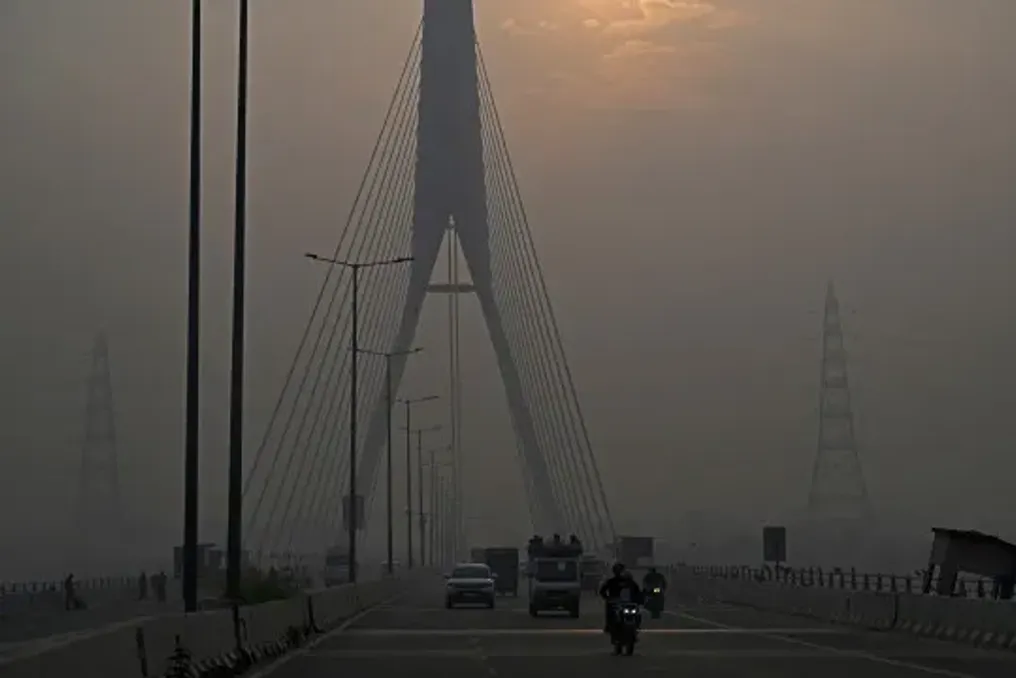
Authorities in Delhi decided to conduct all classes in schools within the capital region online up to the fifth grade after the city recorded high pollution levels, and the situation is expected to worsen in the coming days.

The Ministry of Education of the Indian state of Delhi issued an order requiring public and private educational institutions to take measures to reduce the impact of toxic smog on children.

The Central Pollution Control Board (CPCB) reported that the overall Air Quality Index (AQI) reached 364 today, while stations such as IIT Delhi in the central district recorded critical peaks exceeding 400 points.

According to the monitoring portal AQI.in, the concentration of PM2.5 particles over the last 24 hours—the smallest particles capable of entering the bloodstream—is estimated to be equivalent to smoking 13 cigarettes daily.

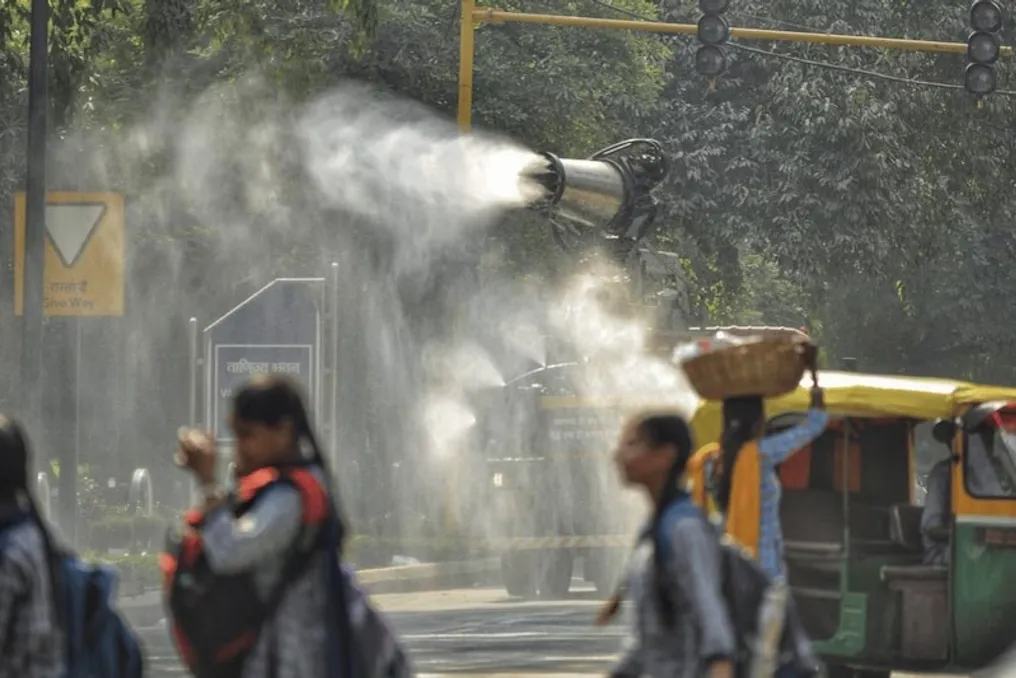
On Friday, the Delhi government activated Phase 3 of the Graded Response Action Plan (GRAP III), which mandates the suspension of minor construction work and restricts traffic from the most polluting vehicles—this is an annual emergency response protocol.

Delhi's Environment Minister, Manjinder Singh Sisra, warned on Friday that conditions conducive to particle accumulation would deteriorate. He attributed the crisis to the neighboring state of Punjab for the mass burning of agricultural residue.

Sisra stated in his declaration that 'starting tomorrow (today), the weather will worsen; winds will completely stop, which will aggravate the Air Quality Index (AQI)'.

In light of the chronically rising figures, the Supreme Court, expressing concern over the crisis, emphasized that vehicle emissions remain the main factor in pollution and called for not diverting attention to other factors.
Similar stories

Delhi decides to switch schools up to grade 5 to hybrid format due to rising air pollution
Read more
www.aajtak.in

Delhi decides to switch schools up to grade 5 to hybrid format due to rising air pollution

Due to the increasing level of air pollution in Delhi, an important decision has been made regarding educational institutions. Now, education for students up to the fifth grade will take place in a hybrid format, which implies the possibility of combining in-person school attendance with online learning.

The Directorate of Education has issued corresponding directives that apply to both public and private educational institutions. This resolution has taken effect immediately.

According to the order issued by the Directorate of Education, learning in classes up to the fifth grade in Delhi will now be conducted in a hybrid mode. This allows children to attend school in person while simultaneously having access to online lessons from home. Schools are mandated to implement this system immediately.

This requirement is not limited only to the government schools of Delhi; it also extends to institutions managed by the Municipal Corporation (MCD), New Delhi Municipal Council (NDMC), and Delhi Cantt schools. The instruction applies to all government and private schools.

This decision was made after the implementation of Phase III restrictions of the Graded Response Action Plan (GRAP) due to the rise in pollution levels in Delhi. It was only after this that the Directorate of Education made a decision regarding the education of younger students.

In accordance with the order, the hybrid learning system will remain in effect until further instructions are issued. Thus, for now, children up to the fifth grade will have the option of online lessons alongside in-person schooling. The goal of this measure is to ensure the continuity of children's education amid pollution.

India mandates Delhi schools switch to online learning due to worsening air quality before Diwali
Read more
www.khaleejtimes.com

India mandates Delhi schools switch to online learning due to worsening air quality before Diwali

Due to the sharp deterioration of air quality in India's capital and surrounding areas on Friday, the Indian government ordered that schools in Delhi transition to distance learning. Furthermore, residents were advised to work from home and postpone private gatherings.

These restrictions were introduced just before the celebration of Diwali, the Hindu festival of lights, which takes place on Sunday. Typically, firecrackers are widely used during this festival, which further exacerbates the air pollution problem.

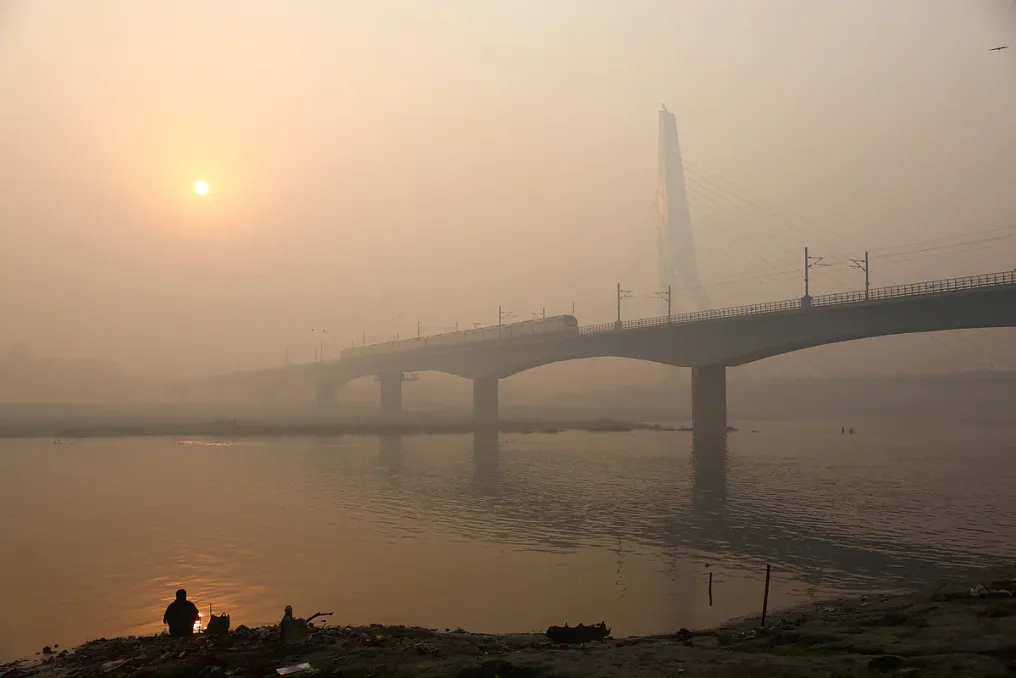
Pollution is an annual issue in many regions of northern India as winter approaches. Cold, heavy air traps emissions from transport, construction dust, and smoke from agricultural waste burning. The situation worsens in large cities like Delhi, home to 20 million people, due to the high volume of vehicles and construction activity, leading to respiratory problems for many residents.

The Swiss group IQAir has repeatedly ranked Delhi among the most polluted cities in the world during winter, based on the concentration level of toxins in the air.

On Friday, the capital recorded an Air Quality Index (AQI) of 382, according to data from the Central Pollution Control Board. An AQI up to 50 is considered a good indicator.

The Air Quality Management Commission implemented these restrictions on Friday as part of a phased action plan that requires tightening measures as pollution levels rise. Its decree also strongly recommended local authorities in Delhi and neighboring areas to consider having half of company and government employees work remotely.

The Commission noted that adverse meteorological conditions contributed to the decline in air quality, and forecasts suggest the situation could enter the 'severe' category in the coming days. Delhi Environment Minister Manjinder Singh Sirsa stated in his statement: 'Starting tomorrow, the weather will worsen, and the wind will completely stop, which will degrade the AQI.'

Residents report that the toxic air is negatively affecting their health. One resident of Delhi, Sarvesh, who gave only his first name, noted: 'The pollution makes it difficult to breathe and also causes anxiety... I also feel stinging in my eyes.'

In neighboring Pakistan, the city of Lahore also faced a surge in pollution this week; however, officials reported that air quality improved on Friday, reaching 149 after 312 recorded the day before. Senior Provincial Minister Maryam Aurangzeb said: 'The reduction in air pollution is the result of an effective strategy, constant monitoring, on-site control, as well as changes in weather conditions and wind speed.'

CM Yogi Adityanath states that technology must be linked to public good and justice at 'Techsangam 2026' event
Read more
www.aajtak.in

CM Yogi Adityanath states that technology must be linked to public good and justice at 'Techsangam 2026' event

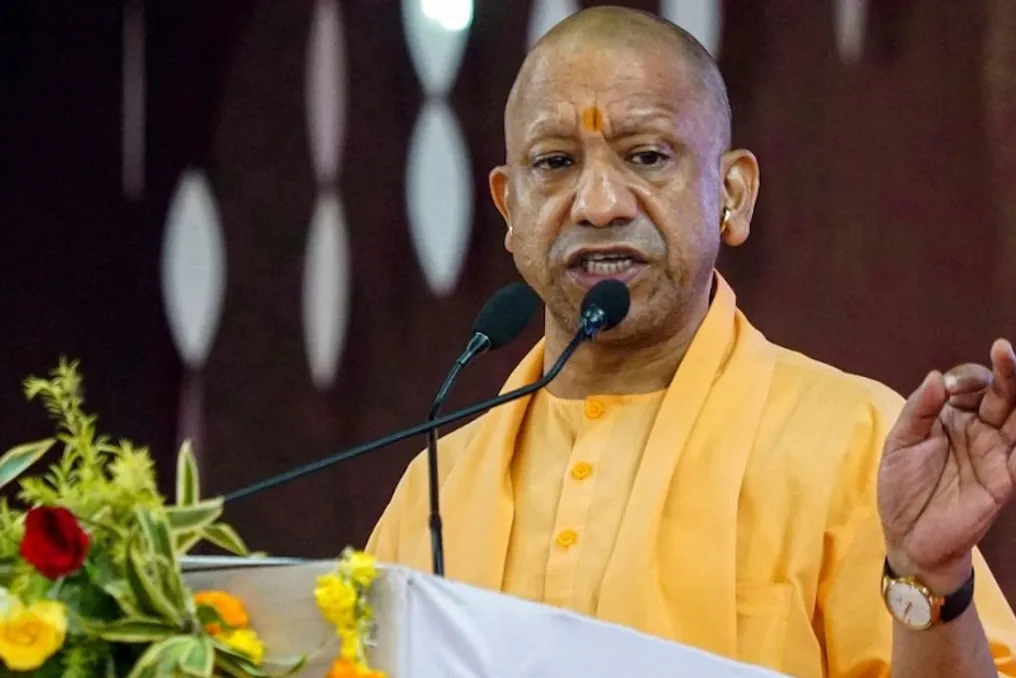
The Chief Minister of Uttar Pradesh, Yogi Adityanath, highlighted the features of the 'Techsangam 2026' event and changes in the state's work culture via the social network 'X'. He emphasized that in the current era, it is crucial to connect new technological opportunities with public interests, impartial justice, and a bright future for the youth.

The Minister wrote on his 'X' account that he will participate in 'Techsangam 2026', which is being held at the Uttar Pradesh State Forensic Science Institute (UPSIFS) in Lucknow. This event, focused on emerging fields such as AI, cyber forensics, quantum technologies, and data protection, represents an important opportunity to link technological innovations with citizen safety, an effective justice system, and digital trust.

The Minister described this event as a reflection of the changing work culture of Uttar Pradesh. He noted that before 2017, the state, which has the largest population in the country, only had two cyber cells and four forensic laboratories. Due to underutilization of scientific and technical potential, and lack of scientific evidence, criminals could evade punishment, and the conviction rate was less than 30 percent.

Adityanath stated that after 2017, the state government, operating on a 'dual engine' principle, took steps to rectify this situation. Today, cyber cells function in all 75 districts of the state, and efforts are underway to establish forensic laboratories in every division. The expansion of technical resources and scientific verification capabilities has strengthened the process of holding criminals accountable and combating new challenges like cybercrime, leading to an increase in the percentage of convictions.

The Minister added that in growing fields such as forensic science and cybersecurity, new opportunities are being created for quality education, research, and employment for the state's youth. Technology today serves as a means to ensure effective justice and guide the future of the youth.

He also wrote that this event will bring together scientists, technical experts, policy developers, lawyers, and industry representatives from various countries. It will open new horizons for collaboration between science, education, and industry through substantive discussions on cybersecurity, the reliability of digital evidence, and the responsible use of new technologies. This forum will play a vital role in steering the creation of a self-reliant India in developing technologies and making citizens' lives safer and more convenient through these technologies, thereby giving new impetus to the goal of a developed India based on the strength of Self-Reliant India.

Popular